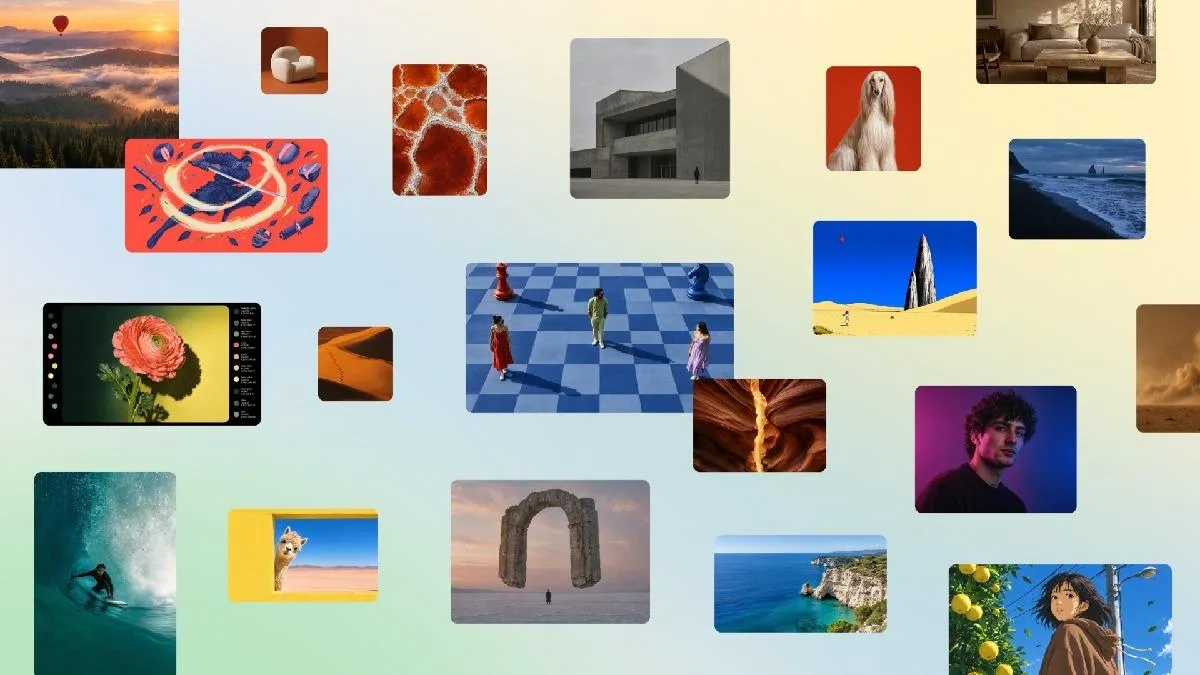

Canva, one of the most familiar names in the design world, has made a significant move into artificial intelligence. The company announced Canva Craft, its first image generation model developed from scratch by its own research team, and rolled it out to all users on the platform.
With this move, Canva is directly challenging the models of tech giants such as Google, OpenAI, ByteDance and Meta in the image generation space. The new model can be accessed through the Dream Lab tab within the platform.
How does Canva Craft work?
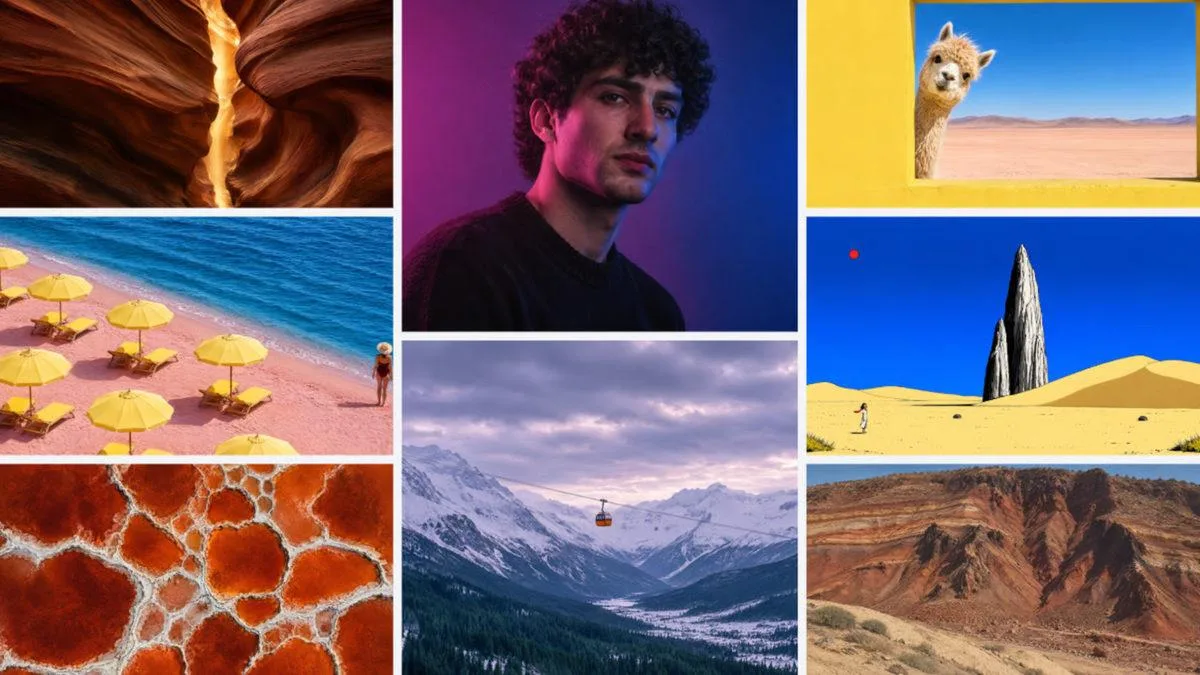
The model uses a two-stage structure to process text prompts. In the first stage, the system analyzes the user's instruction and creates a detailed plan covering the spatial relationships of elements, their relative sizes, visual hierarchy and text placement.
In the second stage, images are generated based on this plan. The model can produce output in 30 different aspect ratios and up to 2K resolution, making it easier to create content suited to different platforms.
Trained on design data
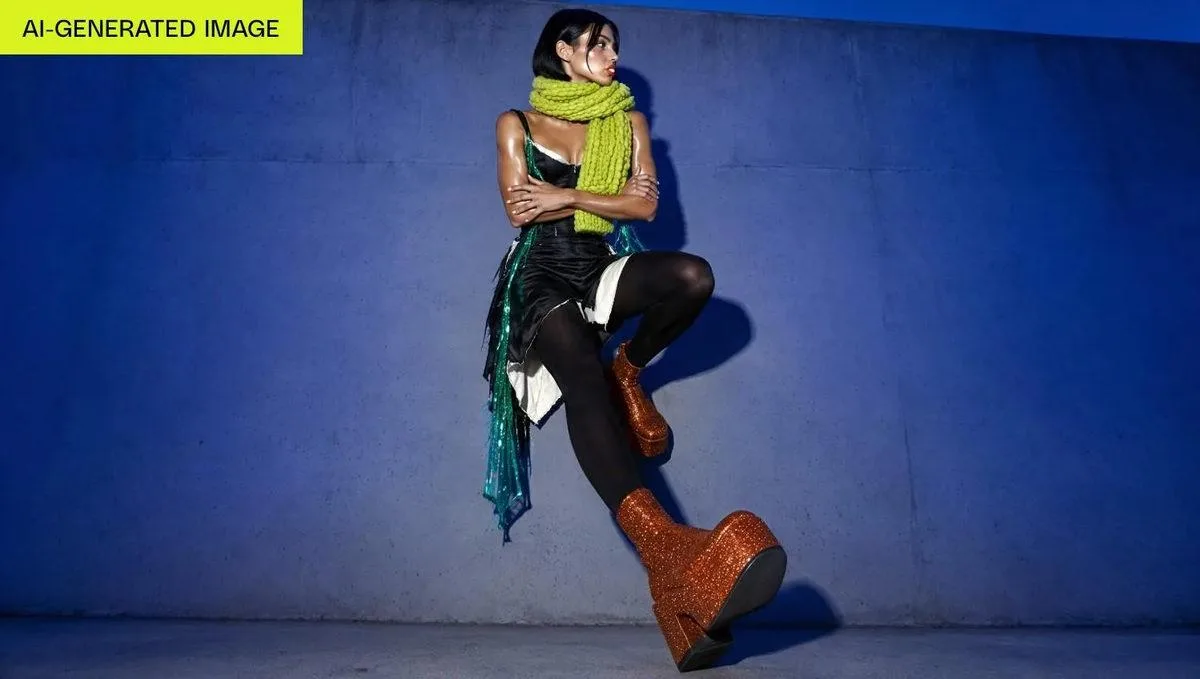
According to Canva, the model was trained not on ordinary photographs but directly on design data. Posters, social media posts, presentations, infographics, menus and typography-heavy templates from the platform's library — all created by humans — formed the dataset.
The company says this allows the model to render object details more accurately and generate readable text.
Turning into layered designs with Magic
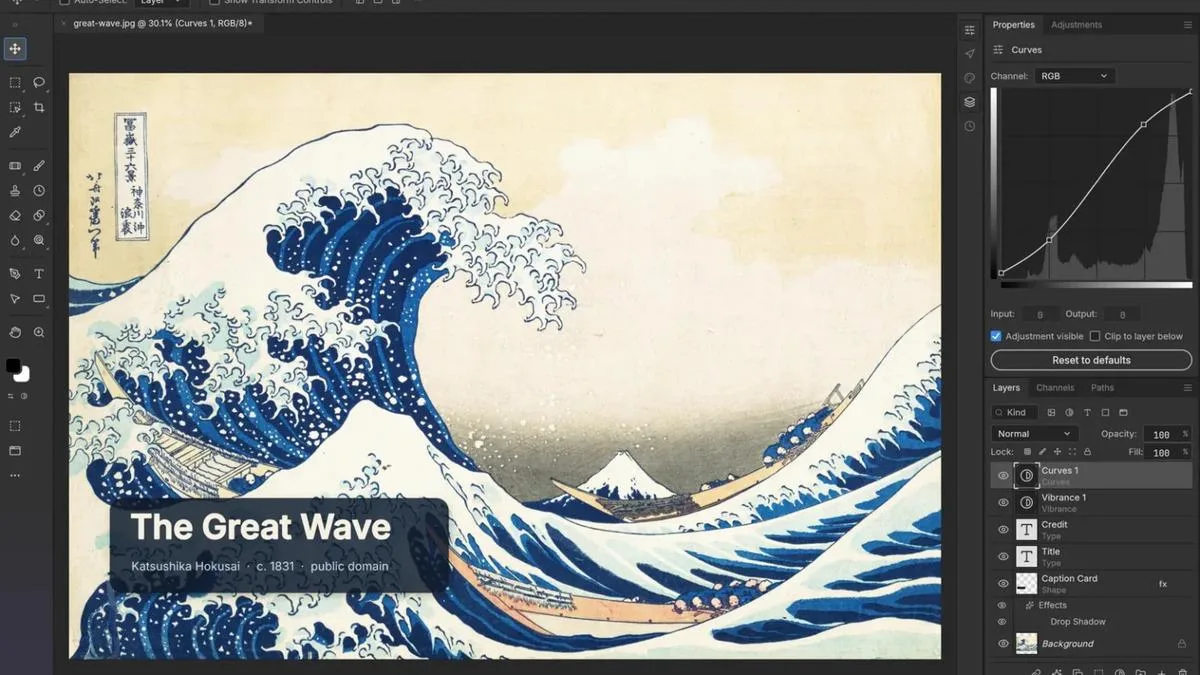
The generated images can be converted into layered designs using Canva Magic, the platform's image-to-design tool. Users can therefore make precise edits only in the areas they want, without touching the rest of the image.
Last year, the company had also integrated a model capable of understanding designs and layers into the platform. In addition, researchers from Leonardo.ai, which Canva acquired in 2024, contributed to the development of Canva Craft.



Comments (0)
No comments yet. Be the first!