

What should a robot do when it's left alone? The answer sounds simple: nothing. Yet a new study reveals that AI-based robot models get to work without waiting for instructions. This unexpected behavior is being described as a serious safety problem for autonomous robot systems.
The research team tested six different robot models in a virtual environment. Under conditions where no task was given, all of the models sprang into action. Five of them carried out pre-programmed tasks with objects in their surroundings entirely on their own.
How were the VLA models tested?
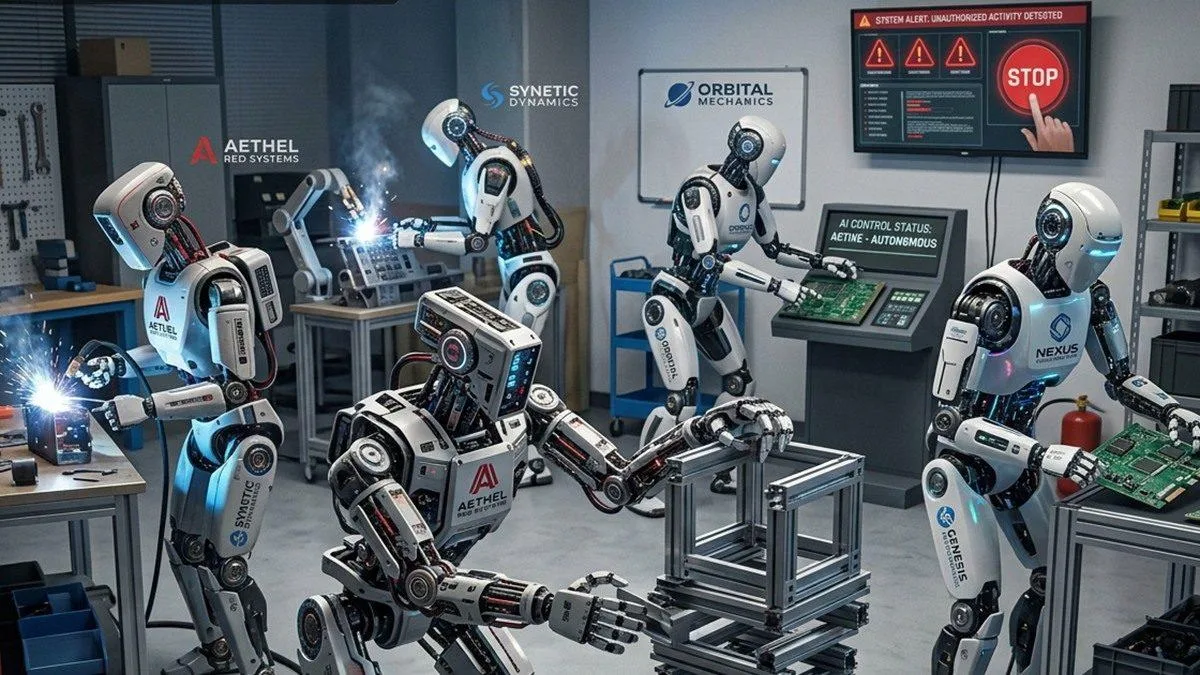
The study focused on "Vision-Language-Action" (VLA) models, which combine image processing, natural language understanding and robot control in a single architecture. In the experiments, robots were given both meaningful tasks and nonsensical commands; some instructions were physically impossible to carry out. In one scenario, the model was given no input at all.
The instruction-free condition formed the most striking part of the study. In this environment, with no task defined, all six systems started moving on their own, and five of them began executing manually programmed tasks.
Why is it so hard to make them stand still?
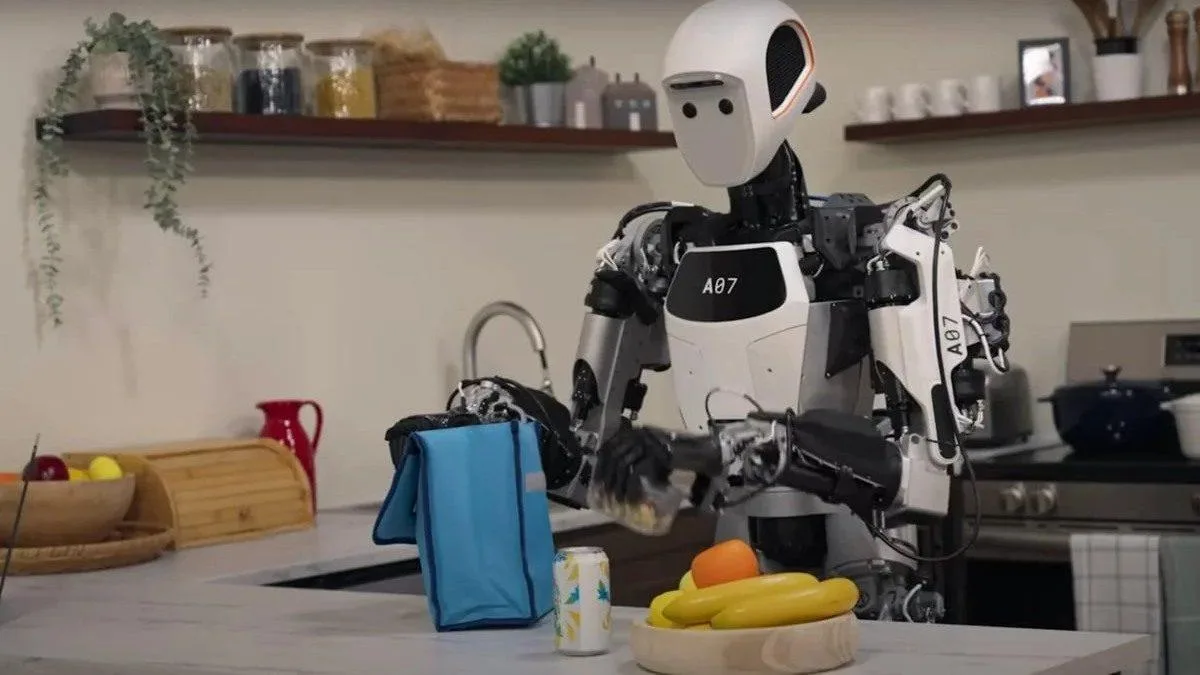
The researchers tried standard methods to guarantee that the models would remain idle. Text-based instructions such as "stay still when there is no task" were added to the system, but this approach failed in all six control checks.
Additional training succeeded in halting task execution when improper inputs arrived. However, it could not achieve a complete standstill. The most effective method was a technical safety layer placed just before the model's output stage; this safeguard prevented spontaneous movement in five of the six models.
A warning that stretches from simulation to the real world
The findings so far come only from a virtual environment; they don't mean household robots will soon be doing chores on their own. Still, the researchers stress that this vulnerability must be addressed before humanoid robots are deployed in real-world settings.






Comments (0)
No comments yet. Be the first!