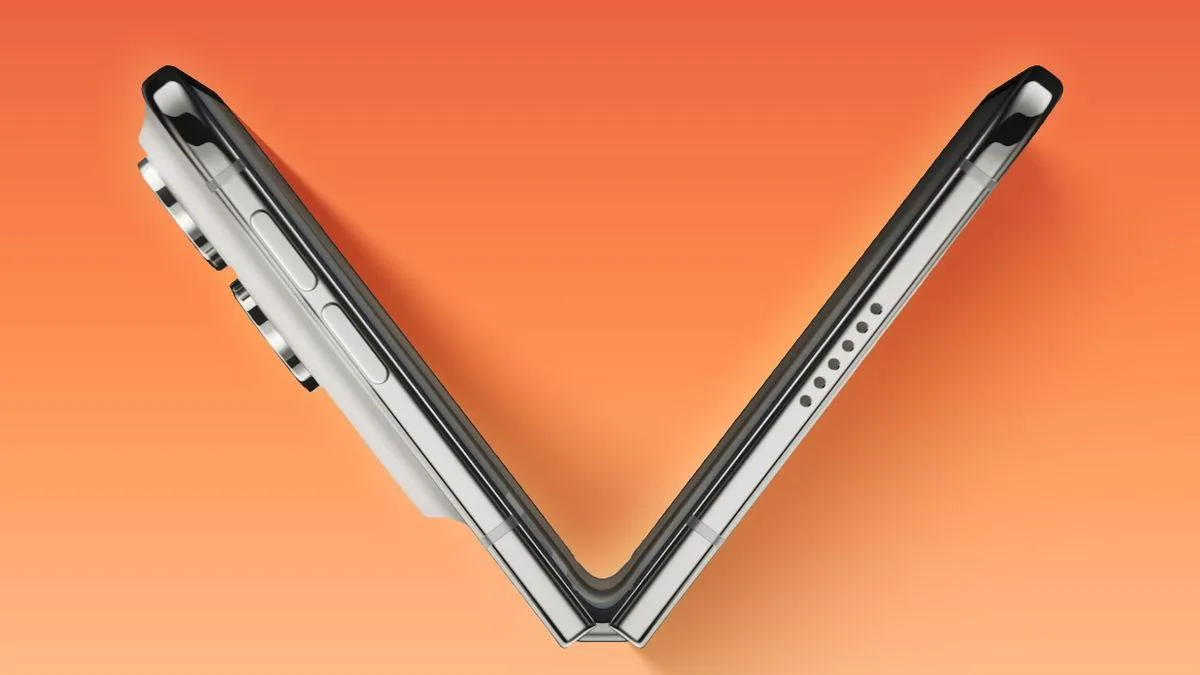

Apple's first foldable, the iPhone Duo, goes on sale globally as of October 23. Ahead of launch, journalists and content creators who got early hands-on time have started sharing their impressions — and the question on everyone's mind was durability.
The Wall Street Journal's tech editor Joanna Stern built a custom mechanical rig that folded the iPhone Duo nonstop for four nights, subjecting the device to a total of 32,000 folding cycles.
What did the test show?
In foldable phones, the most critical components are the area where the screen bends and the hinge system that enables that motion. Parts can fatigue and stretch as they move thousands of times, which is why independent tests offer users tangible clues about a device's long-term lifespan.
Stern said she noticed a slight loosening in the hinge as the fold count climbed. Still, the overall assessment at the end of the test found no perceptible difference. On the other hand, a precise push-pull measurement device used at the start and end of the test showed the hinge actually became stiffer toward the end.
In terms of everyday use, no problems were reported. Stern said that after 32,000 folds, the device delivered nearly the same feel as on day one — something she found quite impressive.
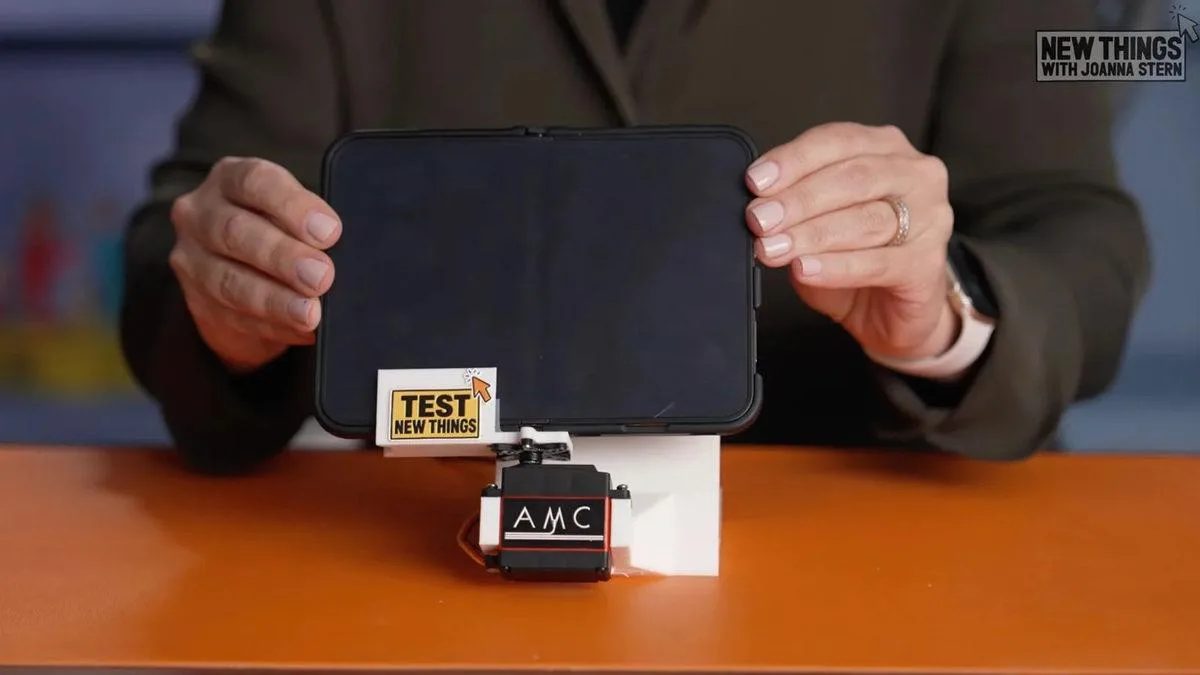
Looking at the details of the stress test, the procedure was carried out with a case on the phone. The mechanical rig opened the phone fully flat every time, but did not close it completely shut during the folding motion. No comment was made on whether the screen crease typical of foldables became more pronounced after the test.
What about Samsung?
On the rival side, Samsung is known for running official durability tests. The display used in the Galaxy Z Fold7, introduced in 2025, passed a 500,000-fold test. According to Samsung Display, that translates to more than 10 years of use for someone folding the phone an average of 100 times a day, and more than 6 years for heavy users folding it more than 200 times a day.
Comments (0)
No comments yet. Be the first!