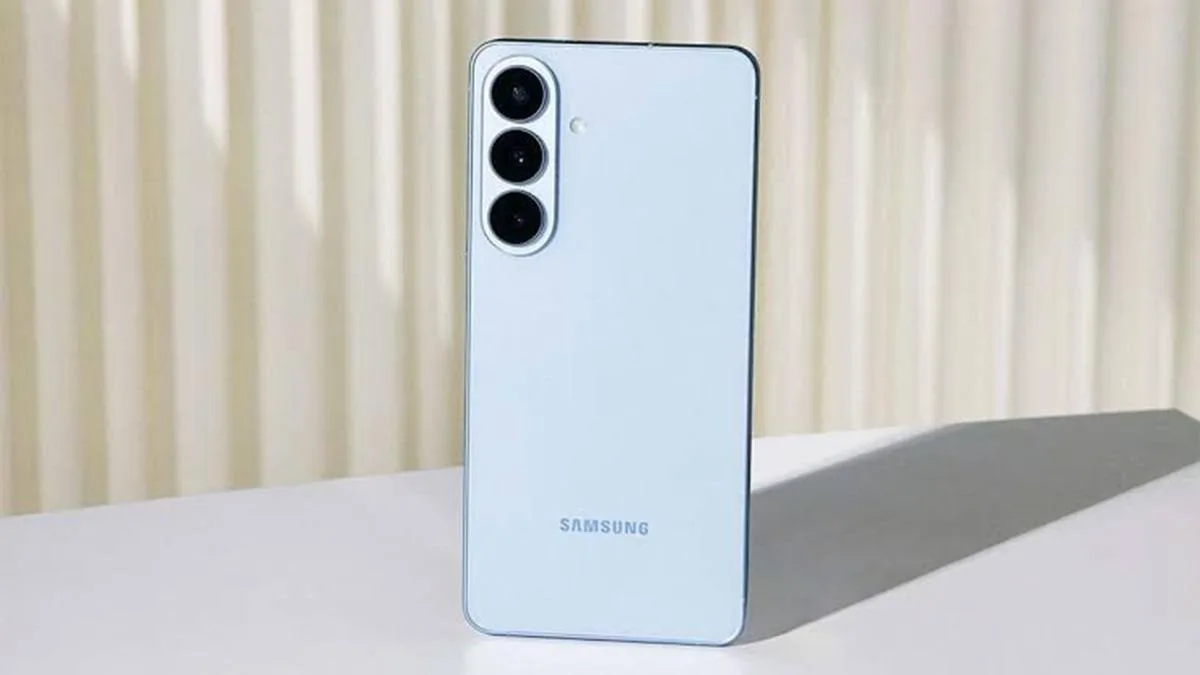

Samsung has long struggled with a perception problem: its in-house Exynos chips have consistently been seen as lagging behind the Snapdragon variants in its flagship phones. Now the company is trying to change that narrative, and it's doing so with the most extensive internal collaboration in its history, centered on the Galaxy S27 Pro.
The move brings together two divisions that have traditionally operated in silos: the Mobile Experience (MX) unit, responsible for phone manufacturing, and the System LSI department, which designs the company's chips. For the first time, they are sitting at the same table at this level of intensity, with the goal of unlocking the Exynos 2700's full potential.
A joint fix for overheating and compatibility issues

In the past, the two teams worked independently, which meant problems like overheating, aggressive power management and software incompatibilities that surfaced late were often only addressed shortly before a device's launch.
Under the new approach, the teams are following a shared validation protocol that tests the Exynos 2700 directly alongside the One UI interface while the chip is still in development. Thanks to advanced test prototypes, efficiency issues are being resolved at the software kernel level, allowing the chip's theoretical power to be fully realized before the final hardware lock is applied.
The stated aim of this intensive optimization process is to close the Exynos-versus-Snapdragon performance gap that users have been complaining about for years.
A strategic change of course
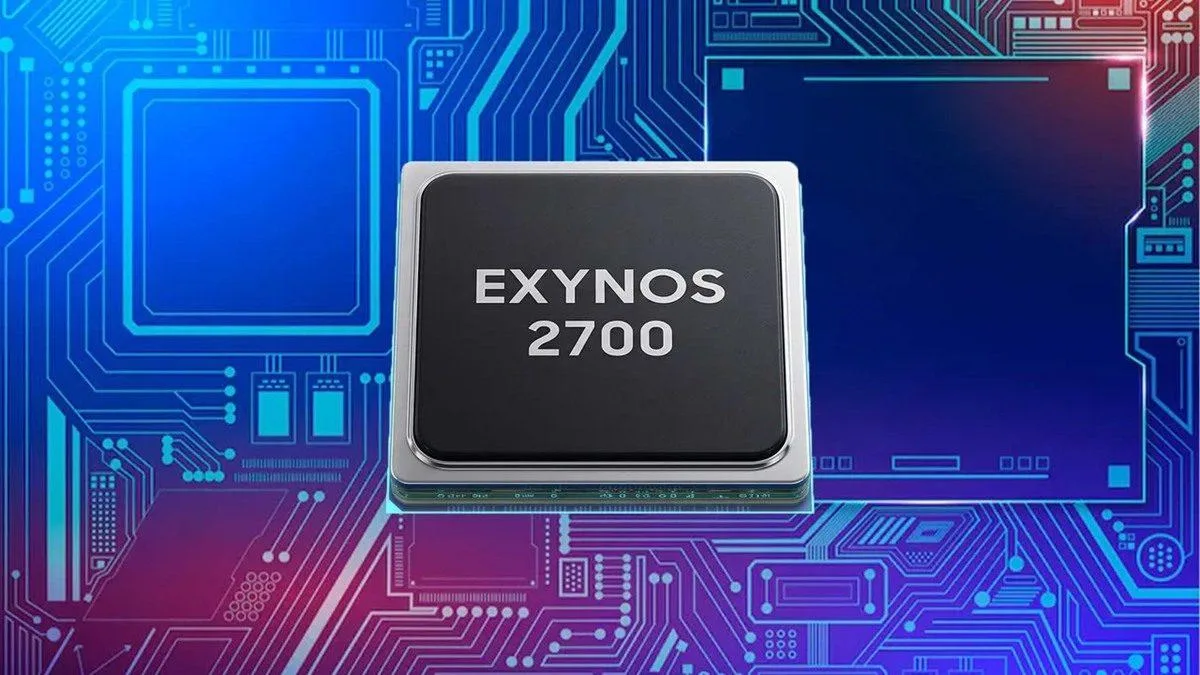
While the Galaxy S27 Ultra will still sit at the top of the series' hardware hierarchy, Samsung's decision to place the S27 Pro at the center of this hardware-software synergy signals a notable tactical pivot. The era in which the company used its own processors in some markets purely for cost advantages appears to be coming to an end.
The engineering partnership is designed to deliver significantly better performance per watt for the Galaxy S27 Pro, both in everyday use and under heavy load. How this integrated production pipeline will carry over to the Ultra model in global markets remains unclear for now. Even so, Samsung is making it plain that it intends to put its semiconductor strength at the very heart of its mobile ecosystem.






Comments (0)
No comments yet. Be the first!