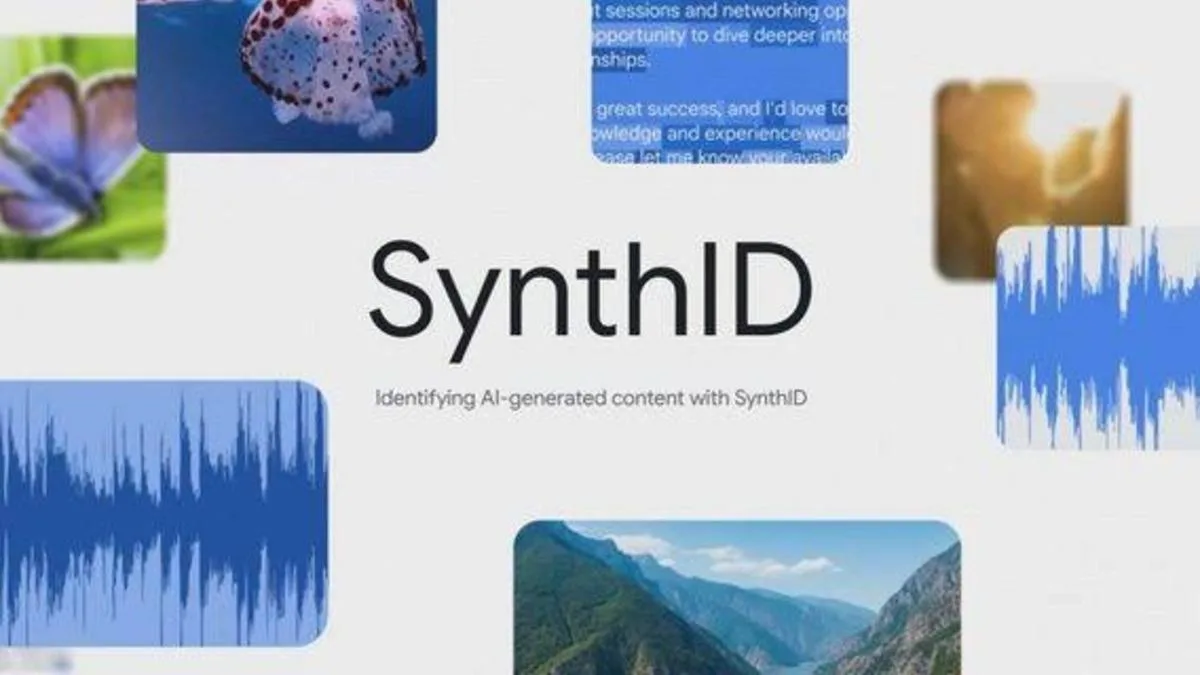

Telling whether a piece of online content was made by AI gets harder by the day. Google has now opened its SynthID detector to all users. The tool can identify images, videos and audio files stamped with SynthID.
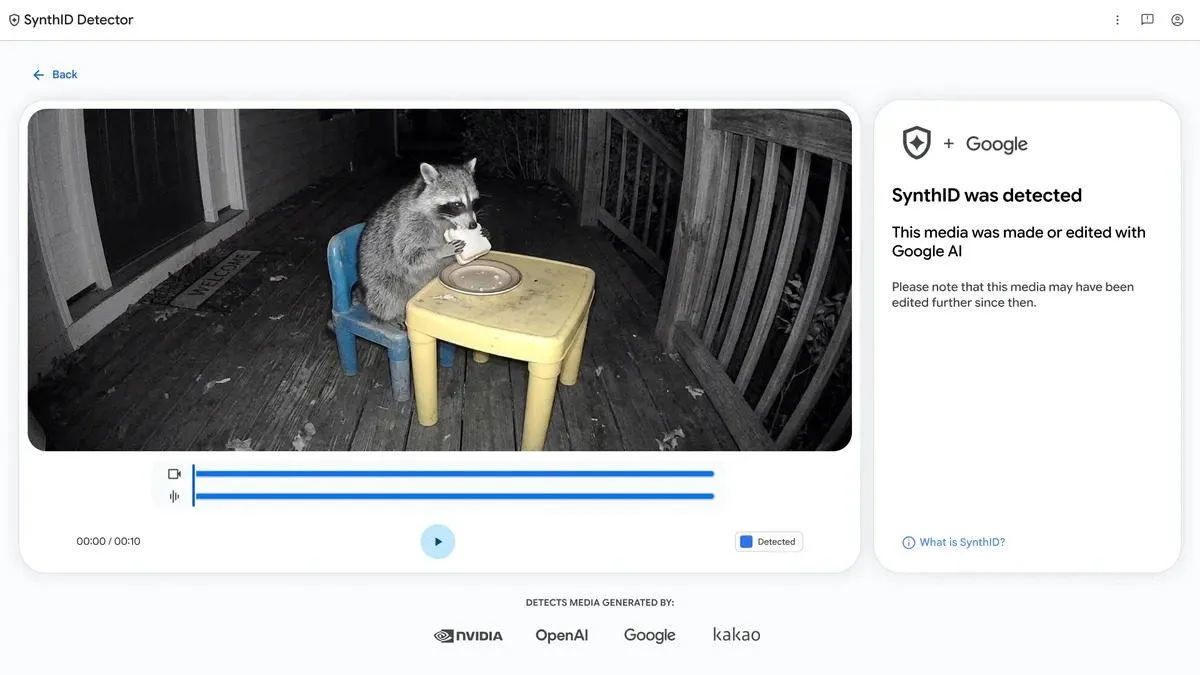
Previously available only to select journalists and researchers, the detector is now accessible worldwide with English language support. Under its C2PA membership, Google can also verify content produced by models from companies like OpenAI, NVIDIA and Kakao that was watermarked with SynthID.
Which file formats are supported?
The detector analyzes JPG, PNG, WEBP and GIF images, MP4 videos, and MP3, WAV and FLAC audio files. When a user uploads a file, the system searches for the hidden SynthID watermark. This watermark isn't a visible mark — it's embedded in the file's structure.
The tool can't catch everything
SynthID detector shouldn't be seen as a general-purpose AI detection tool. It can only identify content watermarked with SynthID technology.
Content generated by a different system, or with no watermark at all, can't be caught by the tool. It also can't distinguish between a file created entirely by AI and one that only received minor AI edits.
The numbers are striking
Since announcing the technology in 2023, Google has watermarked more than 180 billion images and videos with its invisible watermark. On the audio side, the equivalent of 240,000 years of content has reportedly been stamped with SynthID.
The detector currently processes more than 1 million verification requests per day. Apple is also expected to add SynthID support soon.






Comments (0)
No comments yet. Be the first!