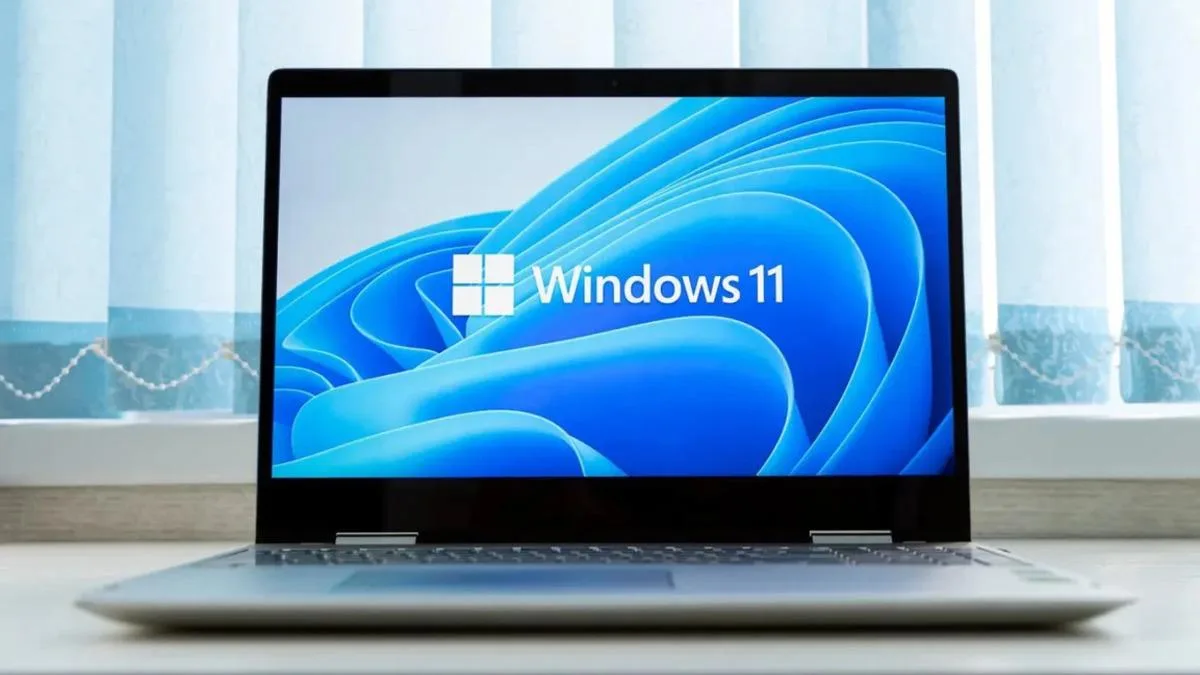

Microsoft is preparing changes that should make Windows 11 noticeably easier on computers with limited memory. The tweaks the company is working on are aimed at using RAM more efficiently and cutting waiting times in everyday tasks, with response times in some operations expected to improve by up to 20 percent.
Widgets will stop hogging memory in the background
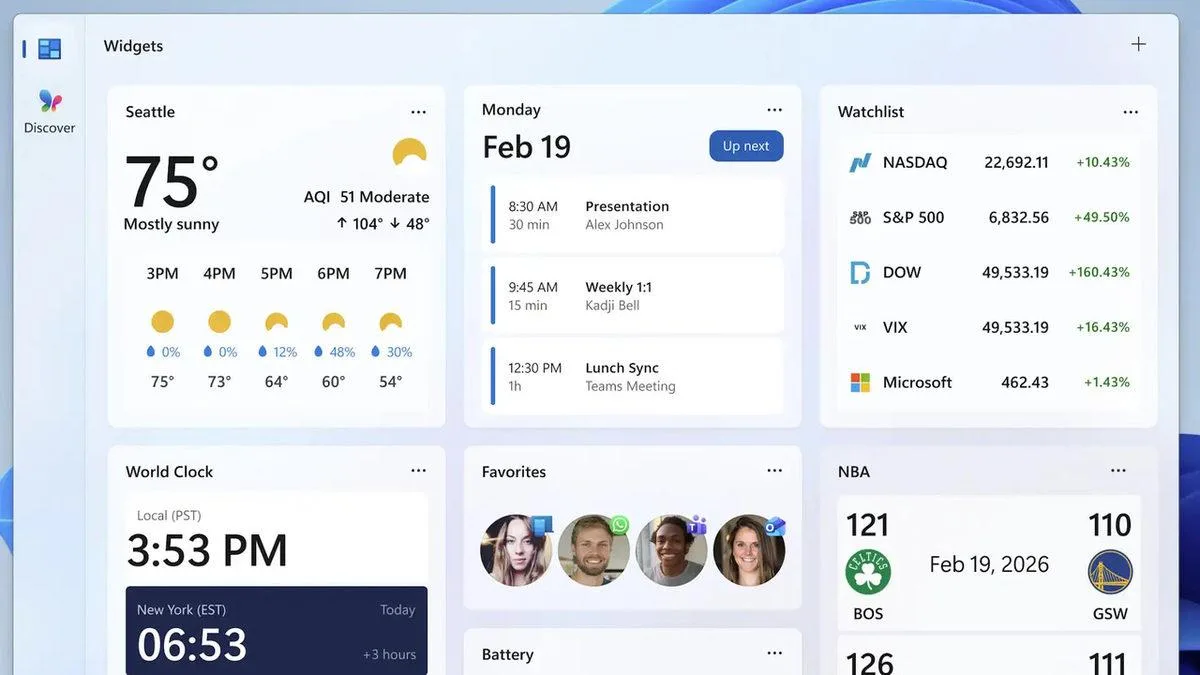
On systems with 8 GB of RAM or less, Widgets will only load when the user actually opens the panel. Ending their constant background activity means more than 200 MB of memory stays free for everything else.
Another pillar of the memory work is keeping active data in RAM. According to Microsoft, Windows 11 will in some cases hold up to 2 GB more information in memory rather than pushing it out to slower storage. People who jump between apps and run several tasks at once are expected to benefit the most.
Faster launches with Low Latency Profile
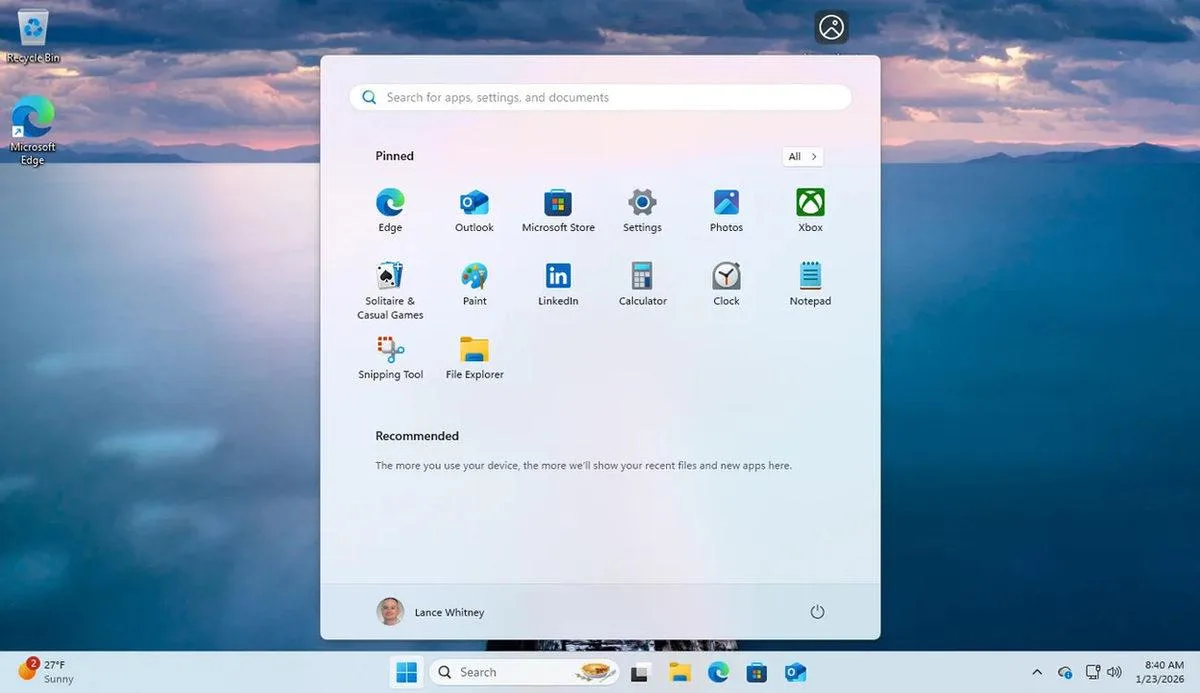
One of the new features, Low Latency Profile, briefly runs the processor at higher frequencies the moment an application or system menu is opened. That way the system can respond right away instead of waiting for the core to ramp up its clock speed.
In Microsoft's own testing, launch times for Microsoft Edge and Outlook improved by up to 40 percent, while interface elements such as the Start menu and the right-click context menu saw gains of up to 70 percent.
Keep expectations in check
The group that will feel the difference most clearly is machines with tight memory budgets or those that stutter during daily use. Even so, the memory freed up does not mean every application will get faster at the same rate, and the measured response-time improvements do not translate one-to-one into overall device performance.
Microsoft's approach is about getting more out of the computer you already own rather than buying new hardware. The actual outcome, however, will depend on the specifics of each machine and which of these changes make it to a given device.





Comments (0)
No comments yet. Be the first!