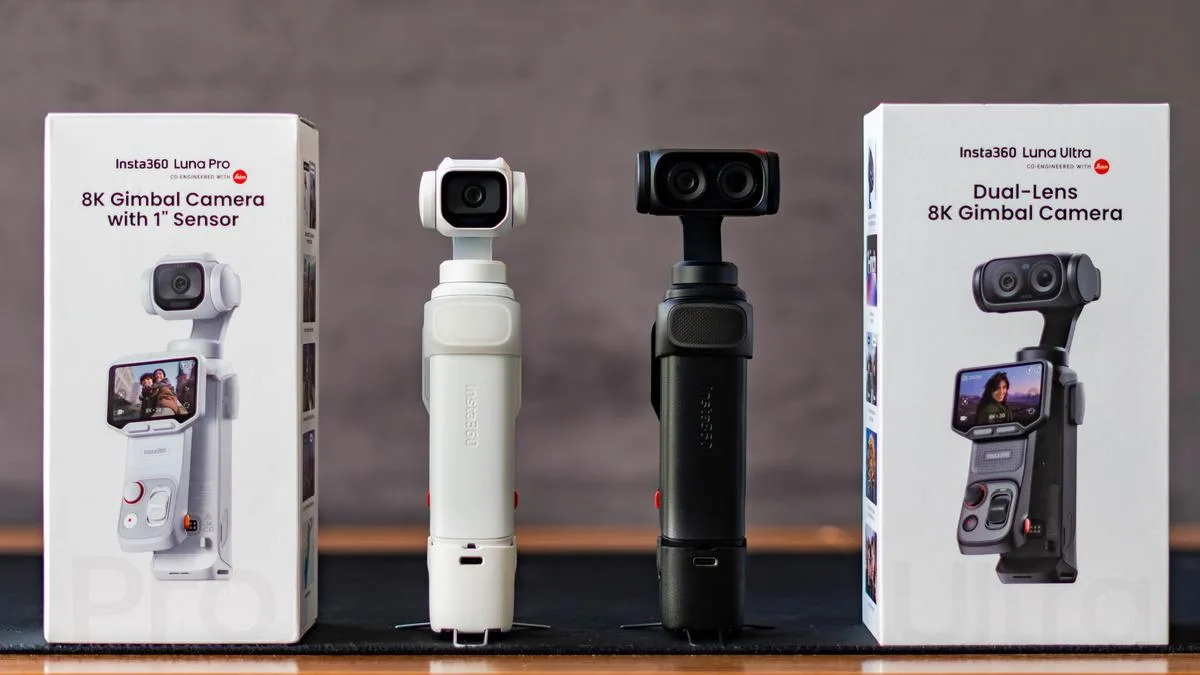

Content creation is moving faster than ever, but getting professional-looking footage can still be a hassle. With the Leica co-developed Luna Pro and Luna Ultra, Insta360 promises a production kit that fits in your pocket. Are the differences between the two cameras worth the price gap?
Both models offer a 1-inch 8K sensor, AI-powered subject tracking, 10-bit I-Log color profiles and a detachable OLED touchscreen. In other words, both target not just vloggers but videographers tackling serious projects. The real split comes down to lens setup, processing power and price.
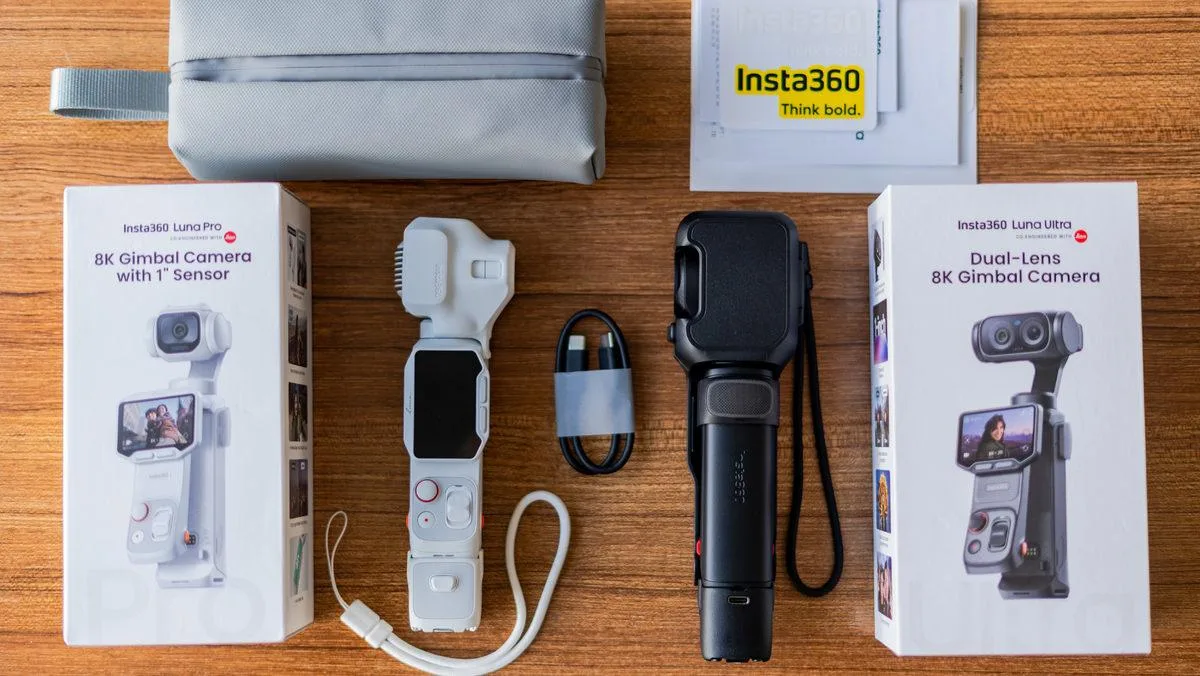
What's in the Box
In the standard packages, both cameras are ready to shoot straight out of the box. Contents include:
- Camera
- Protective case
- Wrist strap
- Charging cable and basic documentation
Professional accessories such as an ND filter set, wide-angle lens, battery grip and windscreen are available via Creator Bundle options or sold separately.
Design and Ergonomics
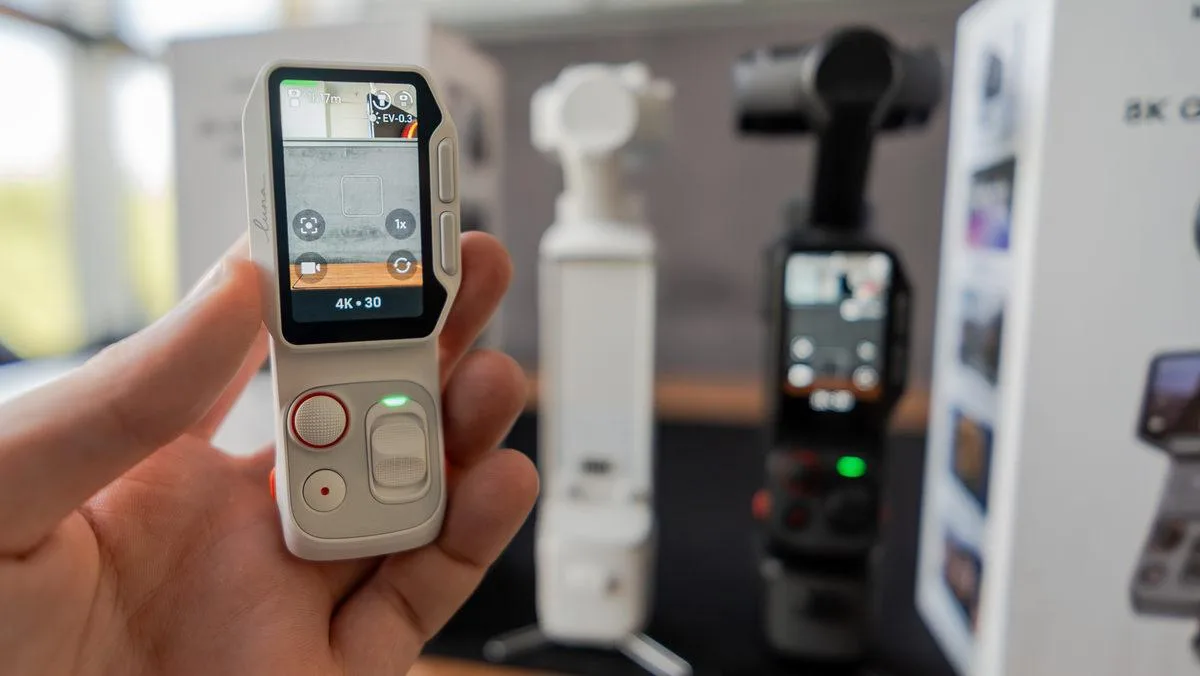
The Luna Pro weighs about 215 grams, the Luna Ultra 233 grams. Both are compact and come in "Cosmic Black" and "Stellar White" color options. The real ergonomic innovation is the detachable 2-inch OLED touchscreen: you can mount the camera and hold the screen in your hand to frame shots, eliminating the blind-shooting struggle in tight spaces.
With physically gimballed cameras, durability is a fair concern. The mechanical parts are delicate, but as long as the camera is on and left alone externally, no chronic issues have surfaced so far in the Luna Series gimbal system.
Why a Camera Instead of a Phone?
Even the best phones have handicaps in constant run-and-gun vlogging.
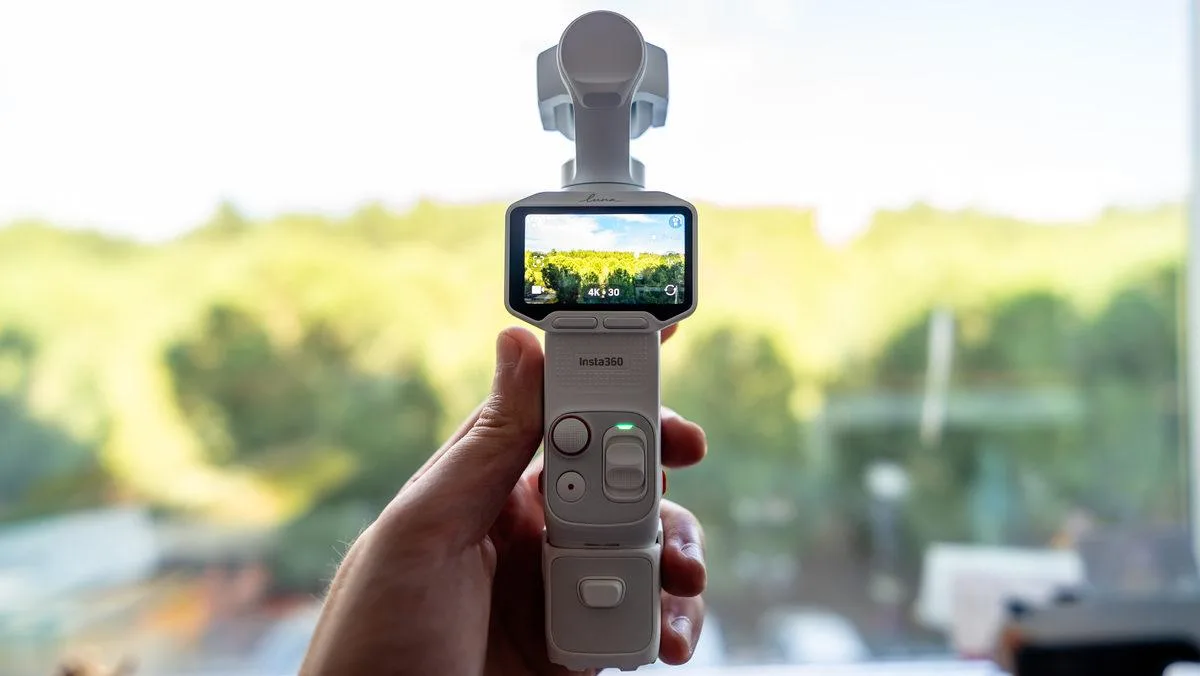
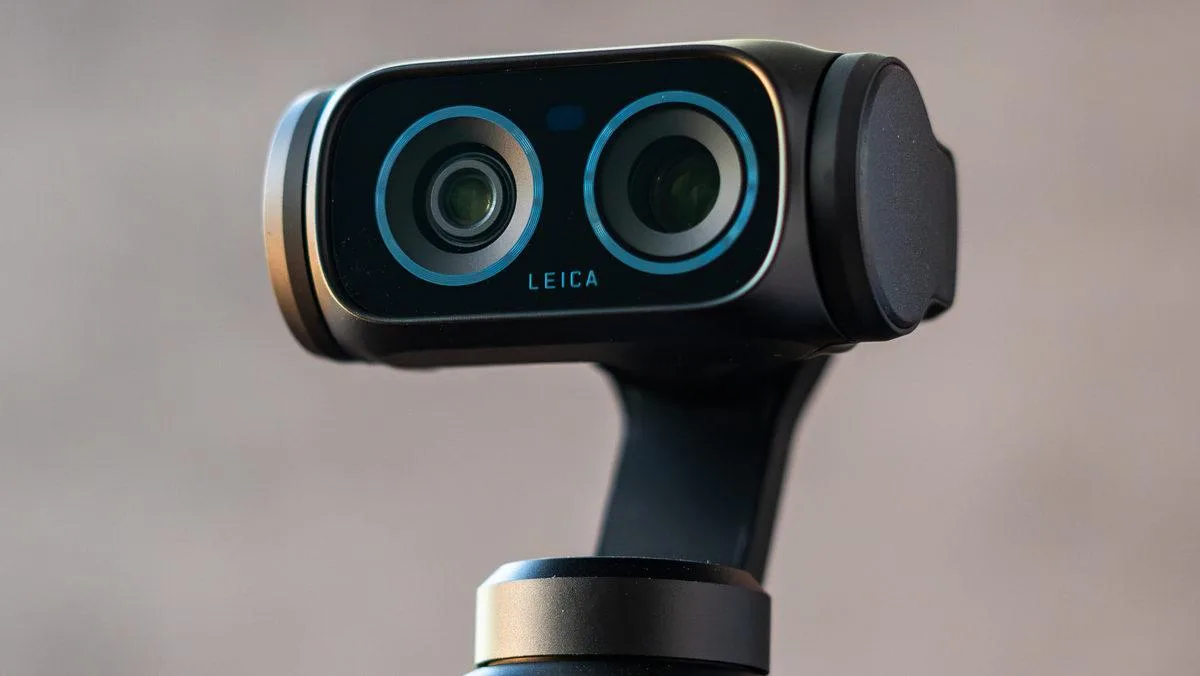
- Optical advantage: Leica Summicron lenses and a 1-inch sensor produce bokeh physically, rather than digitally faking it like phones do.
- Hardware gimbal: Electronic stabilization crops the frame and jitters in low light. A 3-axis gimbal delivers cinematic moves even while walking or running.
- Ergonomics: A dedicated device with a detachable screen, ready to shoot instead of splitting your attention with notifications, is far more practical. 47GB of built-in storage is a safety net for emergencies, plus you can add a memory card of any capacity you like.
Single Lens or Dual Lens?
Both models offer 8K 30fps Dolby Vision and 4K 120fps slow motion. Here's where they diverge:
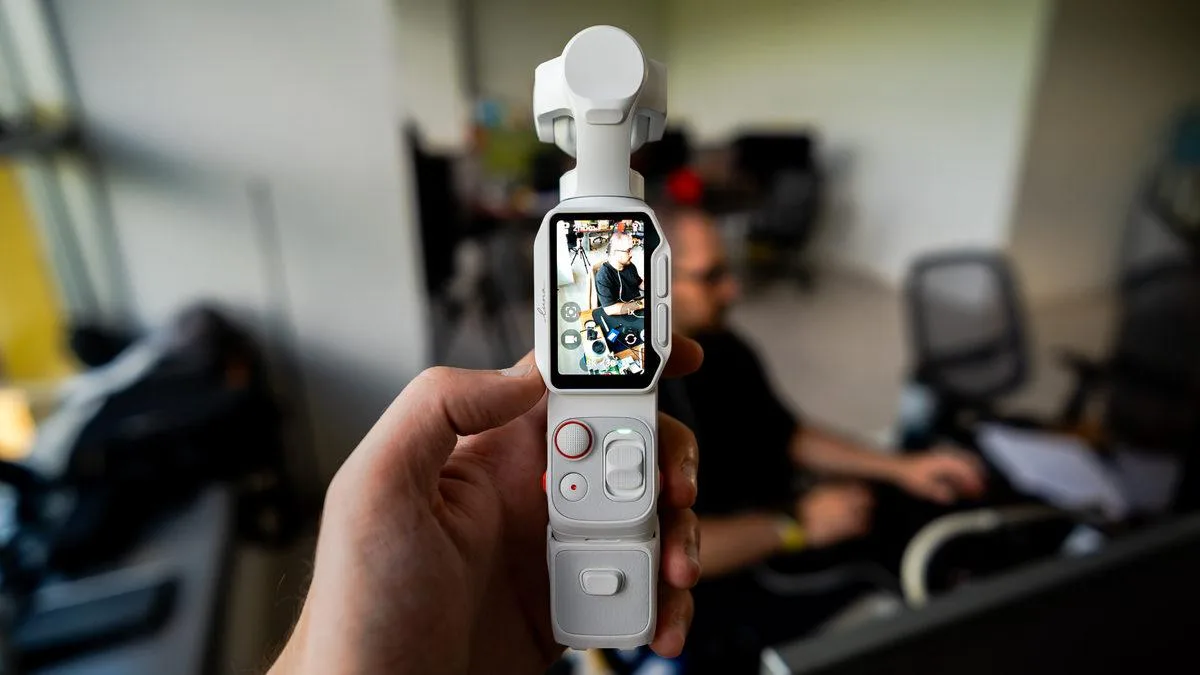
Luna Pro (single lens): A single Leica lens with a 1-inch 8K sensor. It delivers sharp footage at 4K 30fps via 6K oversampling, and 2x lossless zoom is enough for everyday scenarios.
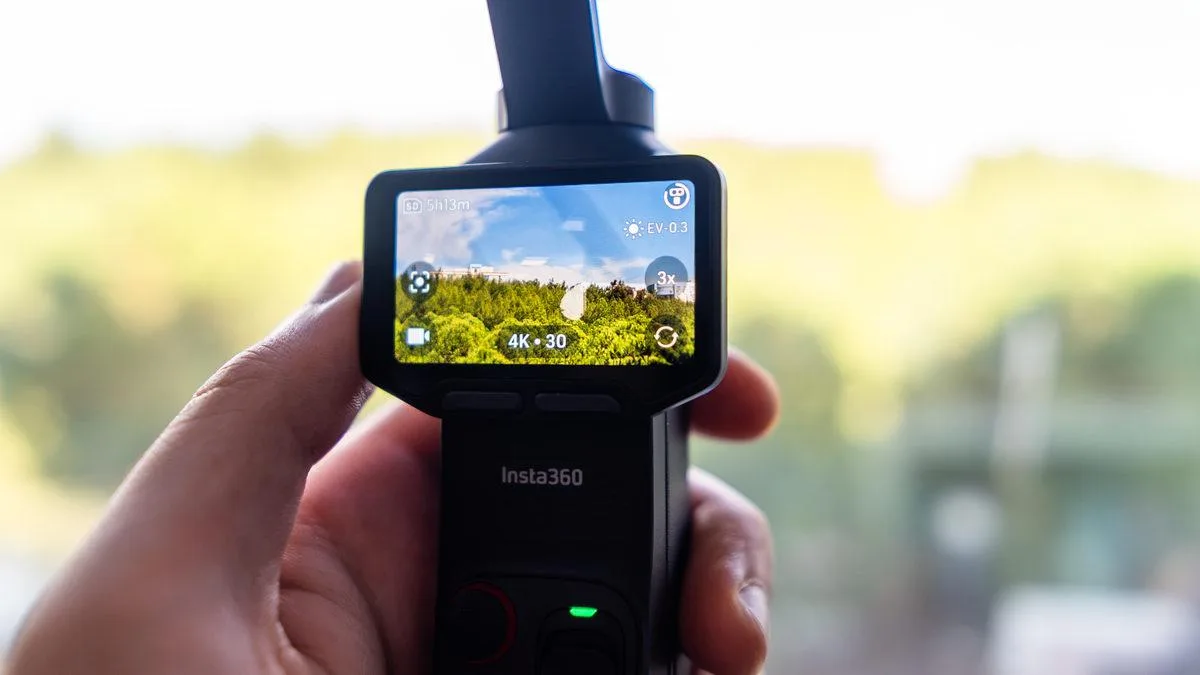
Luna Ultra (dual lens): A Pro-Grade Telephoto Lens joins the main lens. Zoom reaches 15x, extending to 22.5x with the teleconverter add-on. That's a clear advantage for interviews, portraits, concert footage and long-distance focus tracking. Being able to switch quickly between wide-angle b-roll and optical telephoto adds real flexibility.
AI Chips and Shooting Tools
The Luna Pro packs a "Dual AI Chip"; the Luna Ultra a "Triple AI Chip" made up of two dedicated image-processing chips and a 4nm flagship processor.
- Deep Track 5.0 and Rapid Focus: Even as you move, the camera keeps the subject framed and in focus; for solo shooters it works like a camera operator.
- PureVideo Mode: Reduces noise in low light and brings out detail, supported up to 4K 60fps. The Ultra's extra chip gives it the edge in night performance.
Connectivity and Transfer
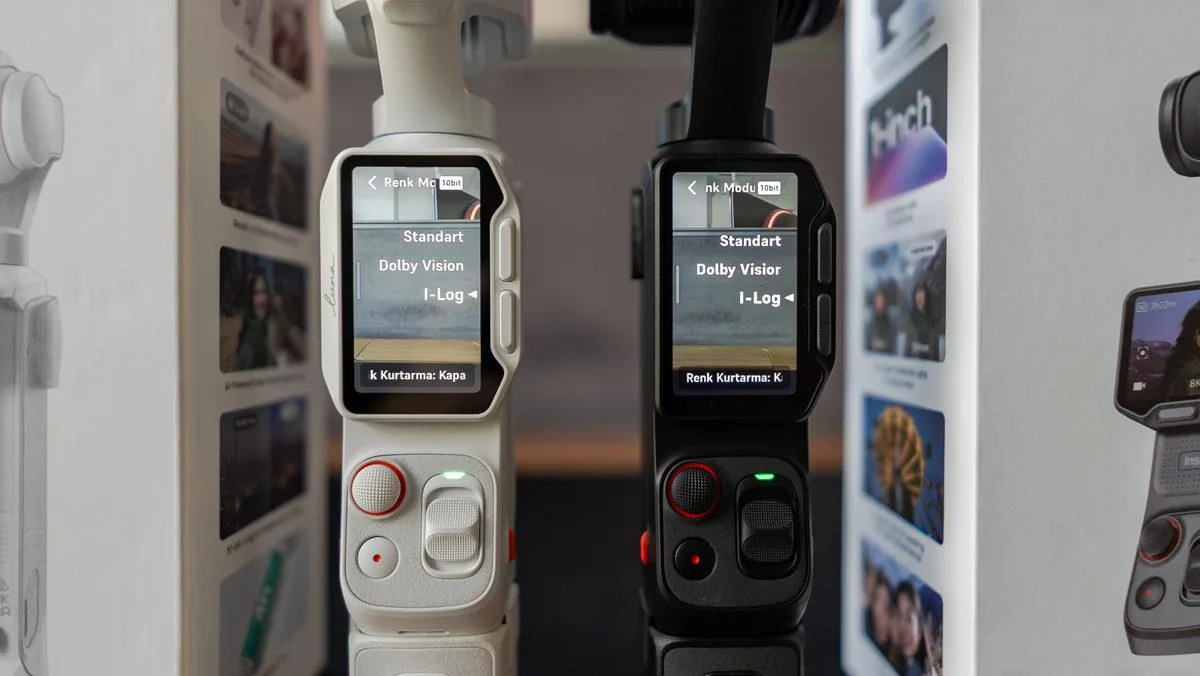
Both cameras shoot 10-bit I-Log and support ACES color workflows — ideal for anyone grading in Premiere Pro or Final Cut Pro. Built-in Timecode kills the sync headache in multi-camera editing.
You can pair by simply tapping your phone via NFC, with fast transfer over Wi-Fi. Direct wireless connection to Insta360 Mic Pro and Mic Air systems removes the hassle of extra receivers.
Battery and Heat
The main body carries a 1550mAh battery, the detachable screen 210mAh. According to the company, you get up to 4 hours at 1080p 24fps with the screen off. Runtime drops when shooting 8K or 4K 10-bit H.265, but 15W fast charging hits 80% in 23 minutes. Warming during 4K recording is normal; in extended tests the thermal design managed heat without ever approaching shutdown levels.
Which One Is for Whom?
At current market conditions in Turkey, the Luna Ultra sits in the roughly 37.000 TL – 43.000 TL range, while the Luna Pro is expected to land in the 33.000 TL – 35.000 TL range.
Luna Pro: The price/performance pick for users making travel and lifestyle vlogs who say "one lens is enough." With 4K vertical video, 10-bit log recording and stabilization, it covers a creator's core needs.
Luna Ultra: Worth the price difference for professionals who need optical telephoto bokeh and instant access to different focal distances. The triple AI chip's low-light performance and dual-lens flexibility position the Ultra as a professional B-camera — and, depending on the scenario, even an A-camera.
Comments (0)
No comments yet. Be the first!