
You turn the key or press the start button. Every warning light on the dashboard comes on exactly as it should — yet the engine refuses to fire, no matter how many times you try. It's one of the most common breakdown scenarios drivers face.
Most people blame the battery first. But an engine needs more than electricity to run: fuel, air and correct ignition all have to work at the same time. When a single link in that chain breaks, the car can leave you stranded.
Here are the most common reasons a car won't start — or struggles to — and the symptoms worth watching for.
A weak battery may not turn the engine over
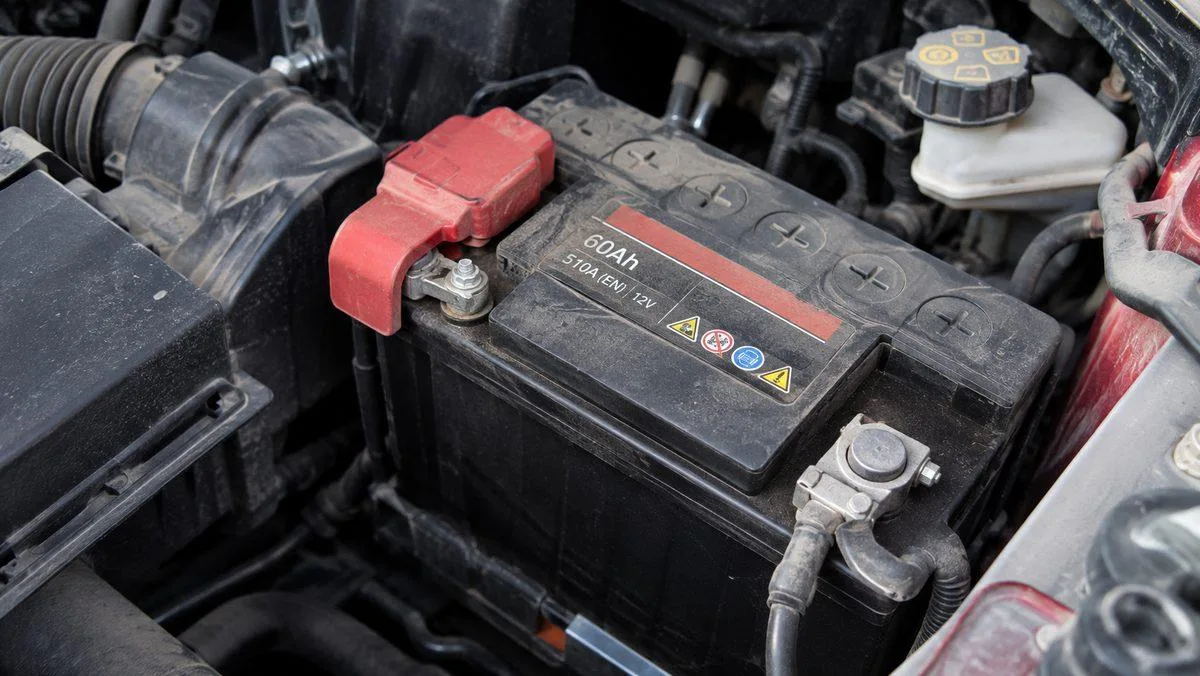
The most frequent cause is a battery that can no longer supply enough energy to crank the engine. Because the battery powers the starter motor, a weak one can leave the engine without its initial turn.
The telltale signs: dashboard lights that glow unusually dim, rapid clicking sounds when you try to start, or no response at all. Leaving the headlights on, the car sitting unused for a long stretch, and a battery simply reaching the end of its life are the main culprits.
Loose or corroded battery terminals
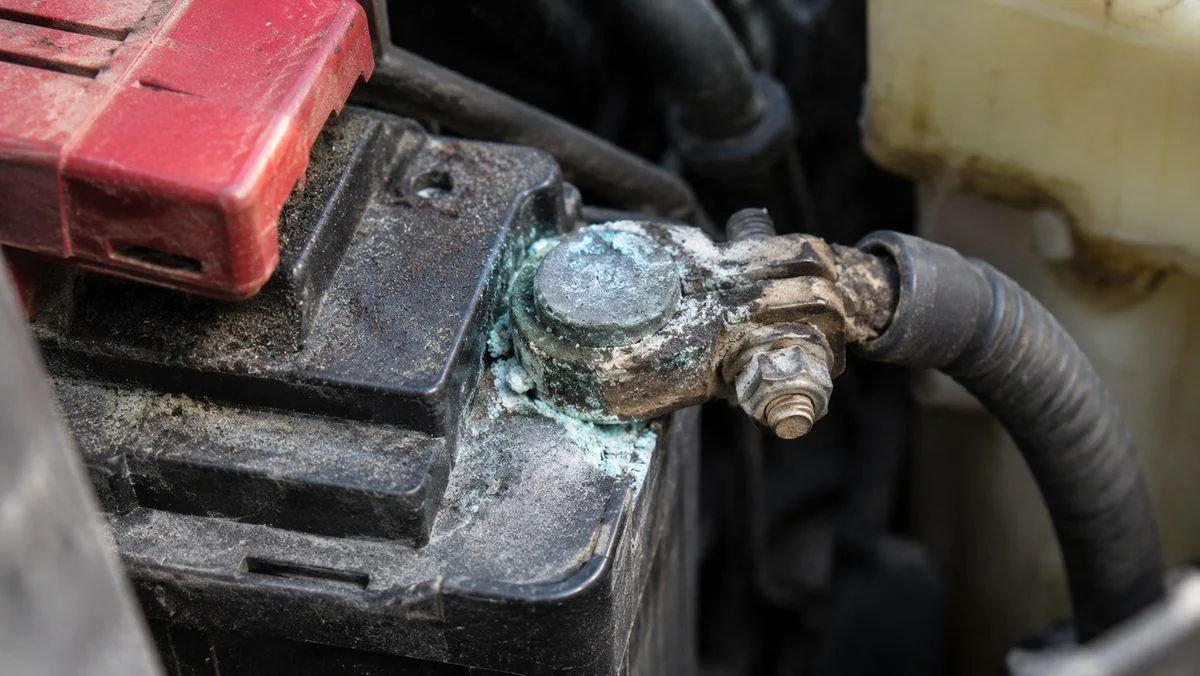
Even a healthy battery can be defeated by loose, dirty or corroded terminals, which block current from reaching the starter motor. In that case the car may start fine one moment and give no response the next.
If you hear nothing at all when you turn the key, or the dashboard lights suddenly go dark and come back, the connections are a likely suspect.
Starter motor failure
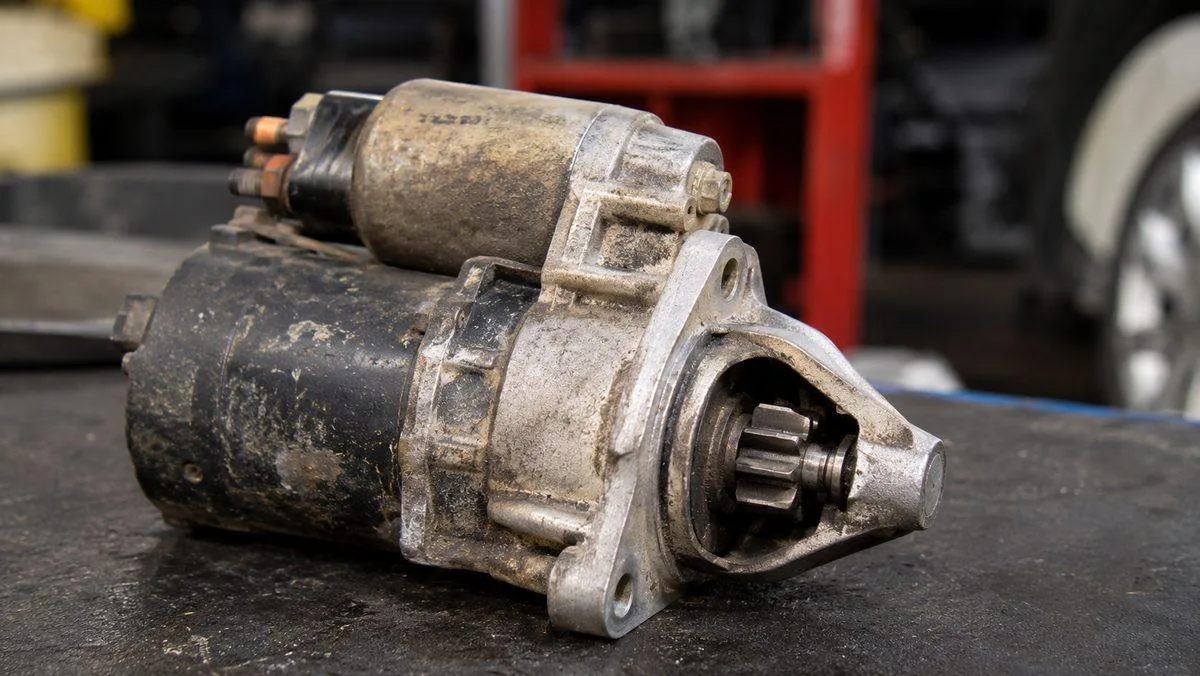
If the battery is fully charged and the electrics work but the engine doesn't turn, the starter motor comes into question. This component uses energy from the battery to give the engine its first movement; when it fails, the engine can't be cranked and the car won't start.
A single click at the moment of starting, followed by silence from the engine, points to a problem with the starter motor, the starter solenoid or the connecting circuits.
A failing alternator drains the battery
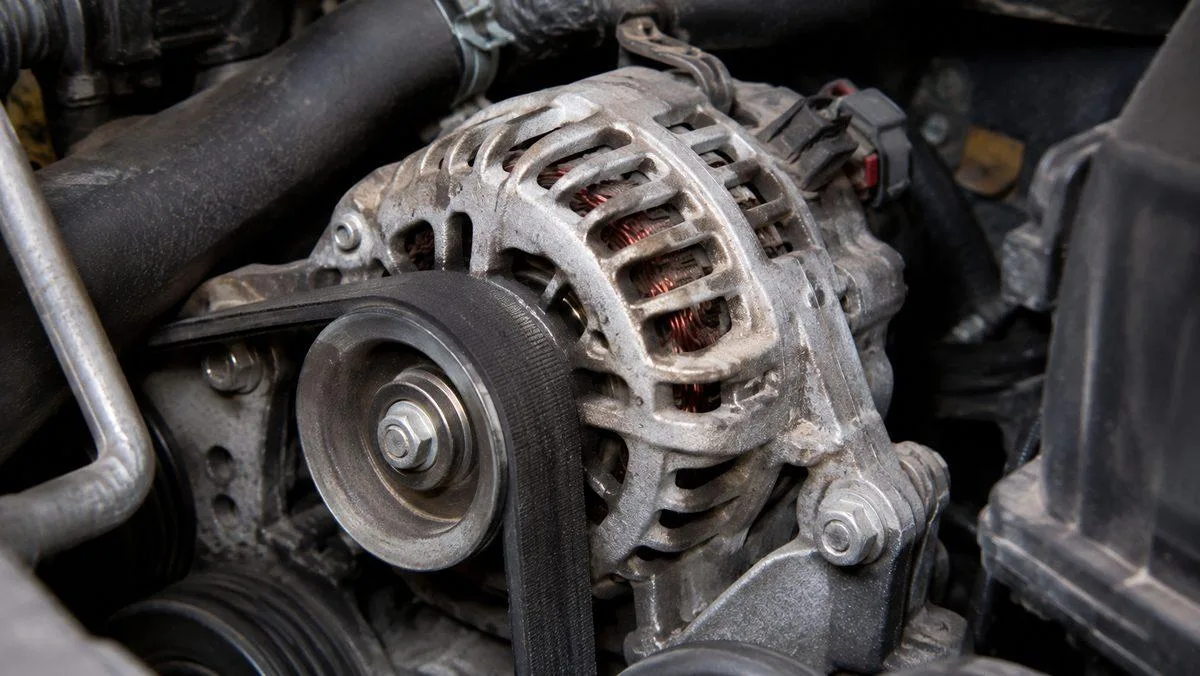
The alternator generates electricity while the engine runs, powering the car's systems and recharging the battery. When it fails, the battery gradually drains — and the car may not start on the next attempt.
Dim headlights while driving, a battery warning light on the dash, or erratic behaviour from electronic equipment can all indicate an alternator problem. Don't ignore these warnings.
Fuel pump and filter problems
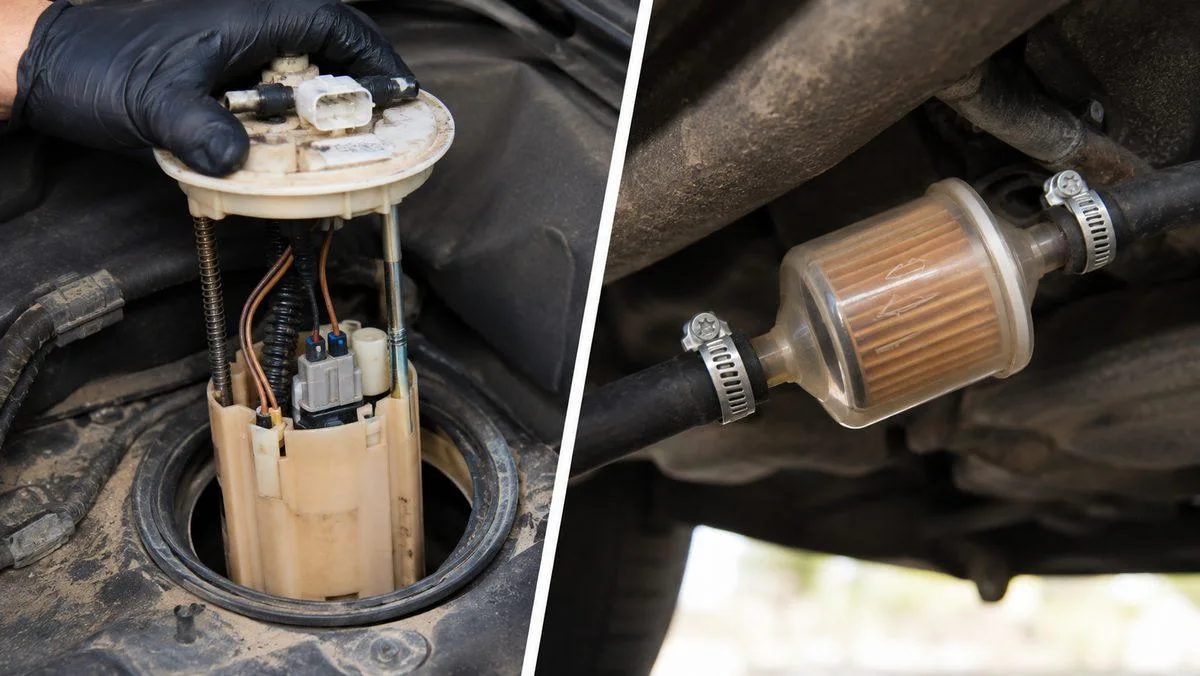
If the engine cranks but won't catch, the fuel system may be to blame. The engine needs the right amount of fuel delivered to the combustion chamber; a faulty fuel pump, a clogged fuel filter or a fault in the pump's electrical circuit can disrupt that process.
Hard starting, hesitation when accelerating, stalling during a drive and then refusing to restart are the classic symptoms of trouble in this system.
Ignition system issues in petrol cars
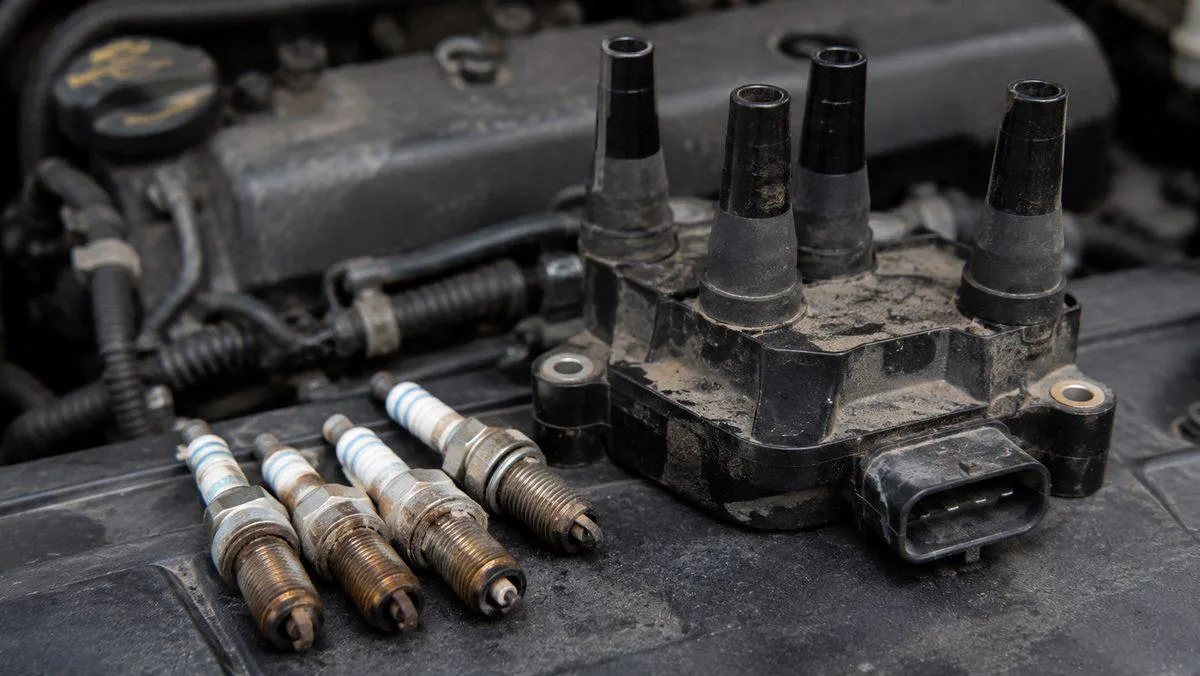
In petrol engines, spark plugs produce the spark that ignites the air-fuel mixture inside the cylinder. Worn or fouled plugs, or a fault in the ignition coil, can stop the engine from running properly.
In that case the starter motor may turn the engine, but without a spark it won't fire up. Hesitation, rough idling, loss of performance and increased fuel consumption are other possible symptoms.
Glow plugs are critical for diesels in cold weather
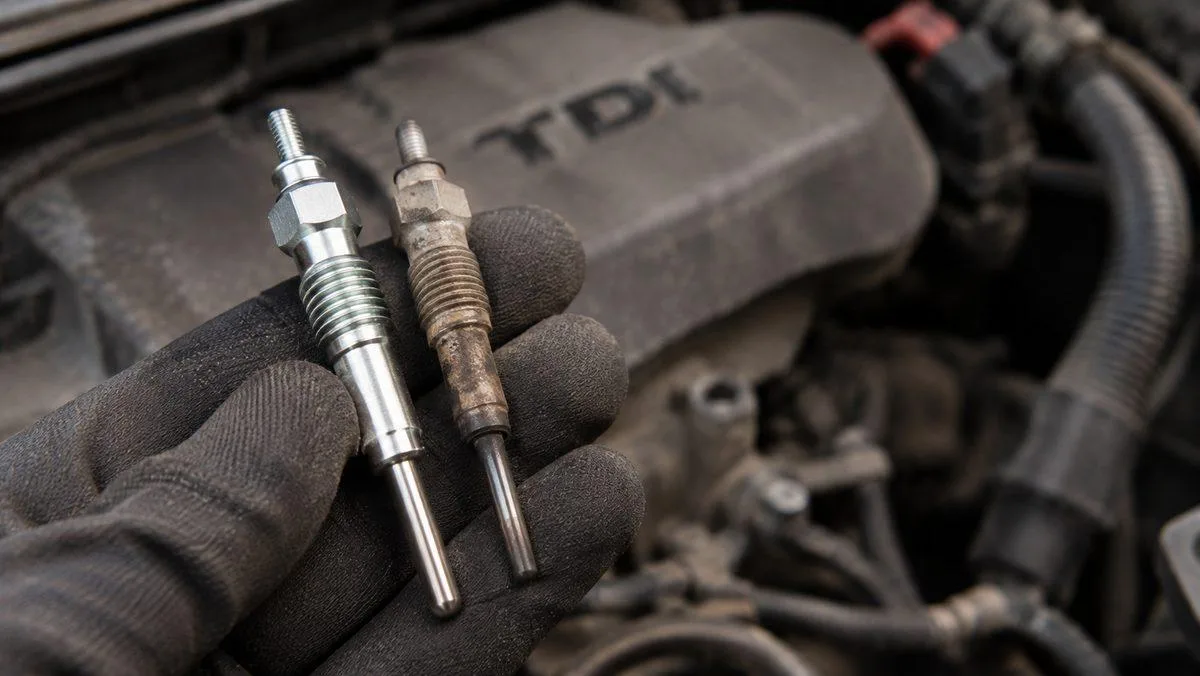
If you drive a diesel, the glow plugs could be the source of the problem. Diesel fuel ignites spontaneously under the heat created by compressed air; glow plugs help warm the combustion chamber, especially during a cold start. Faults become more noticeable in cold weather.
If the car is hard to start in the mornings, cranks for a long time, or produces white smoke from the exhaust, look for a problem in the glow plugs or the system that controls them.
Immobilizer and key-related blocks
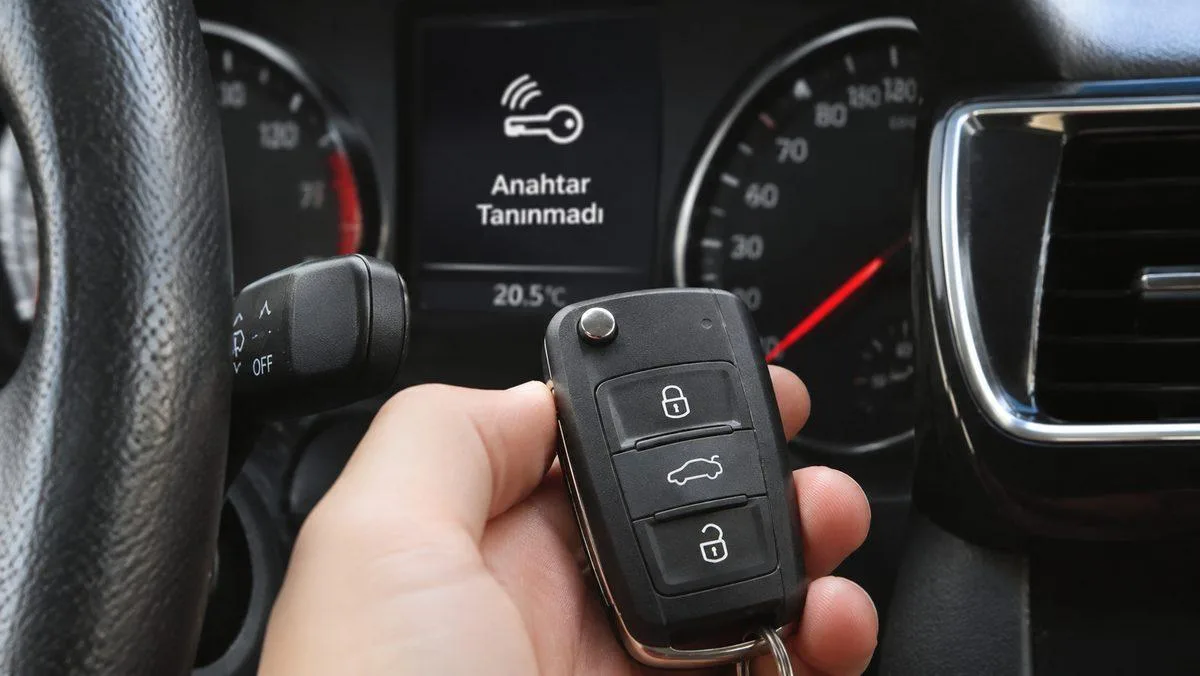
Sometimes there's no mechanical fault at all — the security system simply refuses to let the engine start. The immobilizer is the electronic system that ensures the car only starts with an authorised key; if communication between the key chip and the car is interrupted, the engine can't be started.
A dead battery in a smart key, or a key that isn't detected, produces the same result. If you see a key or security warning on the dashboard, try the spare key, or hold the smart key close to the emergency detection point described in the owner's manual.
Timing belt and mechanical failures: the most serious scenario
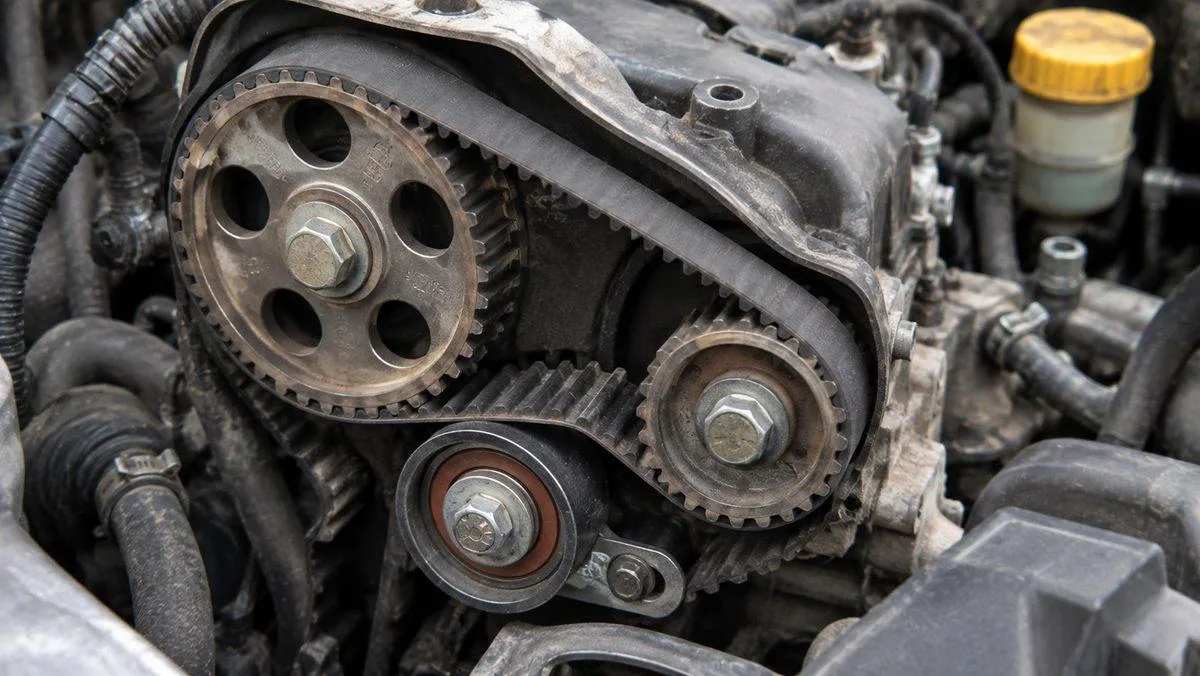
The riskiest item on the list concerns the engine's mechanical hardware. A snapped timing belt or a timing chain that fails to do its job can throw off the synchronization between valve and piston movement. Combustion then can't happen properly, and the car may not run at all.
Worse, in some engines a broken timing belt can cause pistons to collide with valves, leading to severe mechanical damage. If you hear unusual noises from the engine bay, or the car suddenly stalls while driving and then won't restart, take this possibility seriously.



Comments (0)
No comments yet. Be the first!