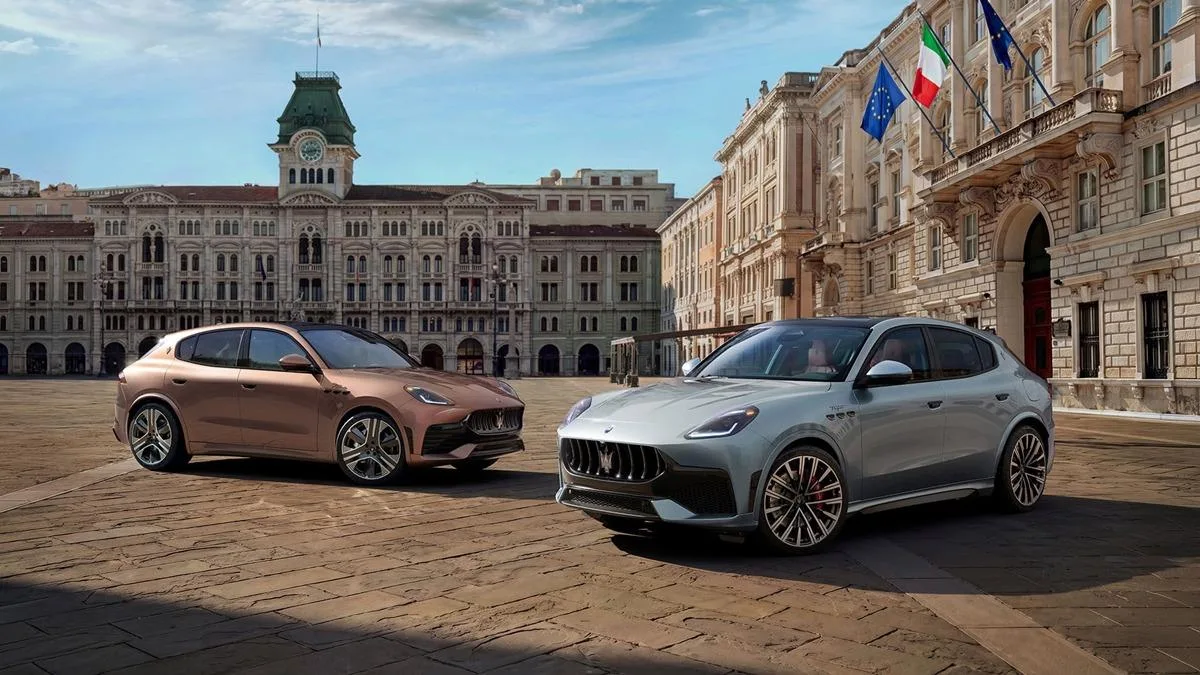

Weeks of speculation about the future of the automotive group have come to a head. Rumors that Italian luxury brand Maserati was set to be offloaded, and that Stellantis would split its American and European operations into two separate companies, have been firmly shot down by the company's leadership.
Speaking to Bloomberg Television at the 2026 Paris Motor Show, Stellantis executive Filosa shut down the sale claims with a blunt "Absolutely no." He stressed that the group's 14 brands will continue under a single roof, with each playing a critical role in that structure.
Ties with Alfa Romeo are strengthening
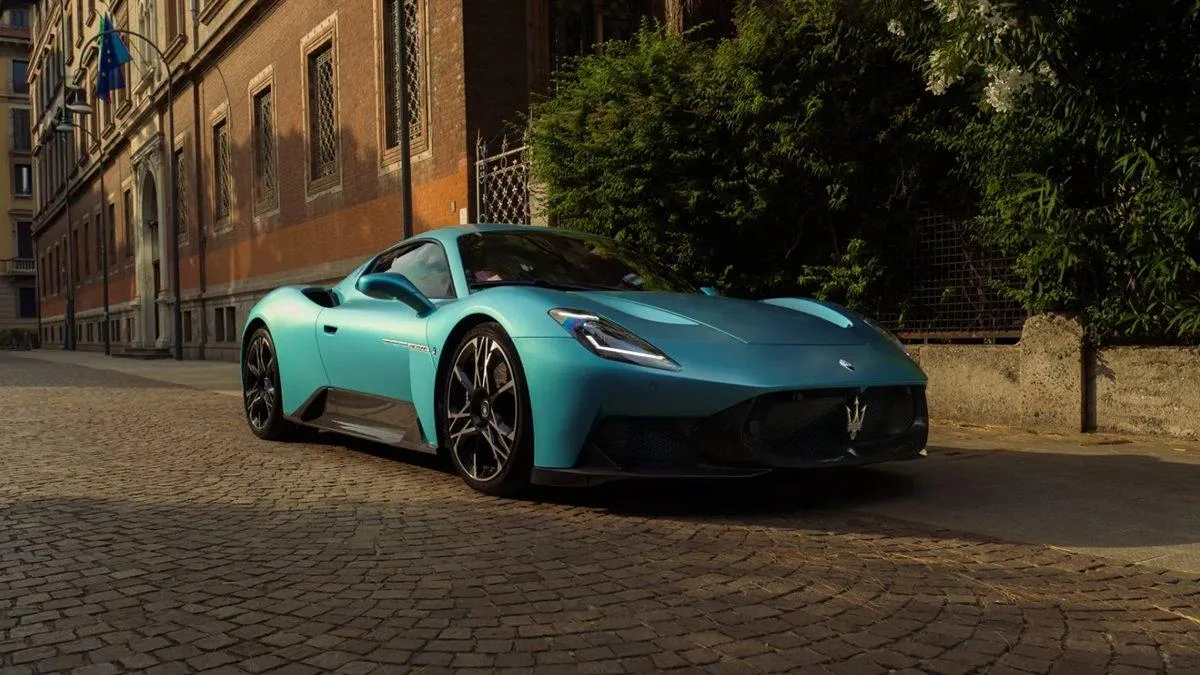
For Maserati, which has been battling market share losses and an uncertain future, Stellantis' formula is not a sale but collaboration. The engineering and infrastructure partnership between Maserati and Alfa Romeo — two brands sharing the same Italian luxury heritage — is set to deepen.
The approach aims to cut development timelines and costs while preserving each brand's distinct identity. Management sees the partnership as a turning point that will allow Maserati to recover within the group rather than seeking an outside partner.
Filosa also dismissed the idea of splitting the European and American operations into two separate companies, calling it "not at all reasonable." European brands such as Fiat, Peugeot, Opel and Lancia, alongside American giants like Jeep, Ram, Dodge and Chrysler, will continue to generate global economies of scale through shared powertrains and platforms.
Investments to focus on five main brands
Under the new strategy, resources will not be spread evenly across every brand. Investment will be prioritized for Jeep, Ram, Peugeot, Fiat and the Pro One commercial vehicle unit.
A tough financial picture
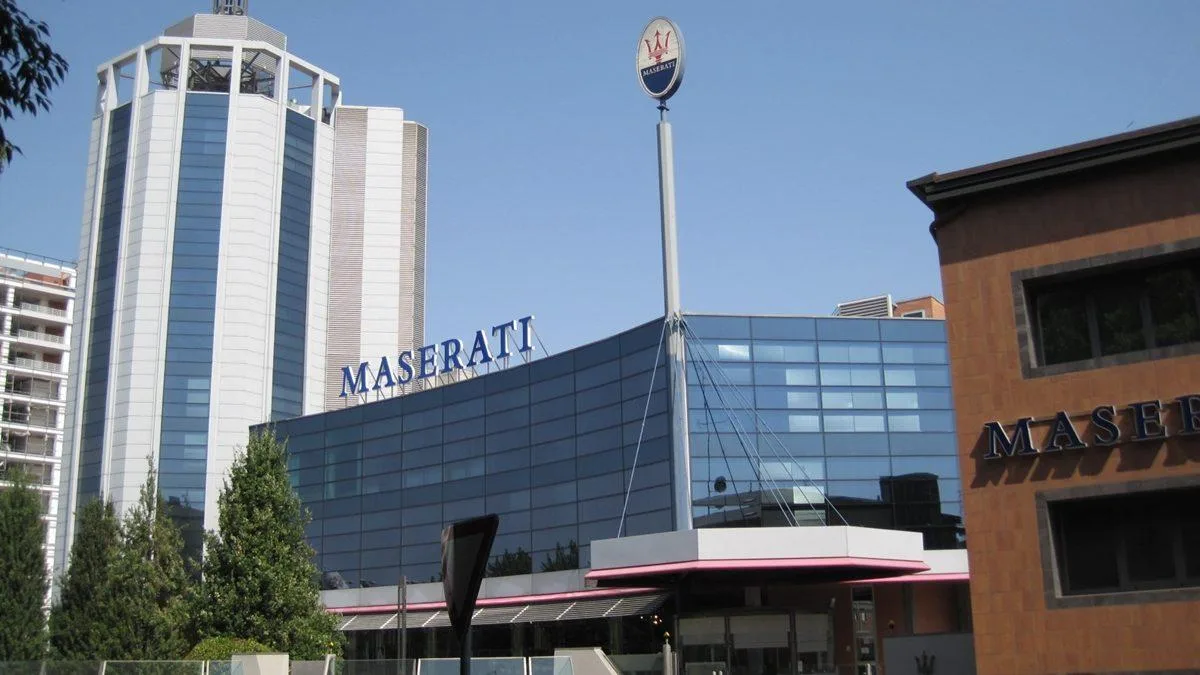
With Stellantis posting a net loss of 22.3 billion euros in 2025 and its shares under pressure, the biggest test will be capturing cost advantages without diluting the DNA of its brands. Facing rising Chinese electric vehicle makers, the group is leveraging its Leapmotor and Dongfeng partnerships to make use of idle factory capacity in Europe, and it argues that a return to profitability has begun. Ultimately, though, the real success of the 14-brand structure — Maserati included — will depend on its new product lineup.
Comments (0)
No comments yet. Be the first!