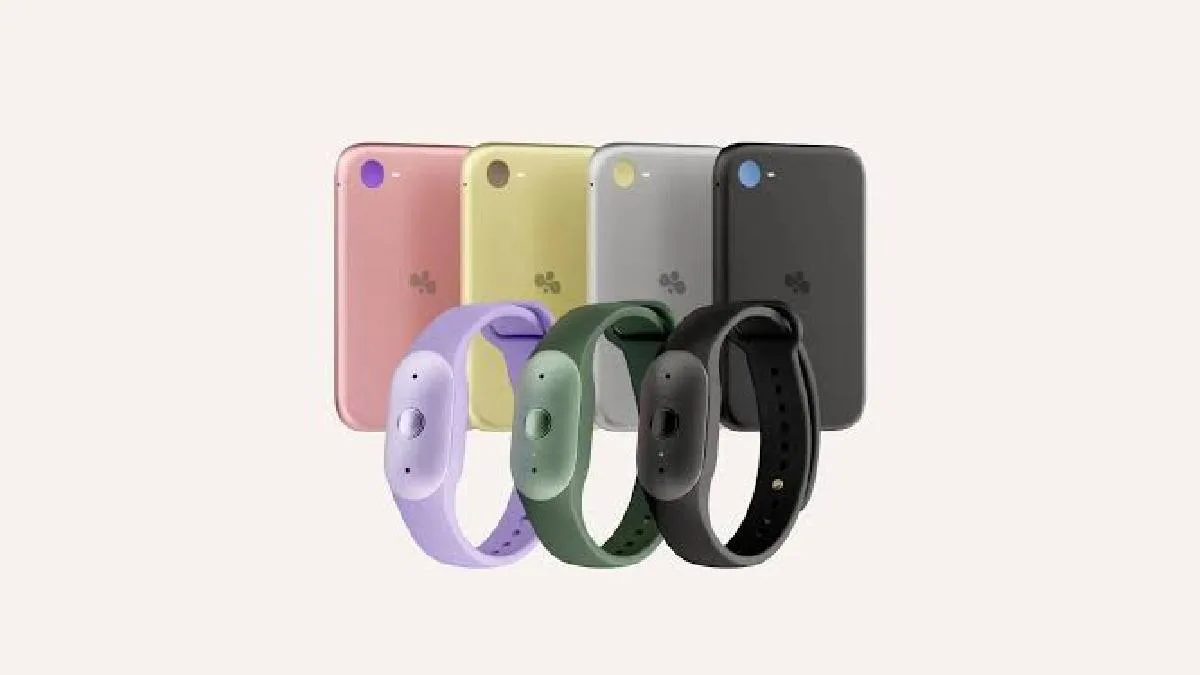

Amazon is expanding into personal AI hardware with two new devices designed to listen to your day and make sense of it. The lineup consists of Bee Frontier, a wrist-worn wearable, and Bee Eclipse, a slim accessory that attaches magnetically to the back of your phone. Both aim to capture the flow of your daily life and organize it for you.
The concept is simple: the devices pick up nearby conversations and phone calls, then convert them into summaries, to-do lists and reminders. All of this content is made available to the user through the Bee mobile app.
Bee Frontier: an assistant on your wrist or clothing
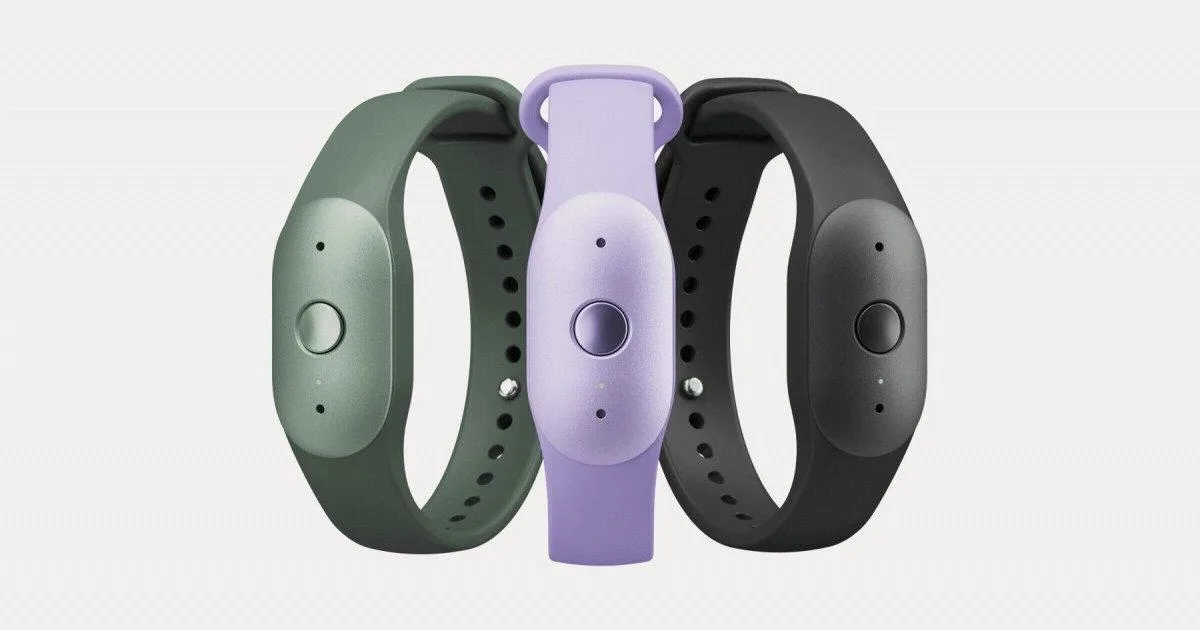
The wearable Bee Frontier can be worn with a soft silicone wristband or clipped onto clothing. It comes in lavender, sage and onyx color options and features a dual microphone setup, noise filtering, an IP67 rating and USB-C charging.
According to Amazon, the device offers a battery life of up to seven days. Bee Frontier is on sale for $74.99.
Bee Eclipse: a thin accessory that sticks to your phone
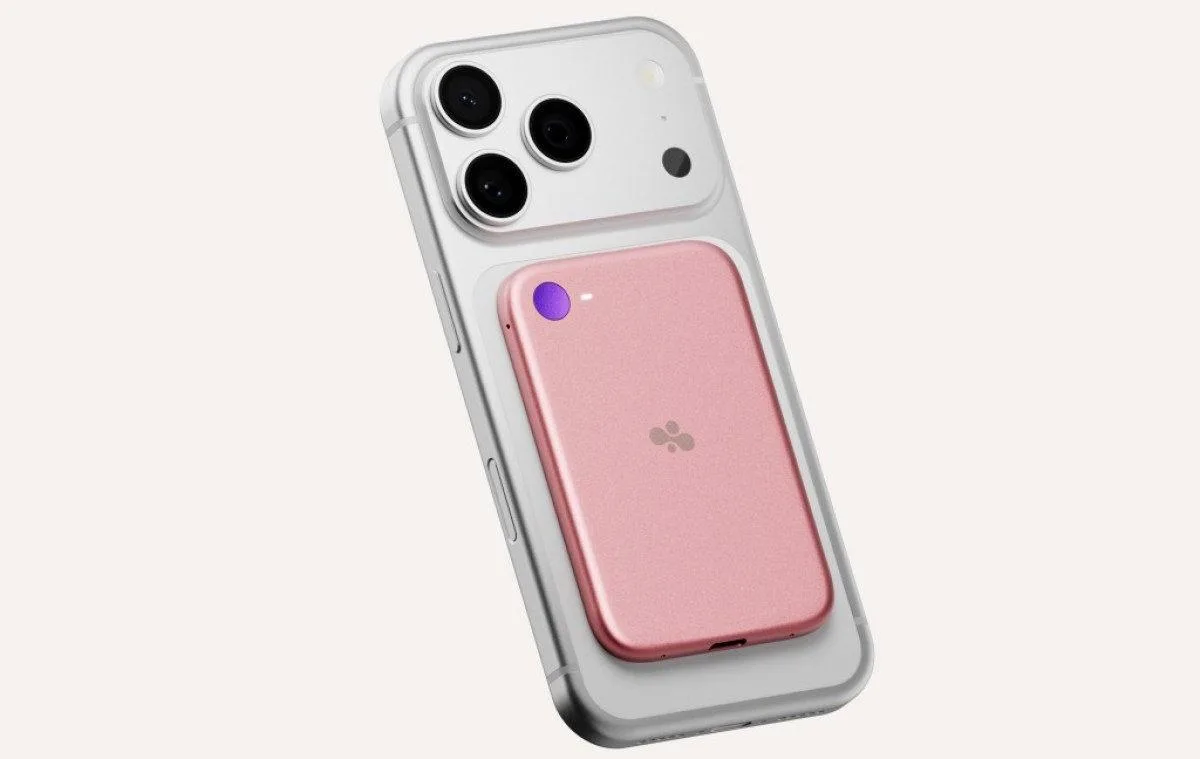
Roughly the size of a credit card, Bee Eclipse measures 4.6 mm thick and weighs 48.9 grams. Thanks to its magnetic design, it attaches easily to the back of a phone, and Amazon says it delivers battery life of more than 21 days.
The device houses four MEMS microphones plus a vibration microphone. This hardware allows both face-to-face conversations and both sides of phone calls to be captured clearly. Available in four colors, Bee Eclipse starts at $99.99.
What about the software?
Both devices run on the same software platform, generating conversation summaries from the data they collect. These summaries can be accessed not only in the mobile app but also through a newly released desktop app. The software includes templates tailored to scenarios such as lectures and brainstorming sessions.
An $11-per-month Pro subscription connects services like Gmail, Google Calendar, Microsoft Outlook, Apple HealthKit and Photos to the system.
How is privacy handled?
Devices that listen continuously naturally raise privacy concerns. Amazon says both models operate on a dedicated infrastructure called "Bee Private Compute." Under this setup, audio data is processed in real time and deleted immediately afterward, never being stored.


Comments (0)
No comments yet. Be the first!