
Portable speakers are the first stop for anyone who wants to listen to music anywhere, free of cables. With dozens of models on the market, the right choice starts with deciding where you'll actually use the device: at home, at the beach, or at a party? In this guide, we sort 2026's recommendations around exactly that question.
Along the way, we also explain in plain language the terms you'll run into on shopping pages — watts, IPX ratings and passive radiators — and compare standout models from JBL, Sony, Marshall, Bose and Anker Soundcore by battery life, sound character and price range.
Before You Choose: Technical Terms and Decision Criteria
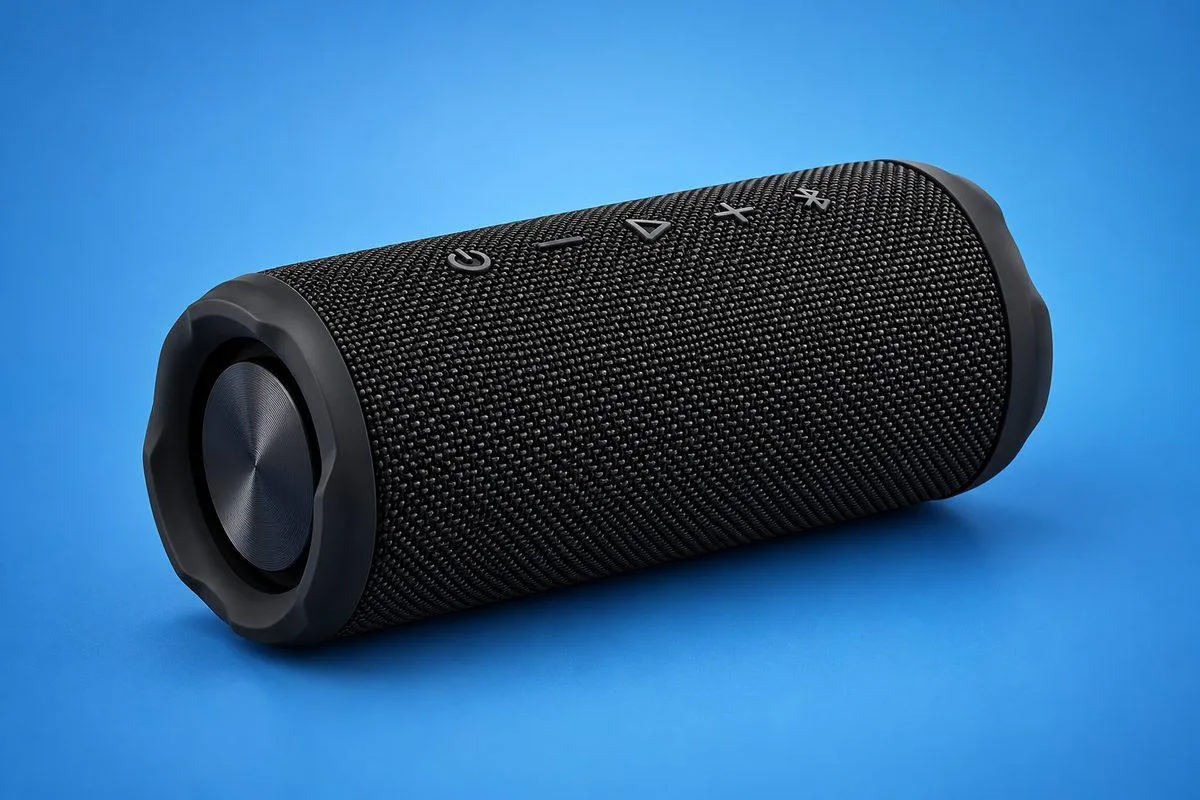
Do you need a sound that cuts through a noisy crowd, or a reliable travel companion for music on the go? The shape of your need determines the hardware you should look for, so pin down your use case before scanning any list.
The manufacturer's claimed playtime, Bluetooth version, water and dust protection, and supported connection methods are the core factors in a purchase decision. Keep in mind, too, that advertised battery figures are based on specific test conditions.
Don't Be Fooled by Wattage
Watts (W) reflect a speaker's power capacity, but on their own they don't tell you how loud it will be. Driver efficiency, frequency range and cabinet design all change the outcome. So assuming a 30 W device will always play louder than a 20 W model would be a mistake.
What Do IP Codes Mean?
An IP rating codes a device's level of protection against solid particles and water. In IPX7, the "X" means dust protection is not specified; water protection is read from the second digit. In IP67 and IP68, the first digit covers dust and the second water resistance. In IP68, submersion depth and duration depend on conditions defined by the manufacturer.
| Protection rating | General meaning | Usage advice |
|---|---|---|
| IPX5 | Protection against water sprays | Check the product's instructions in environments with rain and splash risk. |
| IPX7 | Protection against temporary submersion under specified test conditions | Review the manufacturer's conditions before pool or beach use. |
| IP67 | Full dust protection plus protection against temporary submersion under specified conditions | Suitable to consider for camping and outdoor use |
| IP68 | Full dust protection plus protection against submersion under manufacturer-defined conditions | Check depth and duration limits in the product's technical specifications. |
How Passive Radiators Affect Bass
A passive radiator helps produce low frequencies by exploiting air pressure inside the cabinet, and it isn't electrically powered. In small portable devices, it can make it easier to get a full bass response. Still, the mere presence of a radiator isn't a guarantee of strong bass; its size, the cabinet's acoustic design and the drivers determine the result.
Speaker Picks for Your Scenario
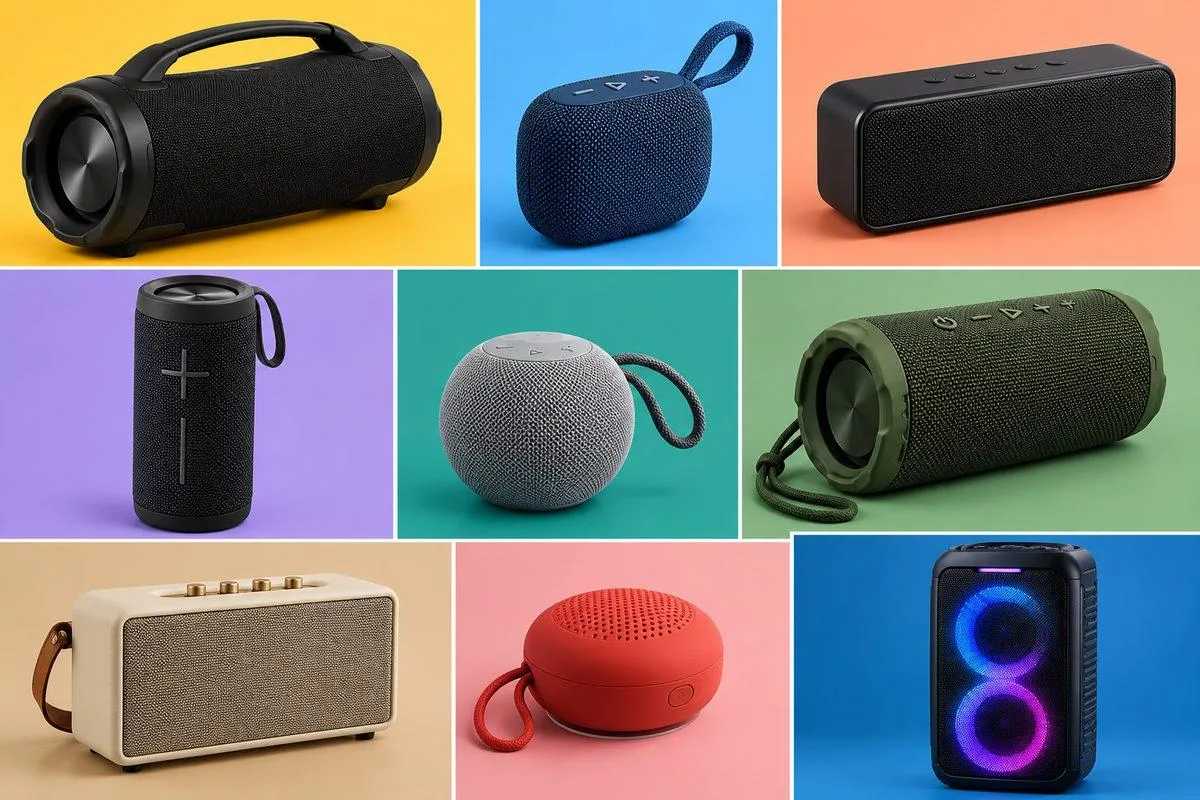
Every device has a sweet spot: some shine for their light weight, some for battery life, others for bass power or multi-speaker connectivity. Judging them by these strengths makes your job easier.
Models Suited to Home Listening
For music at home or on the veranda, the Marshall Emberton III makes the list. Offering 360-degree sound, IP67 protection and more than 32 hours of playtime per charge, the model also draws attention with its retro styling; it appeals to anyone looking for a device to keep on a table or bookshelf.
Those who prioritize sound quality in a portable body can consider the second-generation Bose SoundLink Flex. Playing up to 12 hours at moderate volume, the device is IP67 rated; stereo use with two compatible speakers and Party Mode with supported devices are also available.
Waterproof Picks for Camping and the Beach
For long hours of music outdoors, the JBL Charge 6 is a strong candidate: it delivers 30 W RMS for the woofer and 15 W RMS for the tweeter, with up to 28 hours of playtime. If you want a model that sits between portability and big sound, it's worth a look.
As a more compact candidate, the Sony SRS-XB100 stands out: roughly 274 grams, IP67 protection and up to 16 hours of battery life.
Loud Models for Parties and Crowds
For filling larger spaces with music, the JBL PartyBox Stage 320 fits the bill: with its party-focused design, high sound capacity and easy-to-carry body, it sits in a class aimed at house parties, backyard gatherings and crowded events. The JBL Boombox 4 is another big-bodied option for those who want to combine powerful sound and bass with portability. In this class, add weight, carrying convenience and battery performance to the price equation.
Mini-Sized Candidates
For a device that fits in your pocket, the JBL Go 4 is a reasonable pick: at 190 grams, it plays up to 7 hours of music, and with the Playtime Boost function that can extend by two more hours under suitable conditions. It's a practical candidate for short trips and personal use. The Anker Soundcore Select 4 Go is an alternative for anyone wanting to combine a compact body with long battery life.
Comparing the Numbers: Battery, Connectivity, Sound Character
For a fair comparison, you have to read battery life, water resistance, connection technology and sound character within the same frame.
Playtime Per Charge
Battery life is decisive for camping, travel and outdoor events — but remember that claimed figures rest on test conditions. The Marshall Emberton III leads the field for longevity seekers with its claim of more than 32 hours. Up to 28 hours is specified for the JBL Charge 6, up to 16 hours for the Sony SRS-XB100, and up to 7 hours for the JBL Go 4.
Who Has Stereo Pairing and Multi-Speaker Linking?
These two concepts are often confused: in stereo pairing, two compatible speakers split right and left channels to create a wide soundstage; in multi-speaker linking, supported devices play the same music simultaneously. The JBL Flip 7 and Charge 6, with Auracast support, can bring compatible speakers together around the same broadcast. The JBL Go 4 offers stereo pairing between two compatible devices plus Auracast-supported multi-speaker linking. Stereo pairing is also present on the Sony SRS-XB100 and ULT FIELD 1.
Sound Preference by Music Genre
Listeners of electronic music and hip-hop tend to prioritize strong bass, while for acoustic, jazz and vocal-heavy material, the naturalness of the midrange and the clarity of the treble matter more. With its passive radiator design and 360-degree output, the Marshall Emberton III is well suited to listening from different corners of a room. For bass-heavy music, look at the JBL Charge 6 and Sony ULT FIELD 1; if sound quality and portability come first, the Bose SoundLink Flex (2nd Gen) comes into play.
How to Read User Reviews Properly
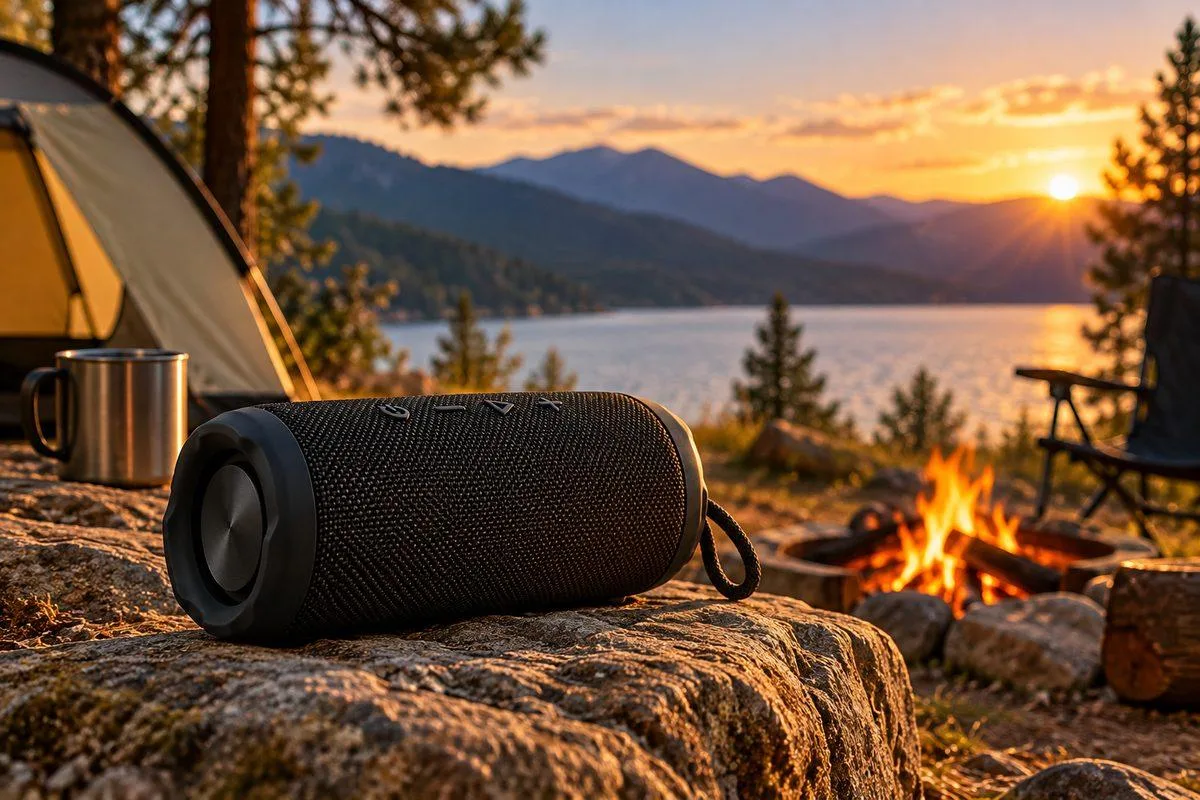
Checking reviews before buying is valuable for seeing how specs translate into practice — but you can't assume every user will have the same experience. Relying on a single platform can be misleading; scanning multiple sources is a healthier way to decide.
Is the Sound Loud Enough Outdoors?
The answer lies not only in maximum volume but also in ambient noise. A mini speaker that satisfies in a small campsite may not deliver the same impact on a crowded beach or in a large garden.
Where Does the Connection Drop?
It's hard to name a fixed drop-out distance. The speaker's antenna design, the phone's capabilities, walls in between and interference from nearby wireless devices all directly shape the connection.
How Does the Battery Behave Years Later?
A new device's battery life won't match that of a speaker used for years. Charge cycles, temperature, and batteries left sitting fully charged or empty for long periods all affect the process. The safest approach is to follow the device's user manual.
Price-Performance Outlook by Budget
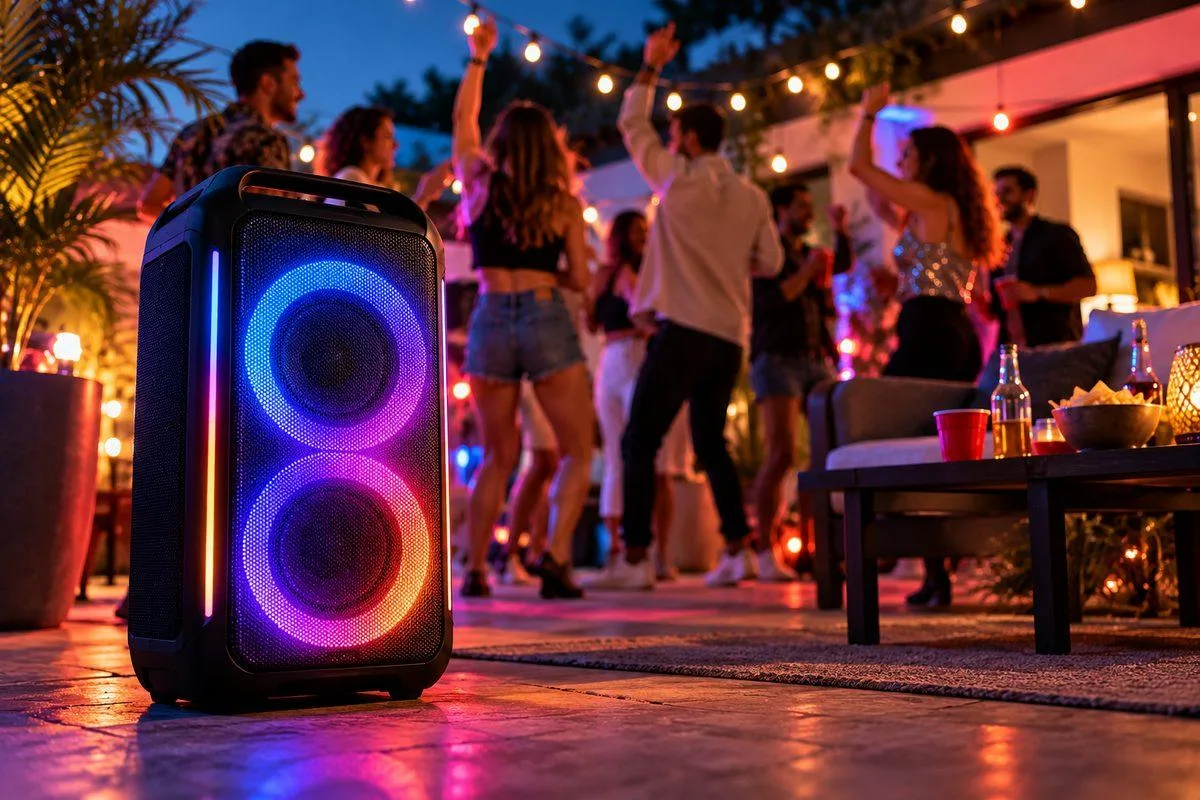
Speaker prices vary with size, output power, battery life, protection rating and connectivity features. The standout candidates by budget bracket (prices in Turkey) are as follows:
Options Under 1.500 TL
For everyday use on a tight budget, the Xiaomi Sound Pocket is a good candidate for a small device. The JBL Go Essential 2 can also be considered as a compact alternative in this segment.
Models Between 1.500 and 5.000 TL
In this range, the Sony SRS-XB100 draws attention with its IP67 protection and suits those wanting long battery life. The JBL Clip 5 is practical for anyone who wants to clip the speaker onto a bag or a suitable strap; its compact body and water and dust resistance give it an edge for outdoor use.
Premium Picks Above 5.000 TL
If budget is no object, the Marshall Emberton III can make the list for those who want to combine design with long battery life; its more than 32 hours of playtime is a further plus for anyone who doesn't want to charge constantly. The Bose SoundLink Flex (2nd Gen) suits those prioritizing portability and the listening experience; stereo pairing and Party Mode expand its use cases.
FAQ: Common Questions
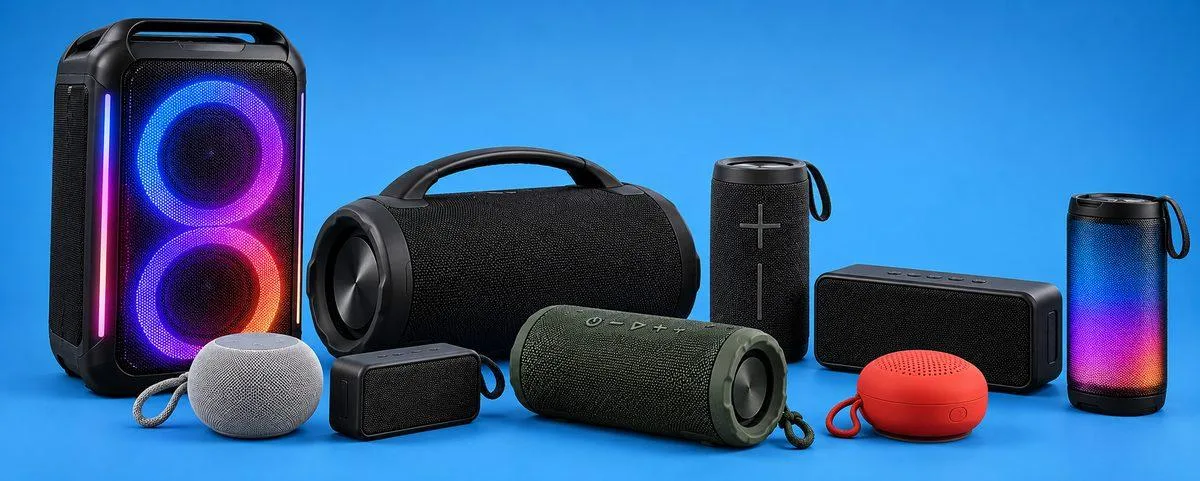
Which brand stands out?
Since expectations vary from person to person, it's impossible to label a single brand "the best." JBL stands out with a broad product range covering different sizes and use cases. Sony catches the eye in compact models, Marshall in long battery life and design, Bose in the portable listening experience, and Anker Soundcore in budget-friendly options.
Can it play music while charging?
It varies by brand and model. Some devices can keep playing while charging; still, you should follow the conditions in the manufacturer's user manual. Avoid charging the device in direct sunlight or in a hot environment. For definitive information, consult the official instructions.
Can it connect to a TV?
Televisions with Bluetooth audio output can connect wirelessly to compatible speakers, but the method varies by TV model and operating system. Since some TVs can show audio lag, it's worth checking for low-latency support for movies and gaming. On models without Bluetooth output, a suitable external transmitter may be required.
Comments (0)
No comments yet. Be the first!