
For years, Apple was the undisputed king of the buyer's market. The company could leverage its enormous order volumes to extract the lowest possible prices from memory chip makers — and even audit suppliers' books to make sure it was getting them.
That era is ending. The explosive growth of AI investment has sent memory demand soaring, and suppliers no longer depend on Apple the way they once did.
Hardball tactics: audits and price mandates
According to details uncovered by the Wall Street Journal, Apple required memory manufacturers to give it the best available price. To verify compliance, it regularly had suppliers' financial records examined.
These audits became so frequent that Apple signed a bulk discount agreement with Deloitte solely to carry out the checks. Through the reviews, Apple also gained deep insight into manufacturers' financial health and production capacity.
A striking anecdote from 2015: "on their knees"
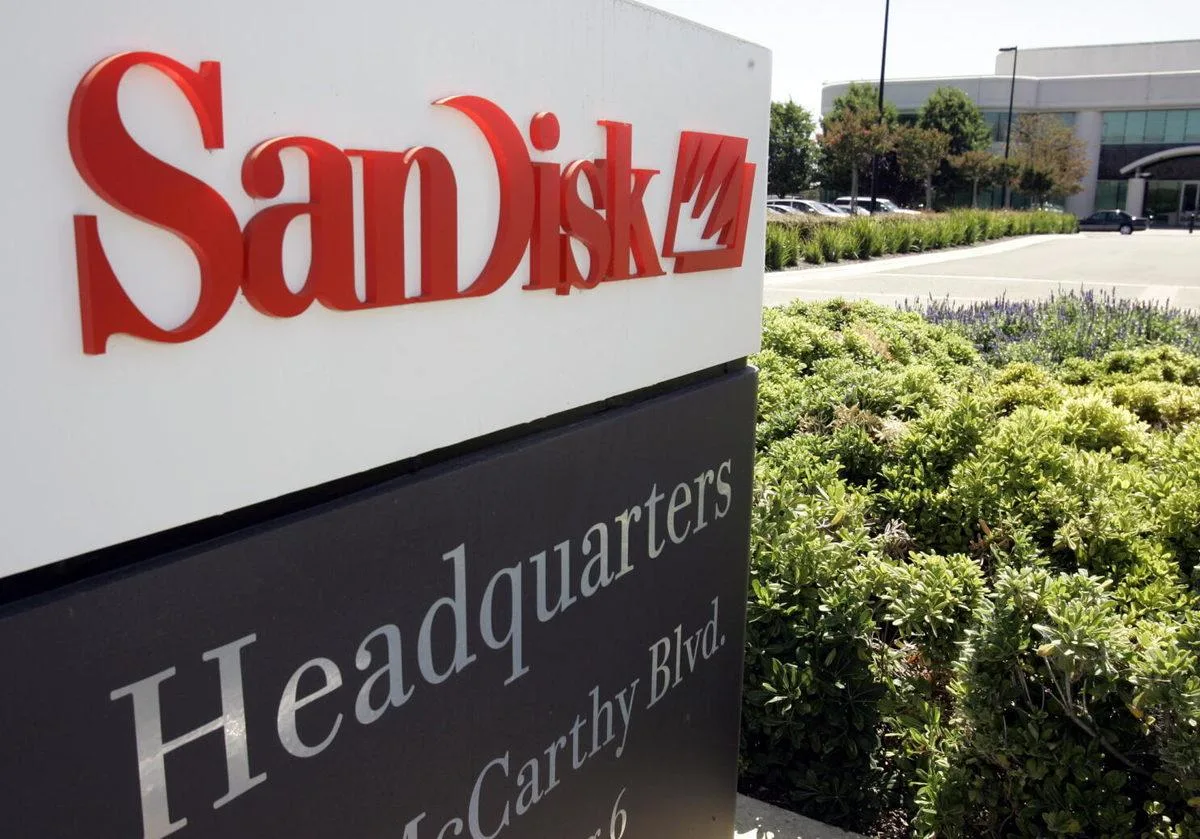
One of the claims in the report dates back to 2015. SanDisk reportedly refused to fulfill an additional memory order from Apple while charging other customers higher prices. In response, Apple's supply chain executive Tony Blevins allegedly told SanDisk CEO Sanjay Mehrotra that his company would end up "crawling on their knees" to do business with Apple again.
AI flipped the negotiating table
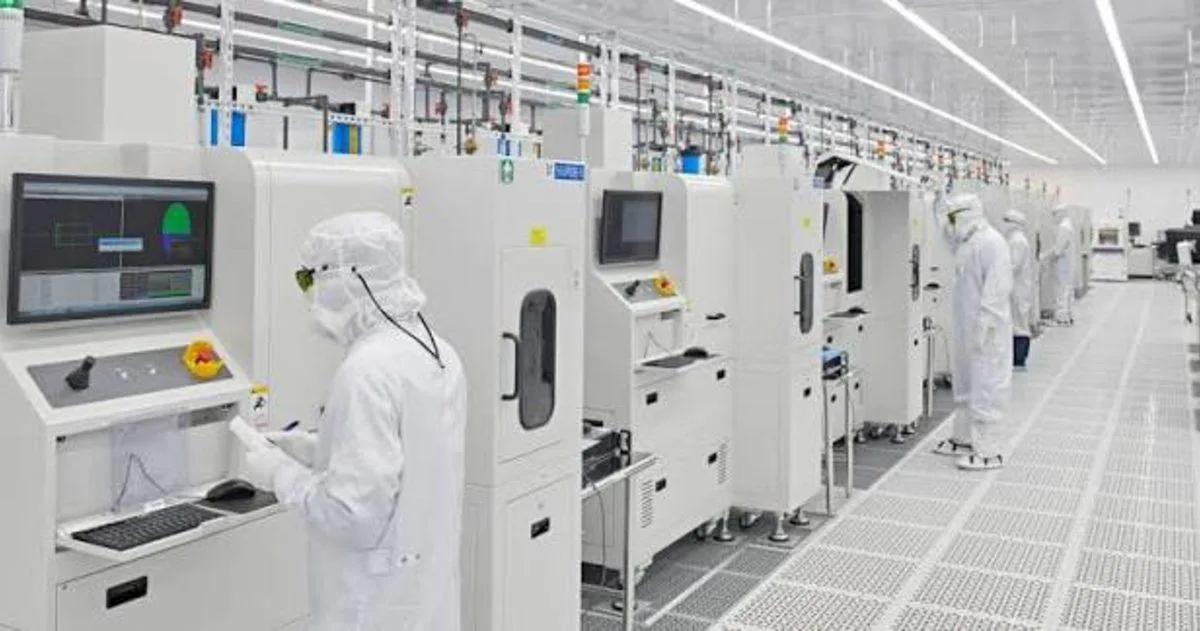
The driving force behind the shift is the enormous demand flowing into AI infrastructure. Manufacturers can now sell memory built for data centers and AI systems to other customers at far higher prices. Per the Wall Street Journal's assessment, this has eroded the price advantage Apple once enjoyed.
Rising memory costs could also feed into device production expenses, including the iPhone. For a company that once single-handedly dictated pricing, a new and far more difficult chapter in its supply chain is beginning.


Comments (0)
No comments yet. Be the first!