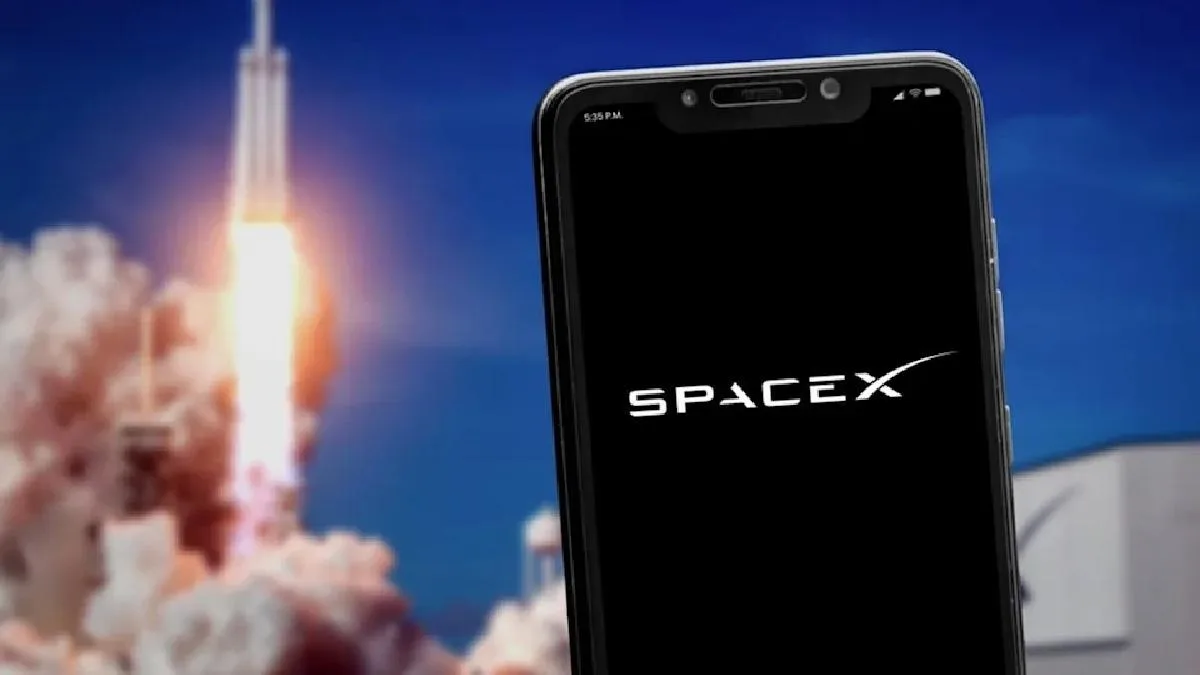

SpaceX is stepping beyond its identity as a space company and into the telecom sector. Under Elon Musk's leadership, the company has acquired low-frequency cellular licenses. With the FCC approving the purchase, the firm will operate as a mobile carrier under the Starlink Mobile name.
This means a direct rival to Verizon, AT&T and T-Mobile in the US. SpaceX will enter the market with a new architecture that combines its satellite network with terrestrial mobile infrastructure.
800 MHz band targets coverage problems

The licenses cover up to 14 megahertz of paired spectrum in the 800 MHz band. Because low-frequency waves can penetrate thick walls, the move aims to solve indoor coverage — the weakness SpaceX considers its biggest.
This isn't the first such move; SpaceX had previously purchased 2 GHz spectrum from EchoStar as part of its direct-to-device strategy.
Satellite and terrestrial networks in one
The FCC had already approved the deployment of 15,000 V2 Starlink Mobile satellites, said to offer more than 100 times the bandwidth of the current generation. Combined with low-band spectrum, the new hardware will greatly expand satellite-to-cellular capacity at scale.
Company officials emphasize that Starlink Mobile will be the first carrier able to deliver both satellite and terrestrial spectrum simultaneously. The promise: uninterrupted communication indoors, outdoors, and in "dead zones" not on any coverage map.
Comments (0)
No comments yet. Be the first!