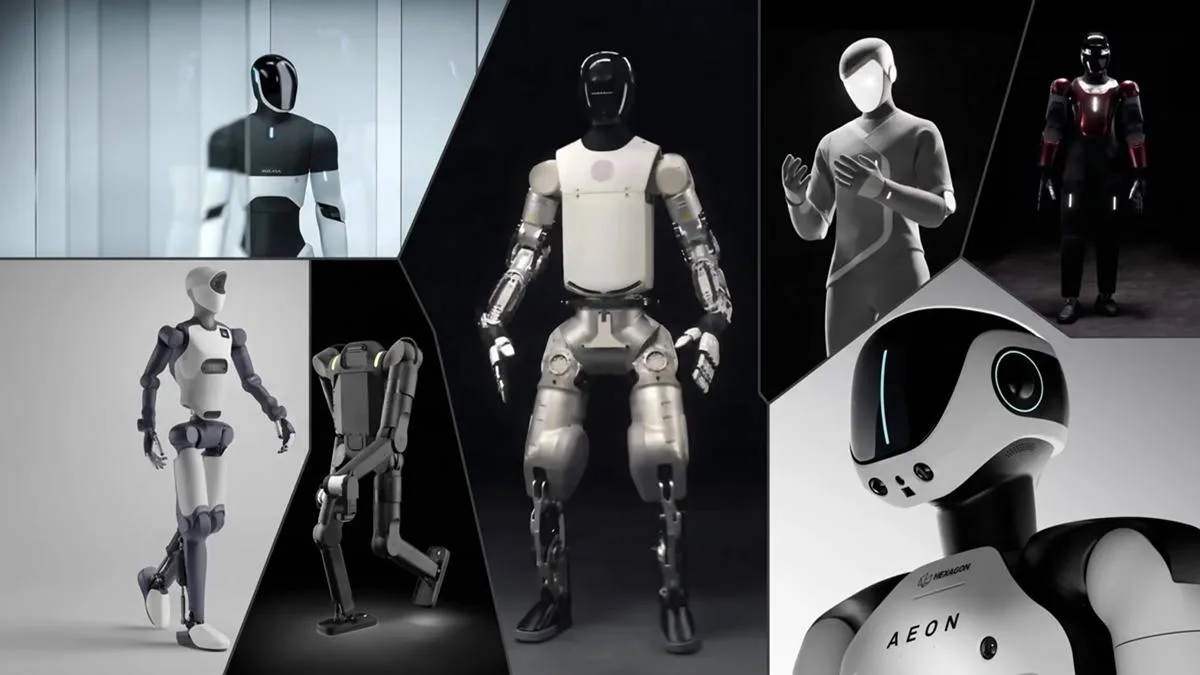

OpenAI, which has long supplied AI models to robotics companies rather than building robots itself, is changing course. The company is now moving toward creating its own physical product: a humanoid robot built from the ground up.
CEO Sam Altman has confirmed the project and said the company has set a demonstration target for 2027. That means the firm that powered the industry with its foundation models will now compete directly in the hardware market with some of its former partners.
Altman makes it clear: a demo in 2027
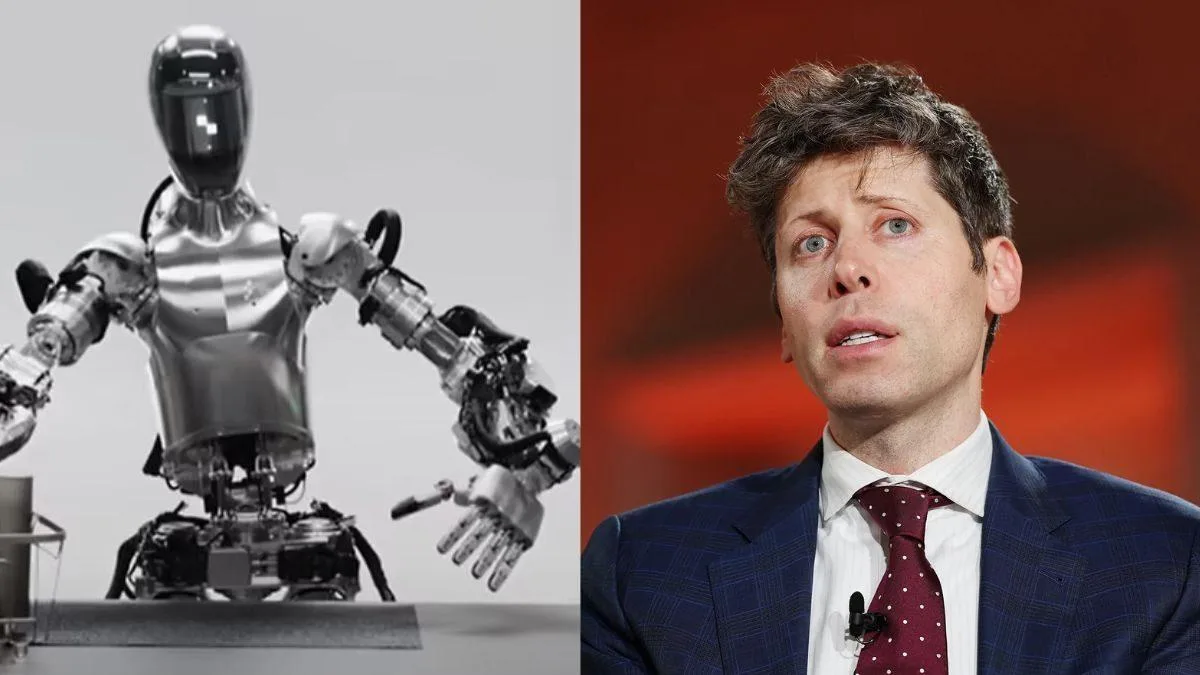
Altman addressed the topic in two separate interviews. When asked on the Sources podcast whether OpenAI's robotics work would include a humanoid form, he said: "We will absolutely make a humanoid robot. We will also work on other form factors."
In a conversation with Fortune, he shared the timeline: "We'll show a really great demo in 2027."
Why a humanoid form?
According to Altman, the choice is not emotional but practical. The physical world — from door handles and stairs to keyboards and warehouse shelves — is designed around the human body. Still, Altman emphasizes that what will truly matter is not the robot's body but the "brain" controlling it.
Unknowns and challenges
The demonstration planned for 2027 is a concept, not commercial production. Technical details such as the robot's weight, battery life, degrees of freedom and manufacturing partner have not yet been disclosed.
While the company has enormous computing power and software expertise, its lack of hardware manufacturing experience is a significant hurdle. The robotics division, led by Aditya Ramesh — Vice President of Research and the head of the DALL-E and Sora teams — treats robotics as a "manufacturing problem." But the fact that an error in simulation becomes a wrong pixel in the digital world and a dropped object in the physical world means the approach will face its real test at the 2027 demo.






Comments (0)
No comments yet. Be the first!