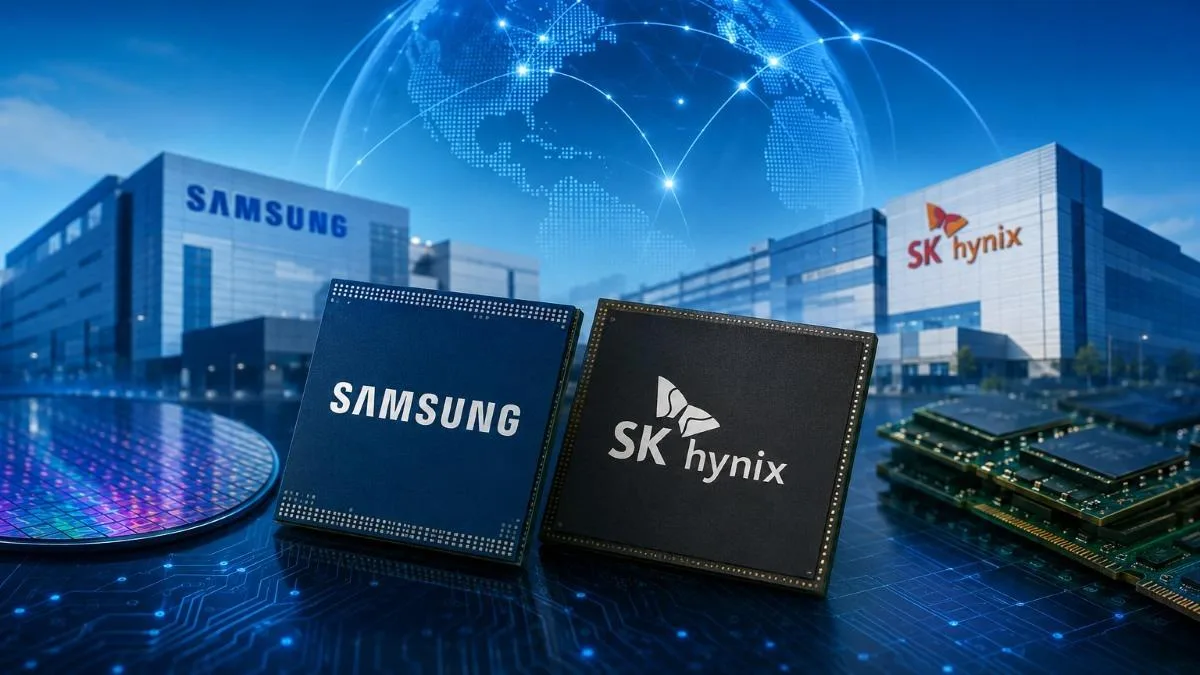

The AI boom is reshaping the memory industry, and it is now driving two South Korean giants to reinvest in their Chinese manufacturing bases. Samsung Electronics and SK Hynix are both preparing to upgrade their fabs in China so they can produce more advanced, higher-layer NAND chips. Two forces are behind the move: the enormous memory appetite created by AI systems, and the market share being chipped away by domestic Chinese rivals.
There is also a complicating factor: US export rules on production equipment. Both companies must stay within the boundaries set by Washington as they take these steps.
The "Monami" project in Xi'an
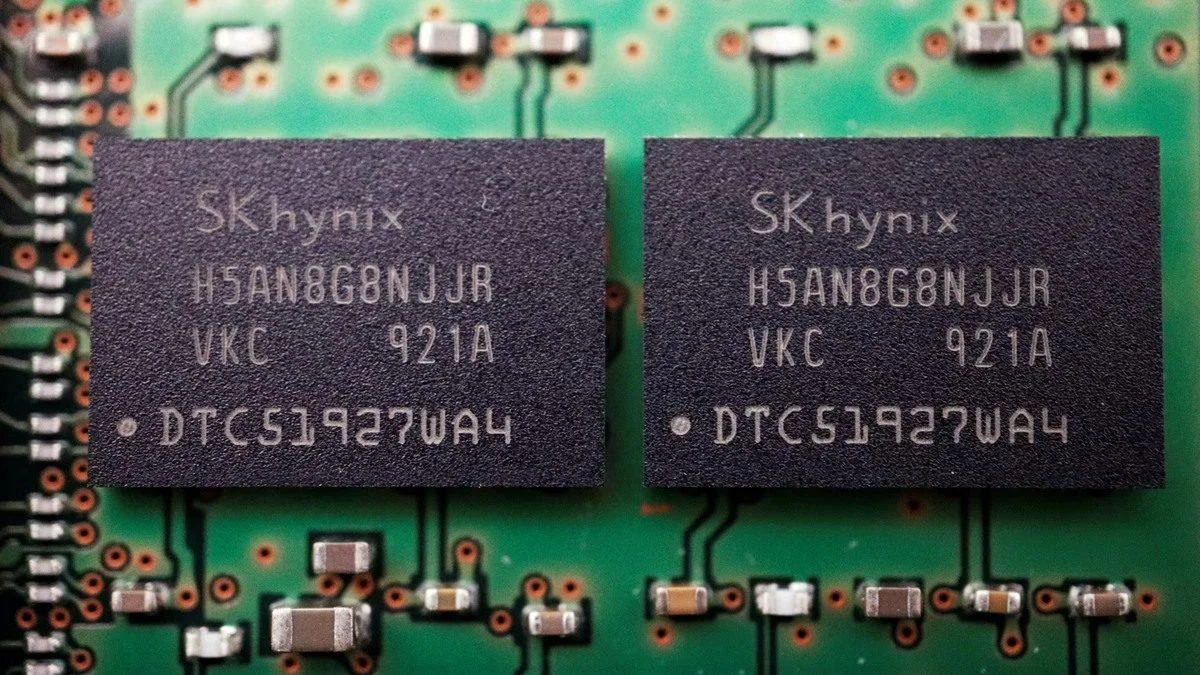
Under an internal project reportedly codenamed "Monami," Samsung is transforming its NAND production hub in the Chinese city of Xi'an. That facility alone accounts for roughly 40% of global NAND output and currently produces chips at around the 200-layer level. The target is 286-layer V9 NAND.
The timeline is clear: production is set to begin this December with a monthly capacity of 5,000 wafers, and by December 2027 that capacity is to be scaled up to 40,000 wafers per month. Company officials stress that the upgrade fully complies with US export regulations, that existing capacity is not being expanded, and that no new facility is being built from scratch. The aim, they say, is to meet global demand.
Raising the layer bar in Dalian
On the SK Hynix side, the action is in the Chinese city of Dalian. The company, which acquired Intel's NAND business in 2021 and consolidated it under the Solidigm brand, is preparing to raise its 192-layer chip fab to at least 240 layers.
According to information circulating within the industry, approval for production of up to 240 layers in Dalian is already in place. An application to Washington for permission to use the site for R&D processes involving chips above 300 layers may also be on the agenda. In addition, this infrastructure is expected to serve as a foundation for the new NAND fab the company plans to establish in the United States.
Competing in YMTC's shadow
Chinese memory maker YMTC is not standing still: the company already offers 160-, 232- and 294-layer products in its portfolio and is preparing to produce memory that crosses the 300-layer threshold. Samsung's and SK Hynix's answer is clear: bring the lines in China up to the advanced levels they run in South Korea, and don't give up market leadership.





Comments (0)
No comments yet. Be the first!