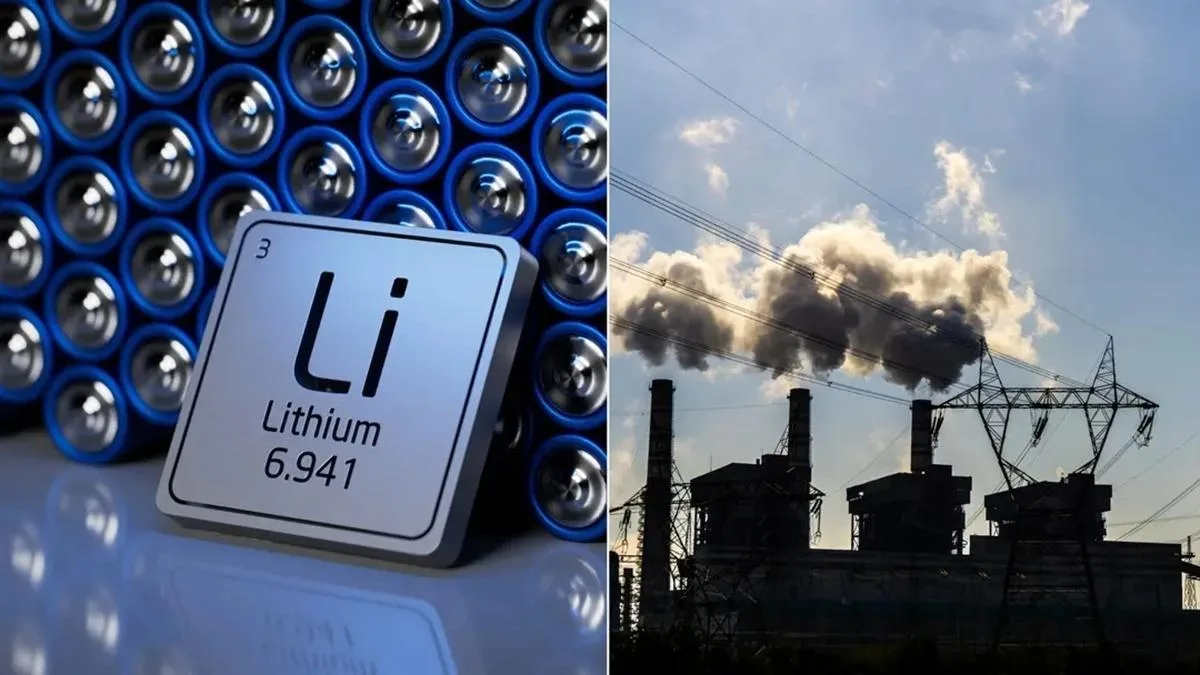

Lithium-ion batteries are the backbone of the electric vehicle revolution and renewable energy storage, and they are being produced in ever-greater volumes worldwide. But can the climate burden of manufacturing them be reduced? A team at the University of Melbourne set out to answer that question and arrived at a striking conclusion: greenhouse gas emissions from the battery supply chain could be cut by a third by 2050.
The researchers also stress that factors beyond manufacturing matter. How batteries are used and how long they last not only adds to the environmental benefit — it can multiply that effect over time.
The full life cycle under the microscope
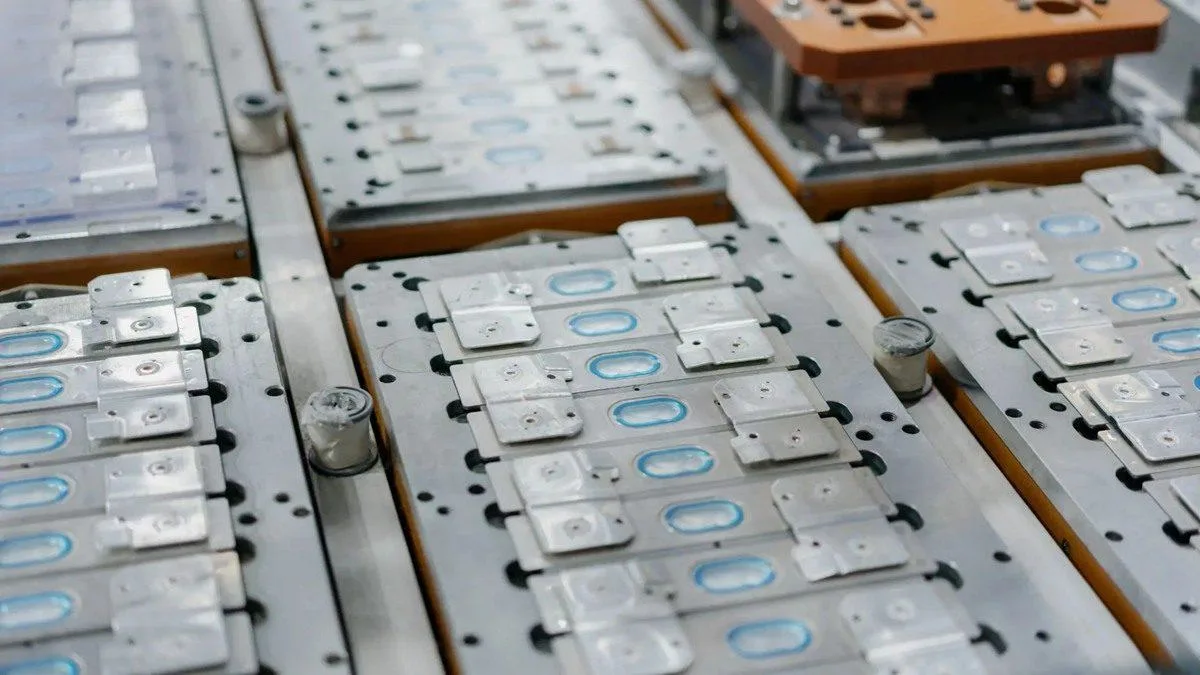
The team developed a model covering a battery's entire journey, from the mines where its raw materials are extracted to the recycling facilities where it ends up. The analysis was built on the International Energy Agency's forecast scenarios, with regional differences in electricity generation also factored in.
According to the model, shifting production lines to clean energy, improving factory efficiency, choosing battery chemistries with a lighter carbon footprint and expanding recycling could shrink a single battery's emissions footprint by up to 34% by 2050.
The bigger prize: curbing demand

What stands out in the study is the idea that battery demand can be reduced without slowing the pace of electrification. The researchers show that progress can be made on four fronts:
- Longer lifespans: If batteries are built to last as long as the vehicle itself, demand could fall by 29%.
- Reining in pack sizes: Stopping the steady growth in average pack sizes could reduce the need by 23%.
- The sharing economy: Wider adoption of vehicle sharing could lower demand by roughly 10%.
- Second lives: Repurposing batteries that finish their lives on the road for stationary storage could deliver an 8% reduction.
If all of these measures are implemented simultaneously, the study suggests that between 6 and 7.2 billion metric tons of carbon dioxide emissions could be avoided over the period from 2024 to 2050.




Comments (0)
No comments yet. Be the first!