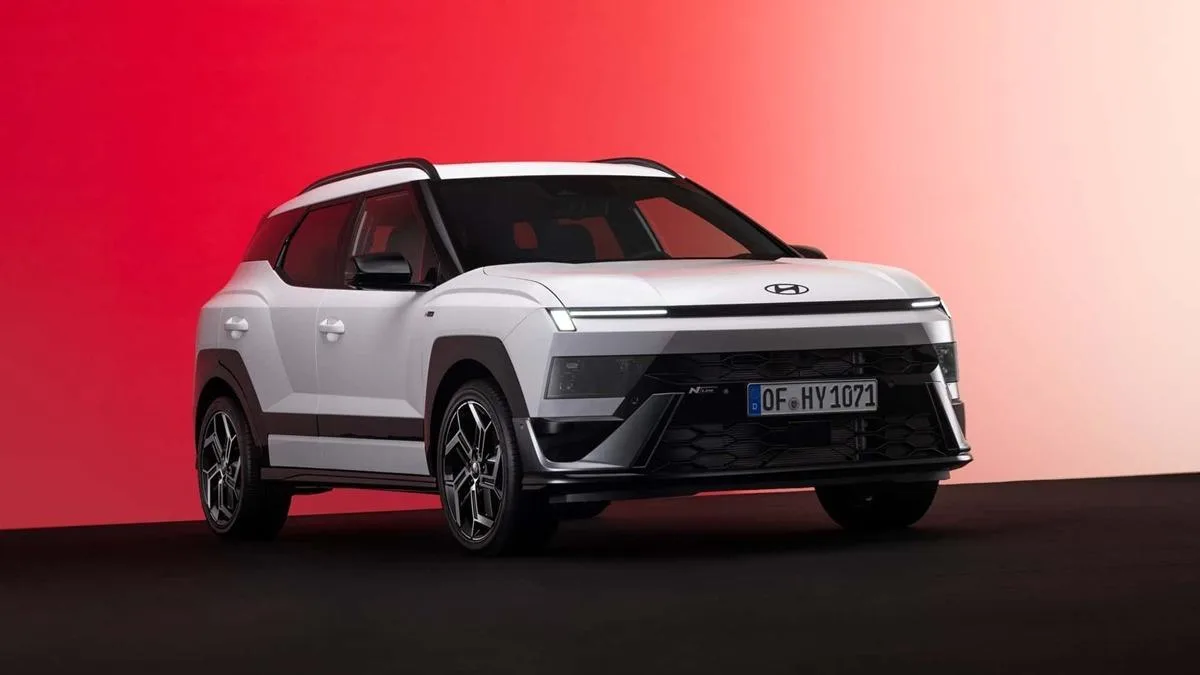

Hyundai is refreshing its lineup at pace as it overhauls its design language, and the latest model to get the treatment is the Bayon, the B-SUV built in Turkey. Where the first generation sat awkwardly between the Kona and the i20, the new car arrives with the brand's "Art of Steel" design language and a far more confident stance.
A more mature look
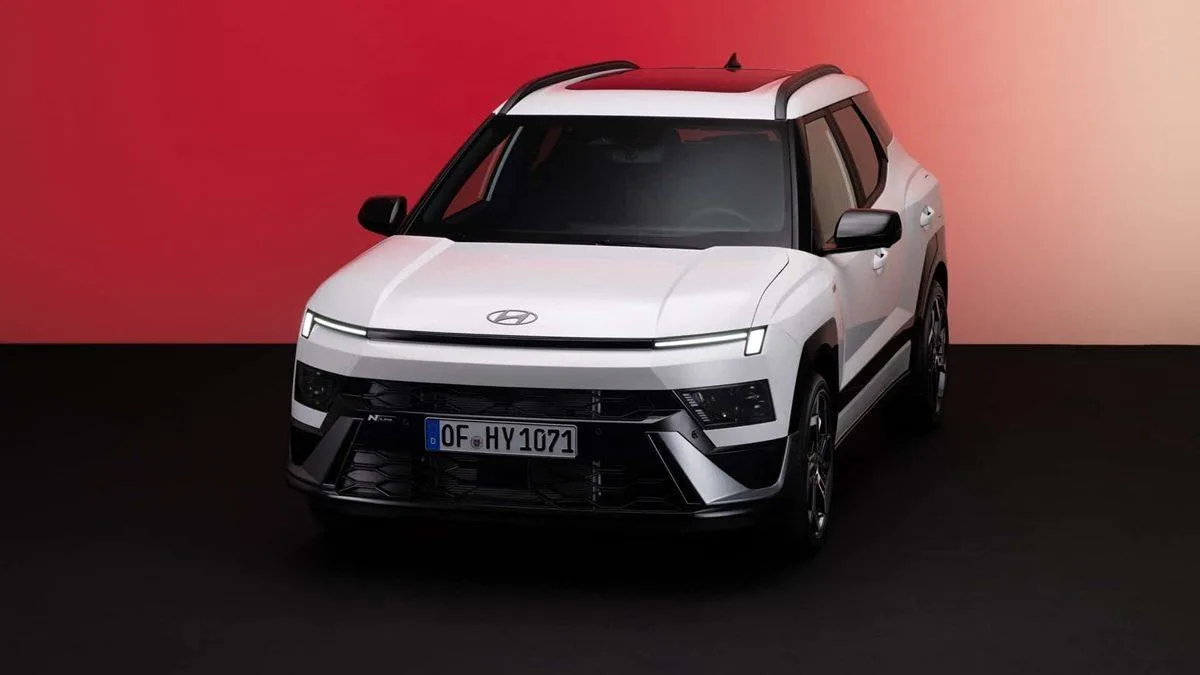
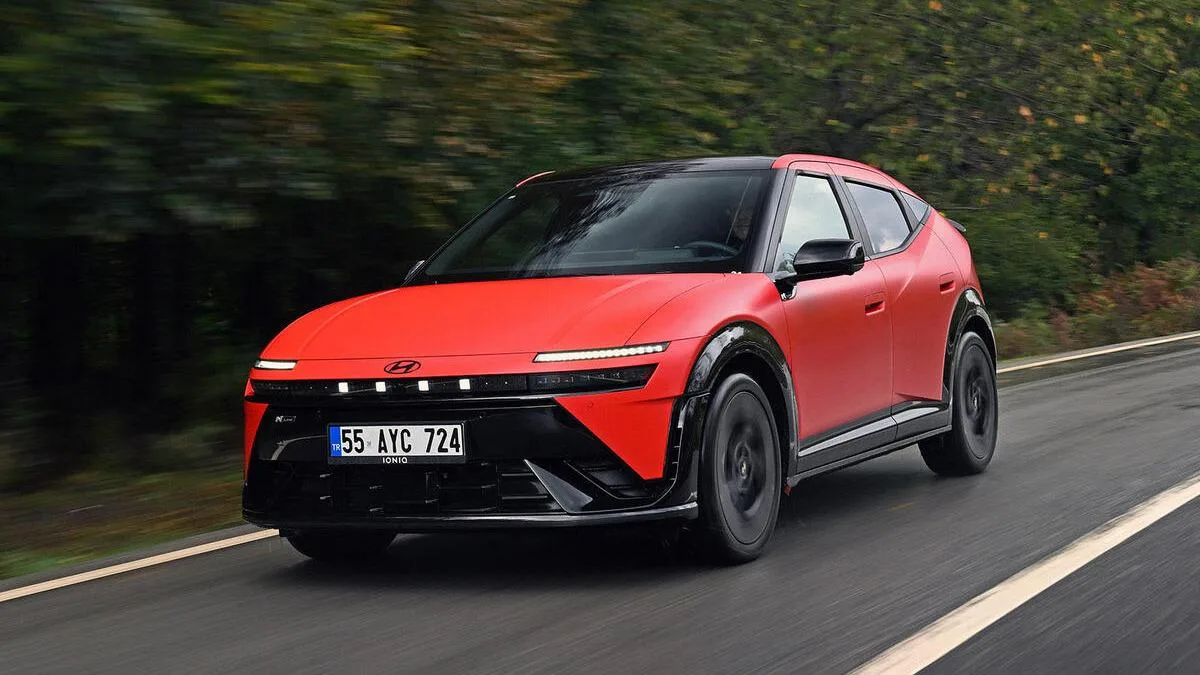
The new Bayon no longer reads as a jacked-up i20; it now carries genuine SUV character. Ride height is up, the front end features modern lines reminiscent of the Ioniq 3, and dynamic creases run across the body. Alloy wheel options go up to 18 inches.
The transformation is backed by serious growth. The model stretches by 650 mm to exceed 4,250 mm, bringing it close to the Kona. Width grows by 350 mm and height by 650 mm, while a wheelbase increase of more than 200 mm pushes the distance between the axles beyond 2,600 mm.
A tech-packed cabin
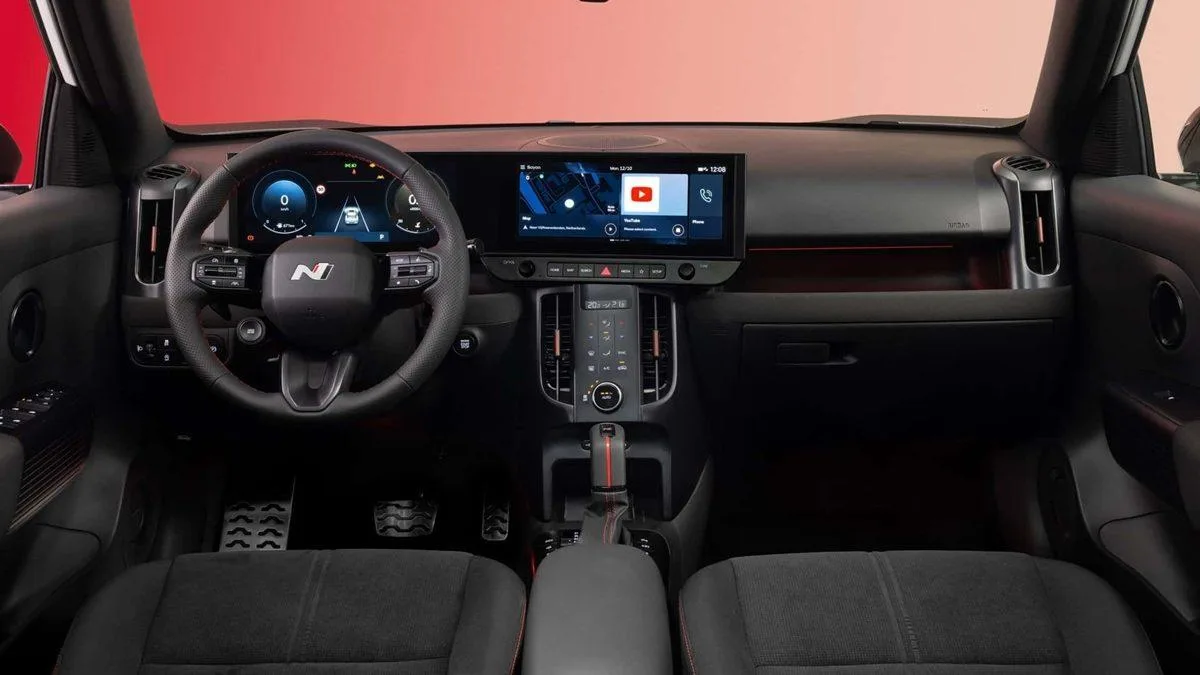
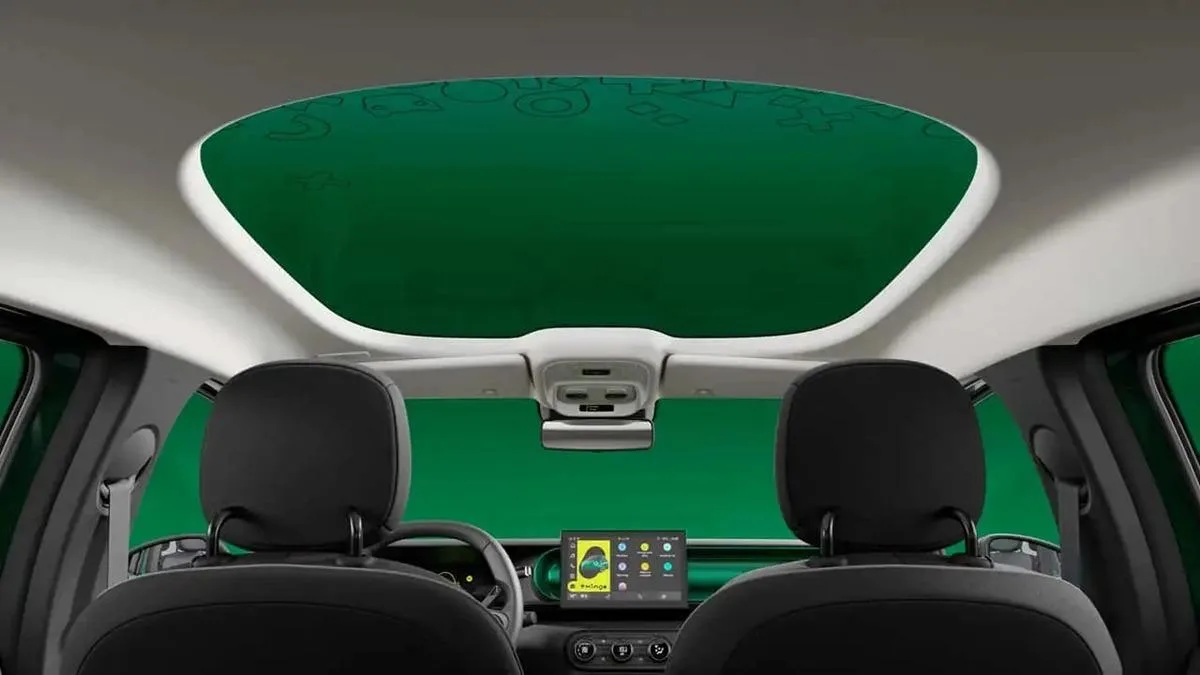
The larger exterior dimensions translate directly into more space and comfort. Boot capacity reaches 440 litres, and top trims combine a 12.3-inch multimedia screen with a digital instrument cluster in a single curved panel.
Physical buttons — an ergonomic plus — have been retained. Wireless charging, wireless Apple CarPlay / Android Auto support and Hyundai Digital Key 2.0 smartphone integration are all included in the standard packages.
A wider engine lineup
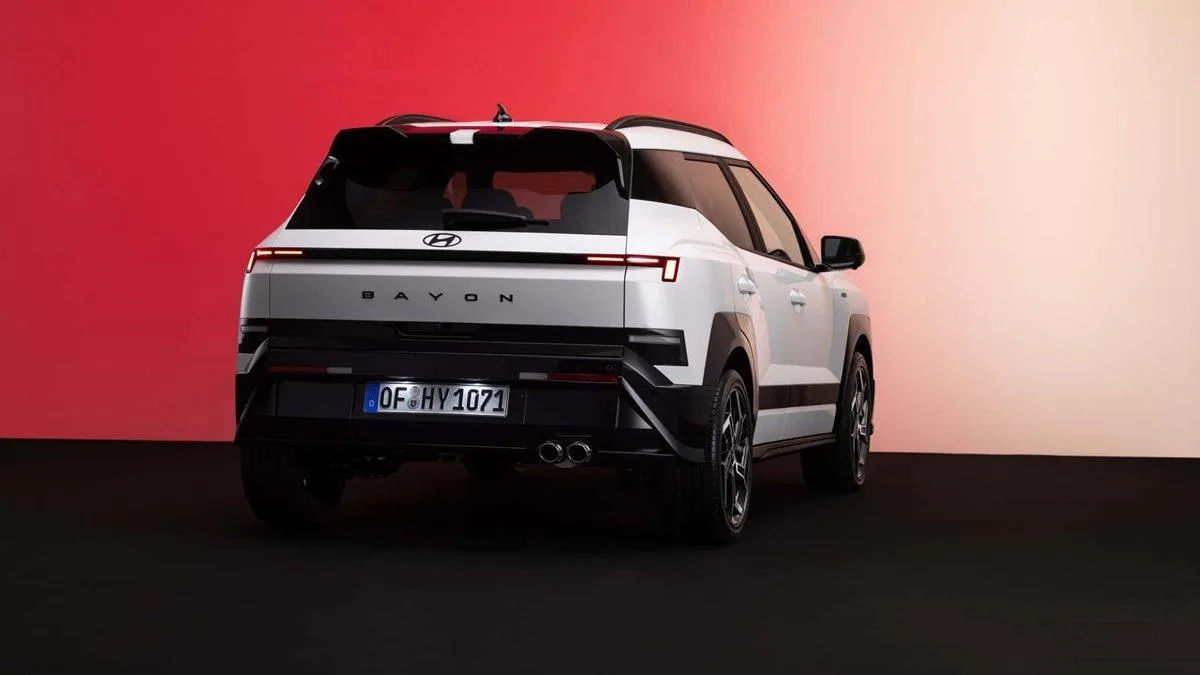
Criticised in its first generation for a narrow range of engines, the Bayon this time offers buyers two paths:
- 1.0 T-GDI petrol: The entry level produces 90 hp with a 6-speed manual, while the more powerful 115 hp version comes with a 7-speed dual-clutch (DCT) automatic in higher trims.
- 1.6 Hybrid: A full-hybrid option to be added to the lineup later, pairing a 1.6-litre GDI engine with an electric motor for a combined 138 hp.
Production of the new Bayon will continue at the factory in Turkey, and the model is expected to reach the roads in the first quarter of 2027.
Comments (0)
No comments yet. Be the first!