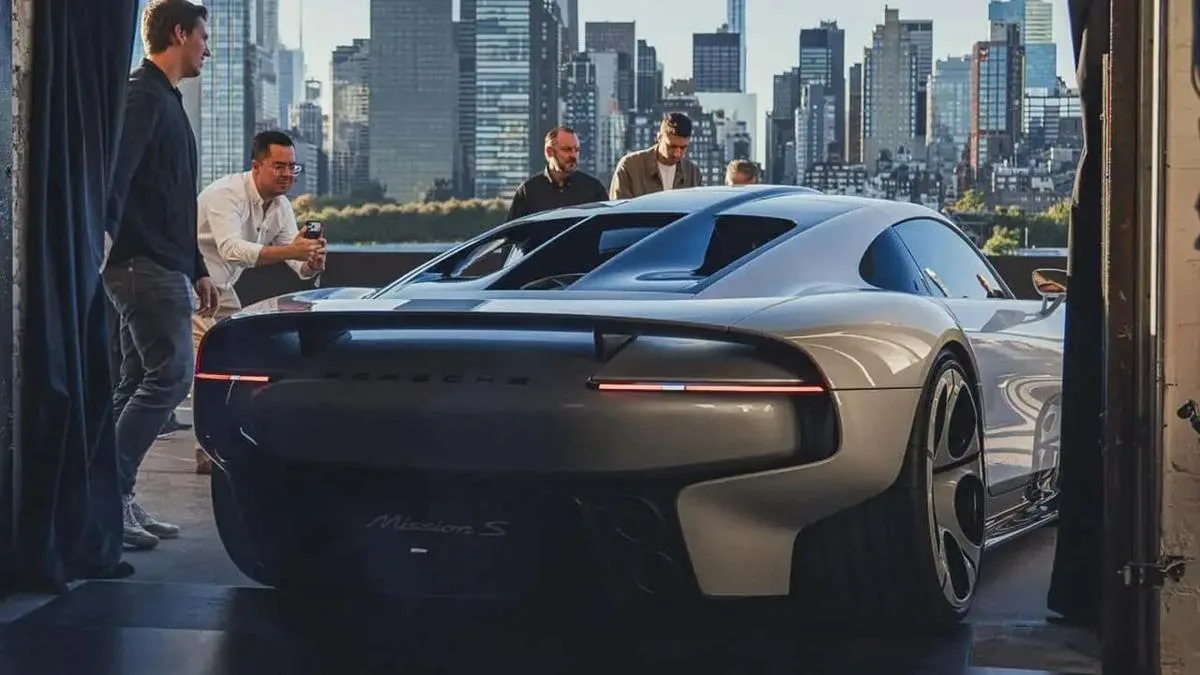

Porsche has made significant strides in its electrification journey with the Taycan and the Macan, and was preparing to take the 718 lineup fully electric. But at the very top of its product range, the company is drawing the line somewhere else entirely: the upcoming supercar will not arrive with a fully electric version.
Speaking about the new mid-engined flagship that will sit above the iconic 911, CEO Michael Leiters was blunt about the reasoning: “There will be no fully electric version on this platform, because there is no customer demand for an electric model in this segment.”
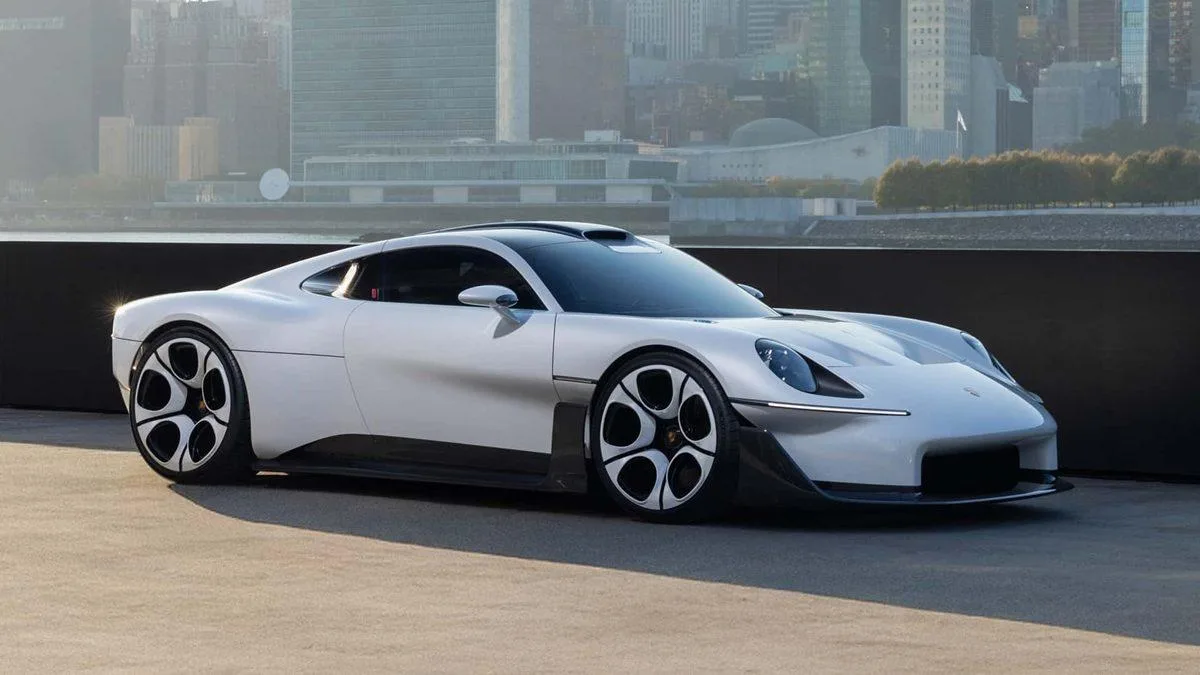
Powertrain options remain vague, but combustion is a certainty
Leiters acknowledges the difference between electric models aimed at the mass market and the importance of internal combustion in the super sports segment. For this project, the company is putting customer expectations at the center.
The new architecture, codenamed “Mission S,” is designed to offer a high degree of flexibility: it will support pure internal combustion engines, conventional hybrid systems, and plug-in hybrid (PHEV) solutions. Porsche has not yet revealed the final powertrain, but it is now clear the car will be built around a combustion engine rather than a heavy battery pack. The brand sees that buyers at the top of the market want engine sound, instant response and driving character, and is avoiding forcing electric power on them.
Not just Porsche: an industry-wide retreat
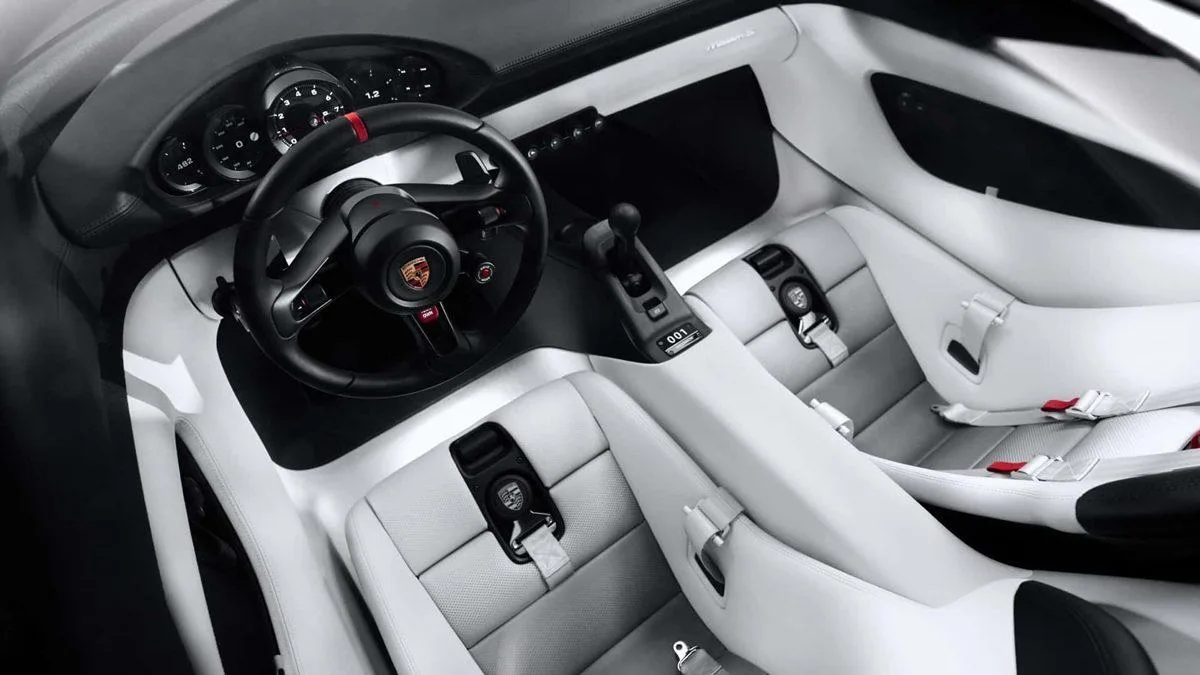
The lack of interest in electric models in the super and hypercar world is not unique to Porsche. Lamborghini's boss Stephan Winkelmann has described electric vehicles as “an expensive hobby,” saying the market and its customer base are not yet ready. As a result, the 2+2-seat Lanzador is being reworked as a hybrid rather than a fully electric model.
Pagani has taken a similar path: years of work on an electric Utopia were shelved after no demand materialized from dealers or wealthy customers. Croatian manufacturer Rimac, meanwhile, had to end production of the Nevera at 71 units instead of the 150 originally planned, due to insufficient demand. All of these examples point to the same conclusion: at the top of the market, the soul and the roar of the internal combustion engine remain indispensable.
Comments (0)
No comments yet. Be the first!