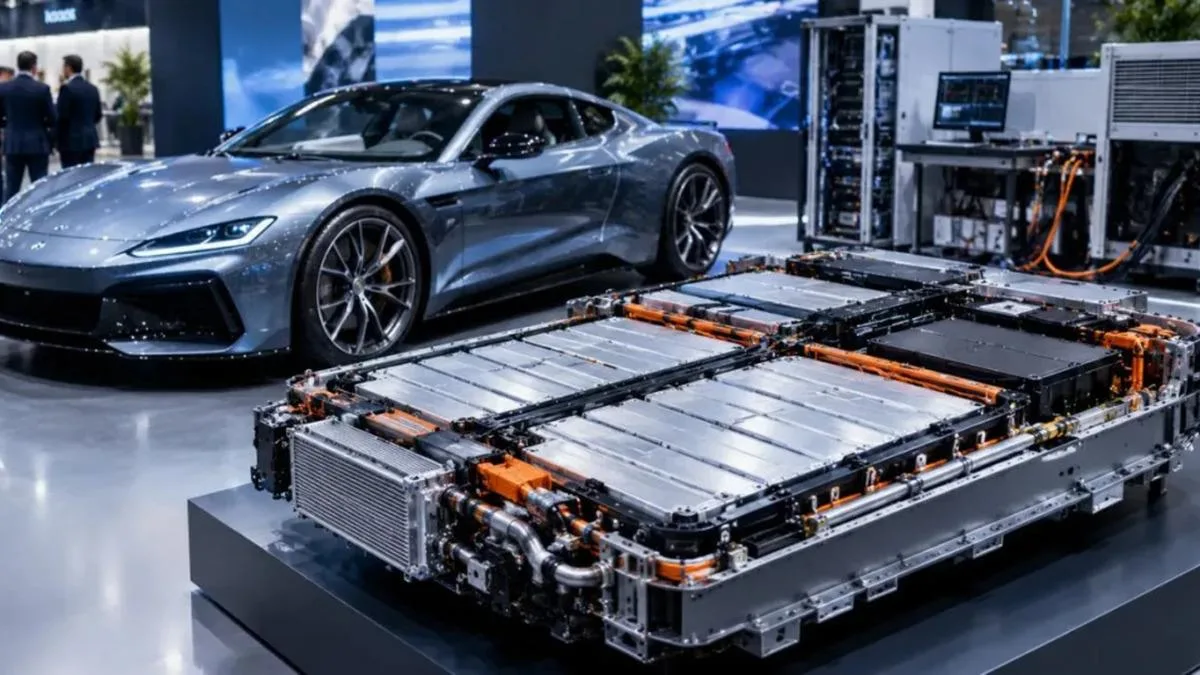

In electric cars, the battery's weight shapes far more than range — it influences the entire design of the vehicle. The heavier the pack, the more mass the car has to carry, and the lower its efficiency. That is exactly where manufacturers are focusing their search for answers: more distance from less weight.
Taiwan-based energy company ProLogium and Croatia's Rimac have presented a joint battery design aimed at that challenge at the Paris Motor Show. Currently on display only as a mock-up, the system breaks away from conventional battery packs by fundamentally changing how cells are integrated into the vehicle.
Flexible packs instead of heavy housings
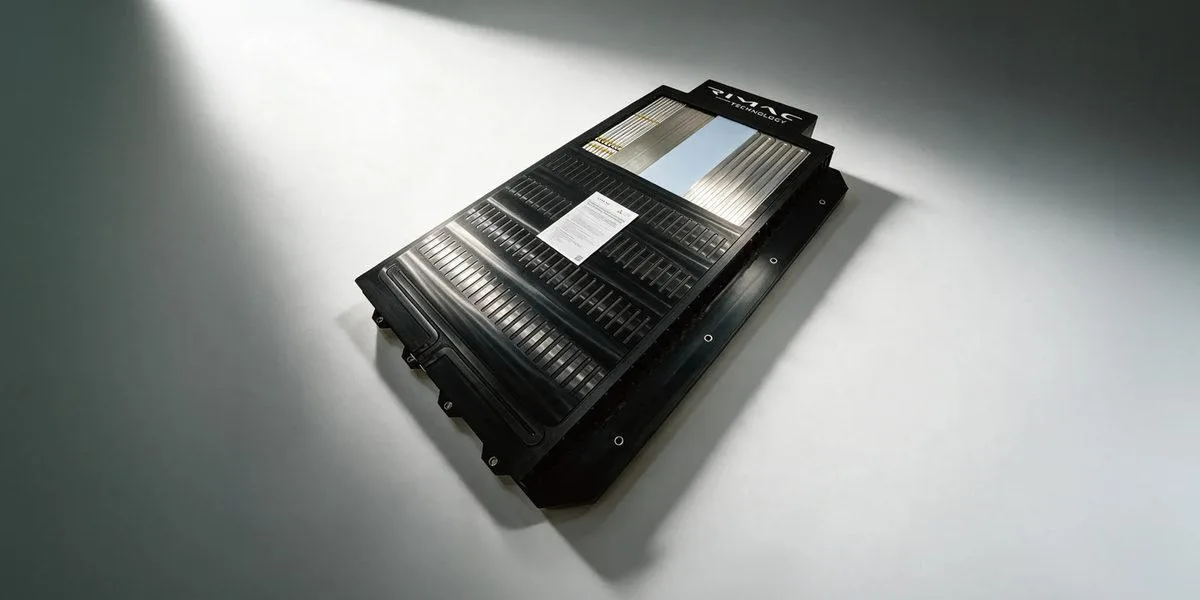
In this next-generation solid-state battery approach, the cells are integrated directly into the battery system as flat, flexible packs, replacing the traditional heavy metal enclosures. This gives carmakers two options: longer range at the same weight, or a lighter vehicle with the same range.
A testing timeline takes shape
According to the companies' plan, the mock-up will be turned into a working system in early 2027. Later that year, the goal is to produce a battery ready to be integrated into cars.
Once laboratory and safety testing is complete, road tests in real vehicles are expected to begin toward the end of 2028.


Comments (0)
No comments yet. Be the first!