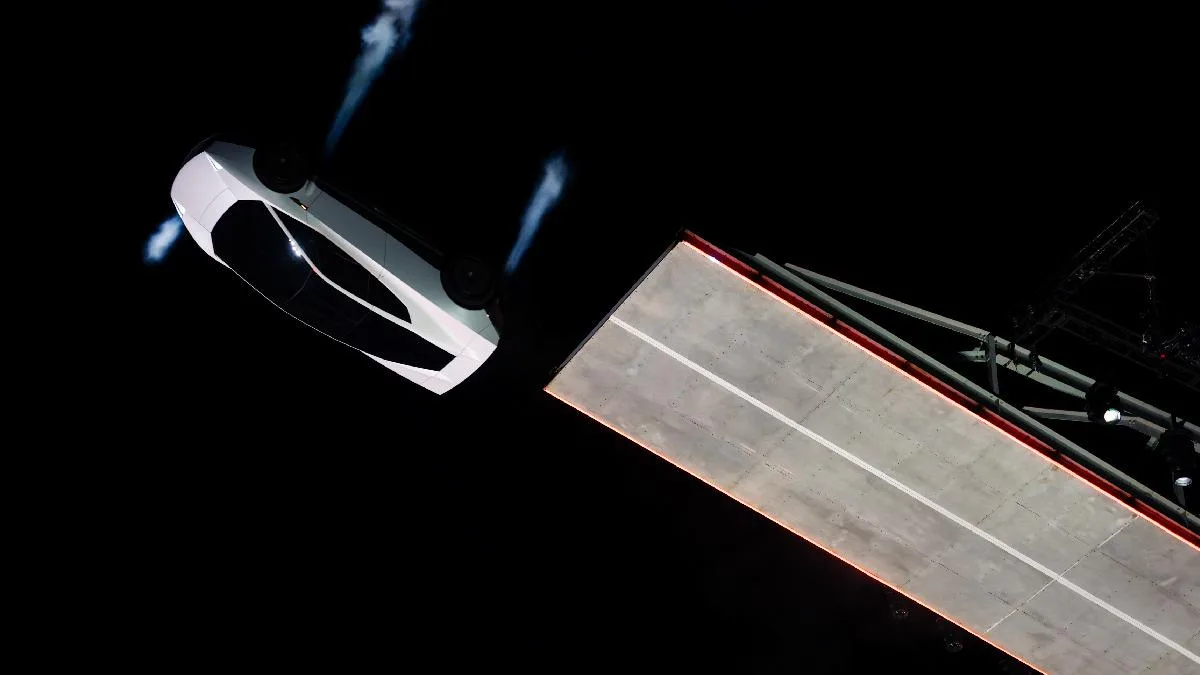

Tesla unveiled the long-awaited new Roadster at an event last week — but this launch was unlike any other. Equipped with cold air thrusters, the car rose into the air, performed maneuvers mid-flight and landed in a controlled descent. Tesla also announced that the car accelerates from 0 to 100 km/h in 0.81 seconds.
The stunt immediately set social media alight with competing claims: some insisted the footage was AI-generated, others argued the technology defies the laws of physics, and still others claimed the car will never actually go on sale. Here's what we know about each of those claims.
Are the videos real?
The claim that the Roadster videos are fake is the weakest of the bunch, because all of the footage in circulation is genuine. Tesla carried out the demos live at an event in the state of Texas.
The flights took place during the launch itself, watched in person by a large audience of press representatives and tech enthusiasts. Numerous videos shot by attendees on their phones have also spread across the internet.
Elon Musk had said the team anticipated the demo would draw this much attention, which is why they staged the event live in front of an audience — so that people wouldn't assume the footage was AI.
How does the car get off the ground?
Others focused on the car's weight. One user wrote on social media: "Do people have no sense of weight at all? You can't fly a 2,000-3,000 kilo object in the air with air thrusters. It's a helium-filled balloon dressed up as a car."
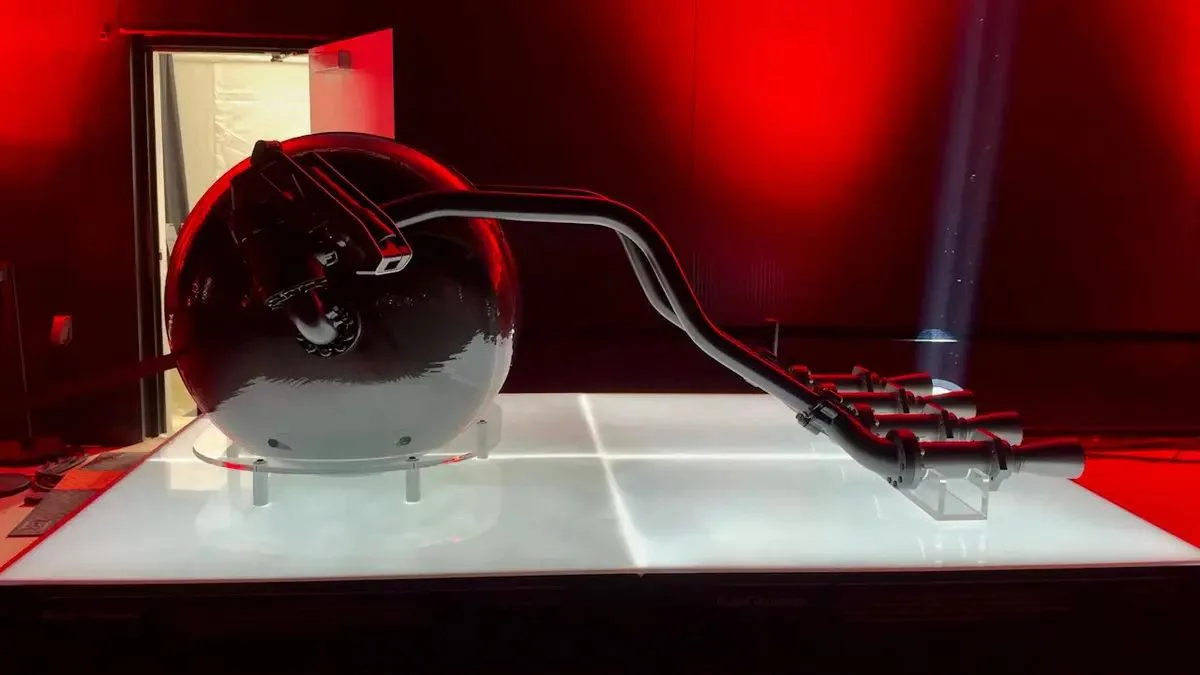
That criticism, however, rests on a false premise. As part of its partnership with SpaceX, Tesla adapted a technology used in rockets for the Roadster. The car carries 600-liter high-pressure air tanks. Air from the tanks is expelled through 10 nozzles, enabling short hops into the air, sudden mid-air maneuvers and soft landings. Tesla had shown the tank in detail during the presentation.
The real question: will it ever go on sale?
The most striking claim concerns whether the car will ever reach production. Many people — including the author of one widely shared post — believe this science-fiction-looking vehicle will never reach mass production. There may be some merit to that view.
The same user described the technology's challenges this way: "Cool party trick. Great overhyped marketing. Now time to be that guy everyone hates - This is a scam and this will never ship. The external compressor and cooling system to fill the tank once would probably cost more than the car. A multi-stage compressor and heat exchanger setup that fits in the car would take days to the better part of a week of continuous running for a single charge."
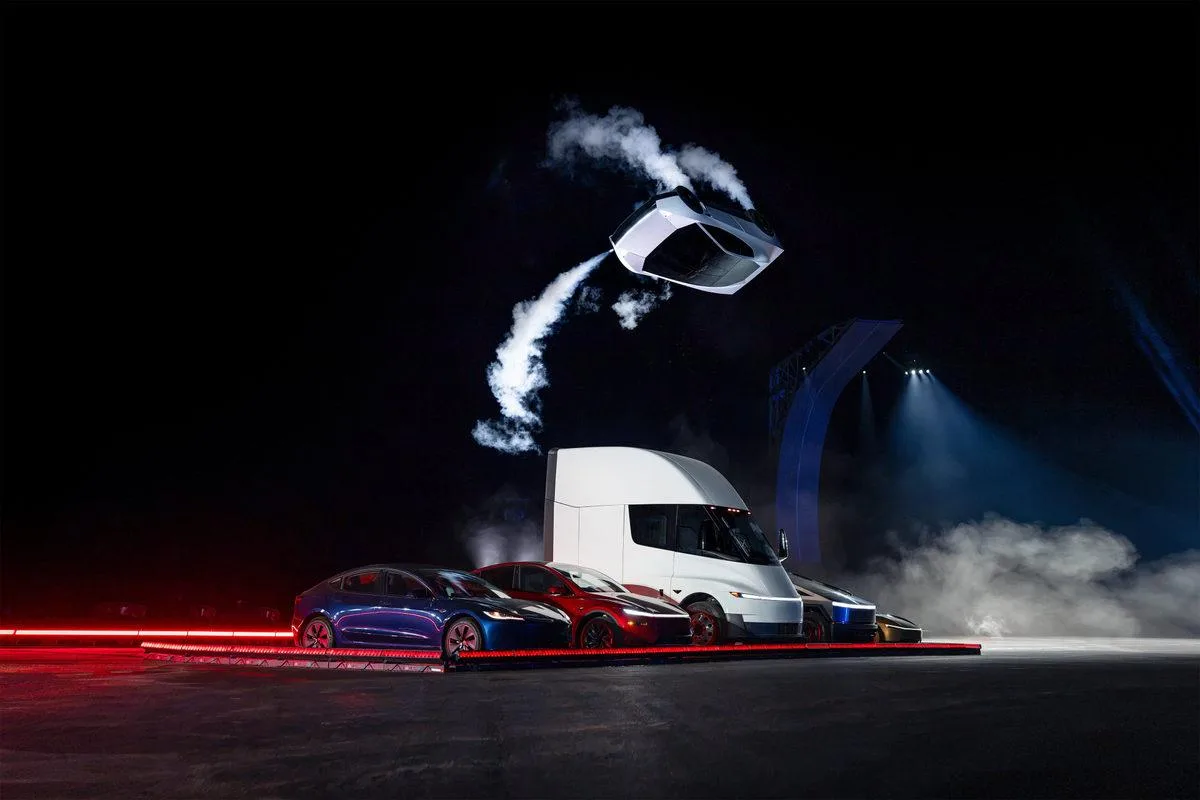
The user accused Tesla of fraud, arguing the launch was merely a flashy marketing move designed to excite fans and shareholders. He also said he suspected the prototype lacks a full battery pack to keep the vehicle light.
Verifying or refuting that claim is beyond our reach. What we do know is this: the Roadster will be offered in three versions. The Performance and Thrust models will be conventional cars with no flying capability, and both are definitely coming to market.
For the Rocket version, Tesla is pointing to 2028. The model was said to be purchasable by invitation only, and its price can be expected to be very high. Musk said years ago that cold air thrusters would be added to the car — and he actually delivered on that promise, so it's hard to dismiss the Rocket's chances. The most plausible scenario is that the model won't be mass-produced but sold in very small numbers as an extremely expensive vehicle. Time will tell.



Comments (0)
No comments yet. Be the first!