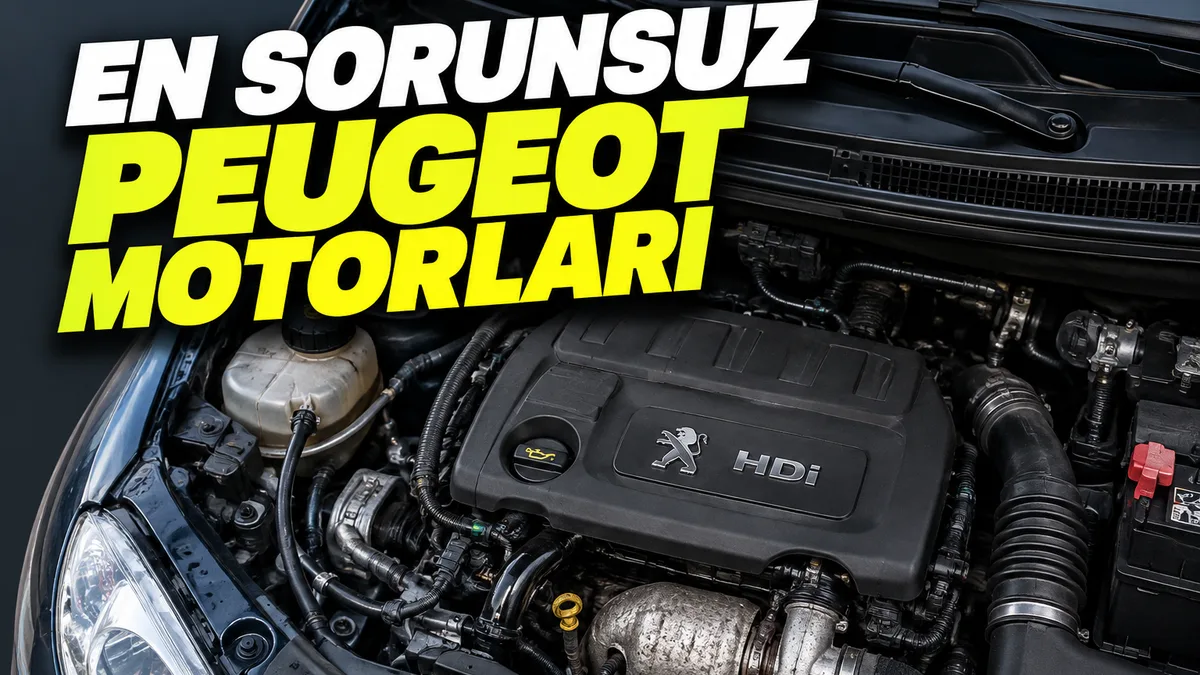

When shopping for a used car, the choice of engine can matter more than the choice of model itself. Different units offered in the same car can differ dramatically in longevity, servicing costs and the likelihood of recurring faults.
In this respect, Peugeot has built a strong reputation with its older naturally aspirated petrol engines and certain versions of the 2.0 HDi family. These units, many of which are still racking up serious mileage today, are counted among the brand's most reliable components thanks to their simple mechanical architecture. So which engines should you target when hunting for a used Peugeot?
The long-lived names on the petrol side
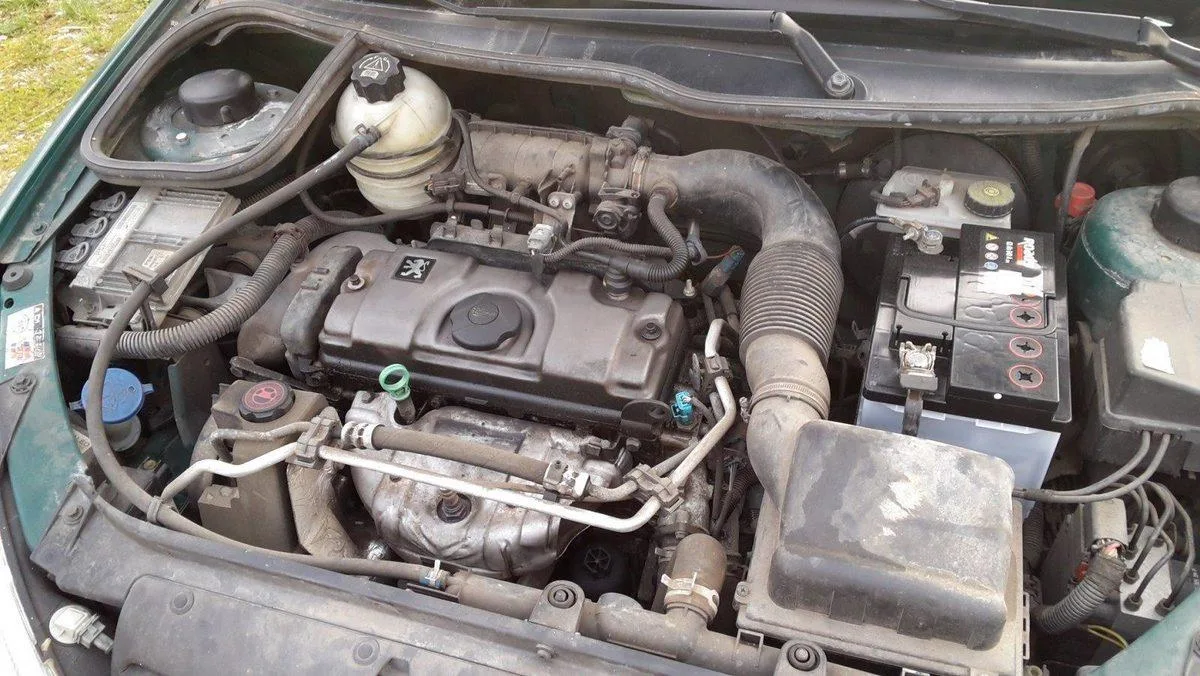
Among the petrol options, the ones famous for their longevity are largely naturally aspirated engines that avoid turbos and complex direct injection. Mechanical simplicity keeps repair costs down while significantly reducing the risk of recurring failures.
At the top of the list sits the 1.6 16V (TU5JP4). Also known by its NFU engine code, and powering models such as the 206, 307 and Partner, this unit produces around 110 hp from its small displacement. Its trouble-free compatibility with LPG — and its ability to withstand even neglected maintenance — made it a long-standing favorite in Turkey. Provided the timing belt schedule is followed, owners say it can keep a car out of the workshop for years.
For those after frugality, the 1.4 8V (TU3JP) is a sensible candidate. This 8-valve engine, producing roughly 75 hp, runs economically in city driving in lightweight cars like the 206. The absence of failure-prone features such as variable valve technology, combined with cheap spare parts, keeps running costs noticeably low.
Drivers wanting more performance can consider the 2.0 16V (EW10J4). Found in the 206 GTI, 307 and 406, this 136 hp naturally aspirated unit was a strong-for-its-era and relatively simple option without a turbo. Watch for slight oil consumption and coil sensitivity in high-mileage examples, and it delivers enjoyable driving for a long time.
Diesel mileage records
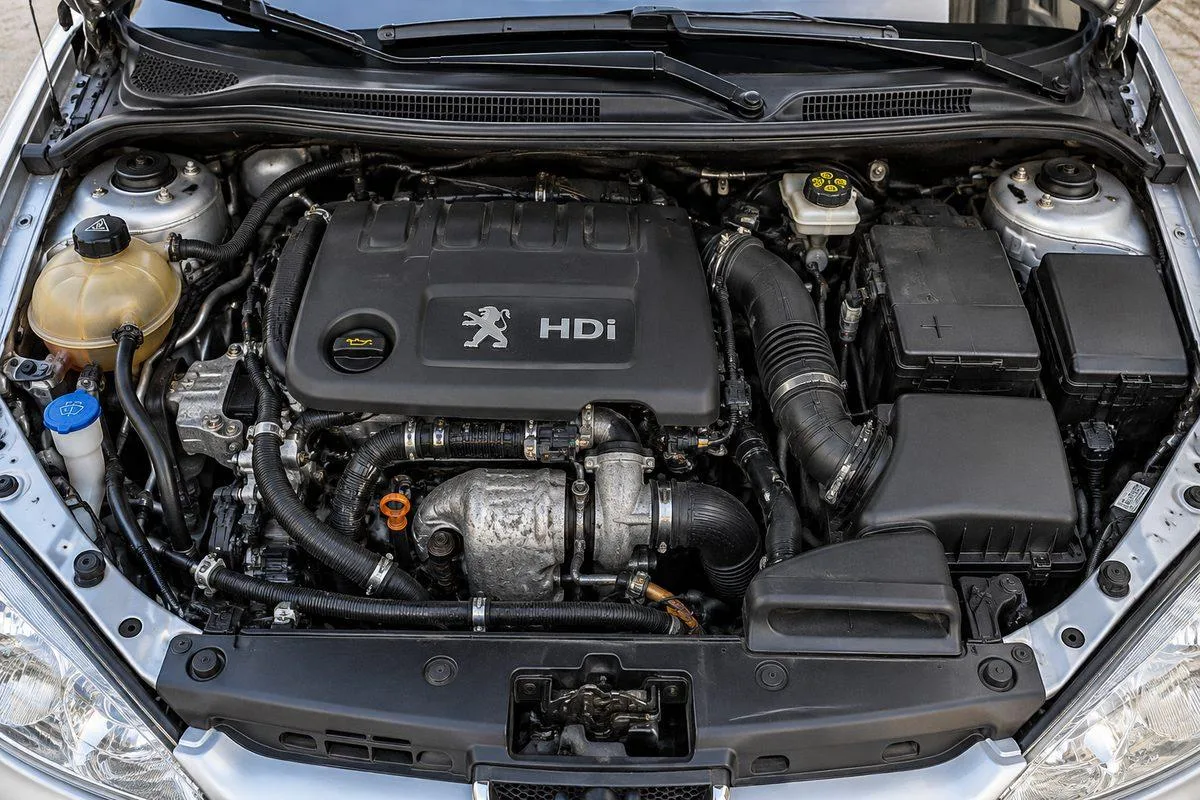
Peugeot is equally strong on the diesel side. Units that combine high torque with low fuel consumption, built on robust cast-iron blocks, still sit at the top of mileage rankings.
The undisputed leader here is the 2.0 HDi (DW10) family. Serving in countless models since 1998, the family — especially the 90 hp first-generation DW10TD version — earned fame for completing 1 million kilometers without ever needing an engine overhaul. Its resistance to high pressure and poor fuel quality has made it the brand's most legendary diesel.
Going further back in time, we meet the 1.9 D (DW8). Naturally aspirated and extremely simple, this engine carries none of the equipment that generates costs in modern diesels — no turbo, no common-rail injection, no particulate filter. Its performance lags behind modern standards, but with no extra components to break down, it is practically a tank when it comes to durability.
Things you can't ignore, even in the toughest engine
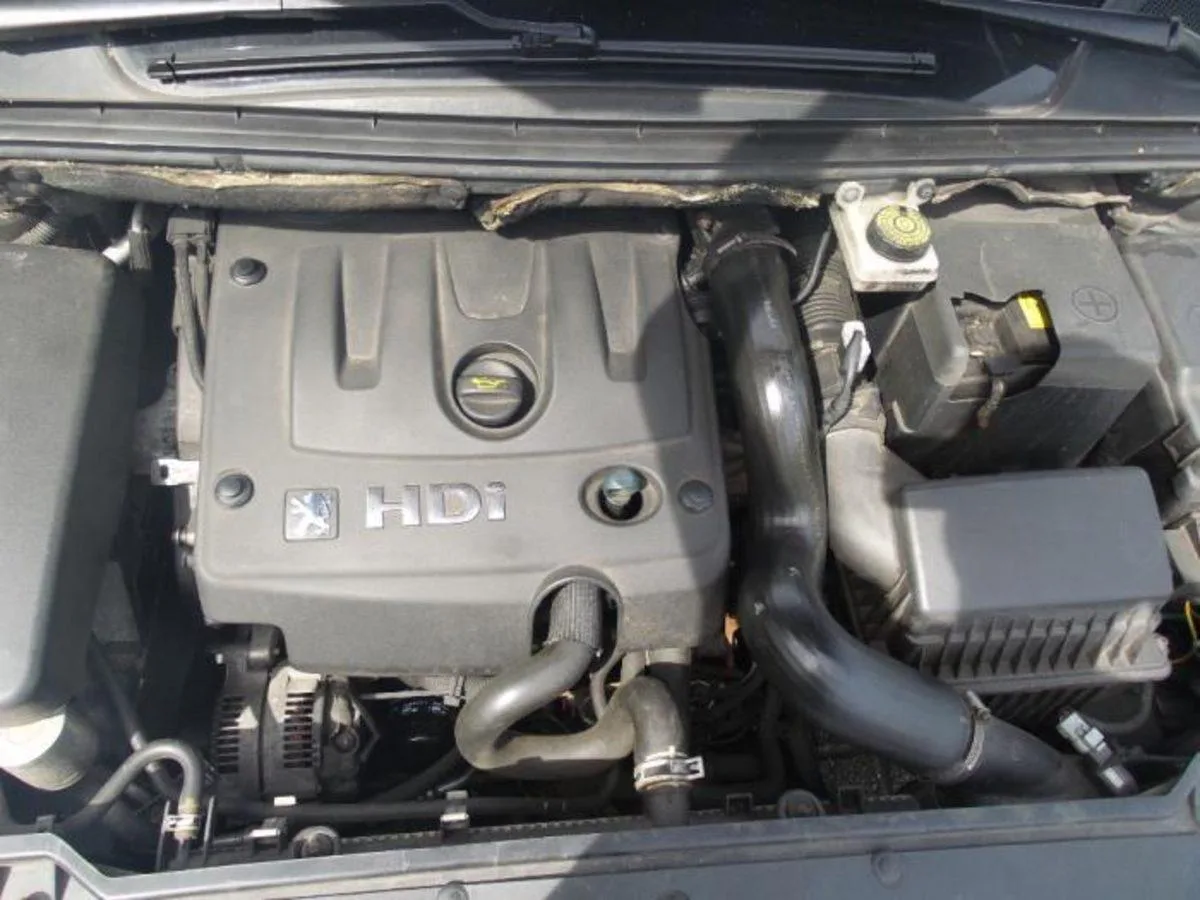
Owning — or buying — a Peugeot engine that has conquered millions of kilometers is no excuse to skimp on maintenance. Even the most durable blocks in the automotive world are not immune to neglect, and some oversights can turn into major expenses. Here are the key points to watch for a long engine life:
- Timing belt and water pump: In naturally aspirated units like the TU5JP4 or TU3, a snapped belt can bend the valves and damage the cylinder head. Replacing the water pump along with the belt, before the interval is missed, is essential.
- Antifreeze and coolant: In aging blocks (such as the TU3JP and EW10J4), using tap water can rot the head gasket and pave the way for corrosion. Don't compromise on quality red/organic antifreeze to keep oil and coolant from mixing.
- Head gasket and oil leaks: In older 1.4 and 1.6 naturally aspirated engines, age-related seepage or minor oil leaks can appear around the gasket. Regularly checking the oil level is the first requirement for preventing the engine from running dry and spinning a bearing.
- Oil quality on diesels: In the 2.0 HDi and its derivatives, no matter how solid the block, the wrong viscosity or poor-quality oil can cause carbon buildup in the turbo's oiling channels. Quality oil and an original oil filter protect both the turbo and the injectors.
- Ignition and throttle body maintenance: In petrol engines, a faulty or low-quality coil can cause misfiring. On LPG conversions, a dirty throttle body can cause idle fluctuation; regular cleaning noticeably smooths the engine's operation.






Comments (0)
No comments yet. Be the first!