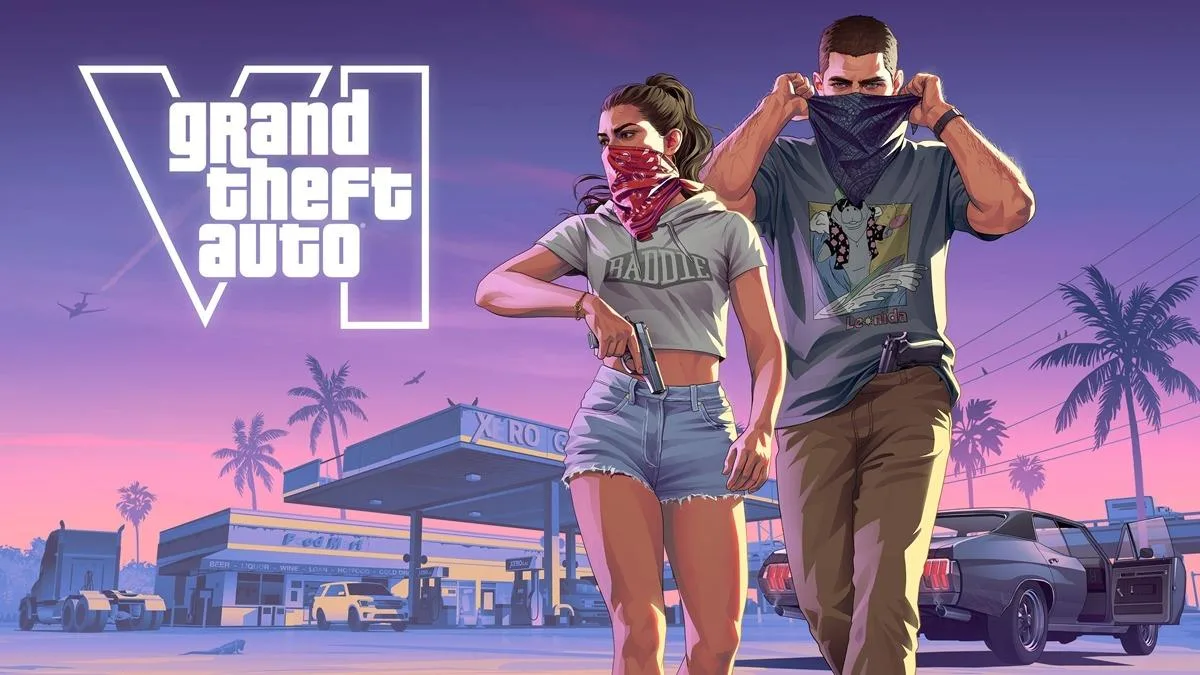

Bloomberg journalist Jason Schreier has published a deeply reported feature following visits to Rockstar Games' offices, shedding light on why GTA 6 has taken so long to make. The piece covers the studio's working culture, the fallout from major leaks, and the reasoning behind the game's repeated delays.
An eight-year journey and a shrinking map
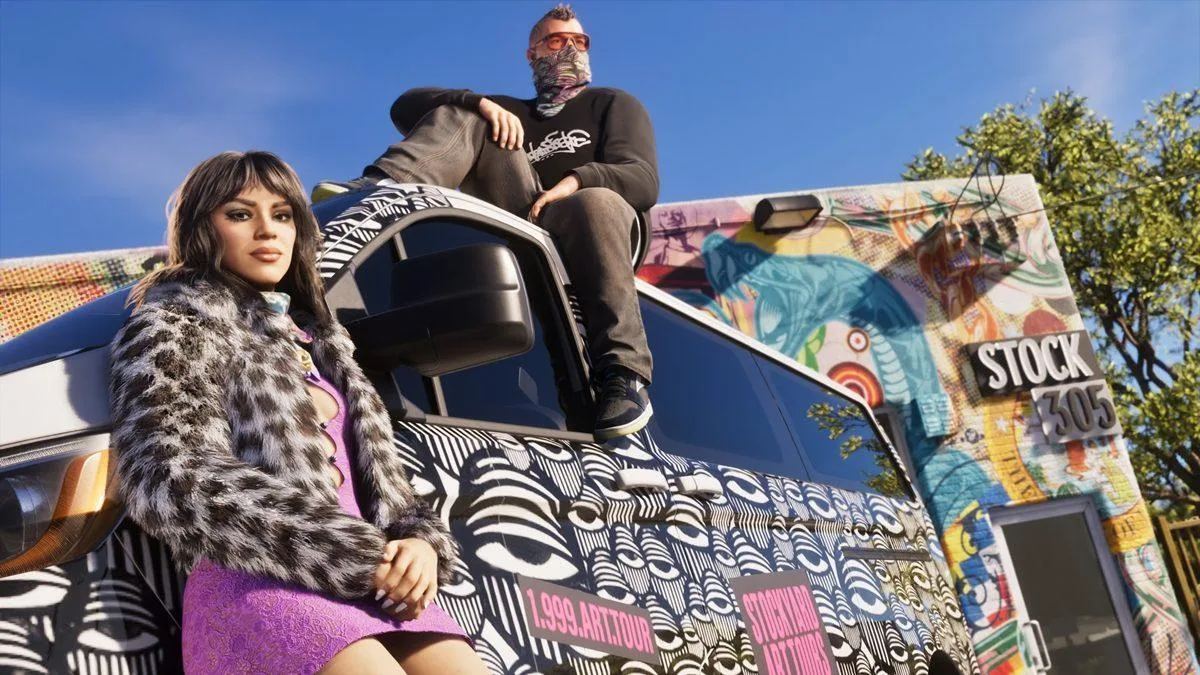
GTA 6 has been in active development for more than eight years, making it the most ambitious project in Rockstar's history. The game was originally planned to cover vast regions of North and South America, but its scope was gradually narrowed to focus on Vice City (Miami) and its surroundings.
The company had considered developing the game in parallel with Red Dead Redemption 2, but because RDR2 consumed most of the studio's resources, GTA 6 was pushed back. After that experience, Rockstar now concentrates its staff on a single major project at a time. The workforce has also nearly doubled: from 2,441 people in 2018 to 4,711 spread across 12 offices in 2026.
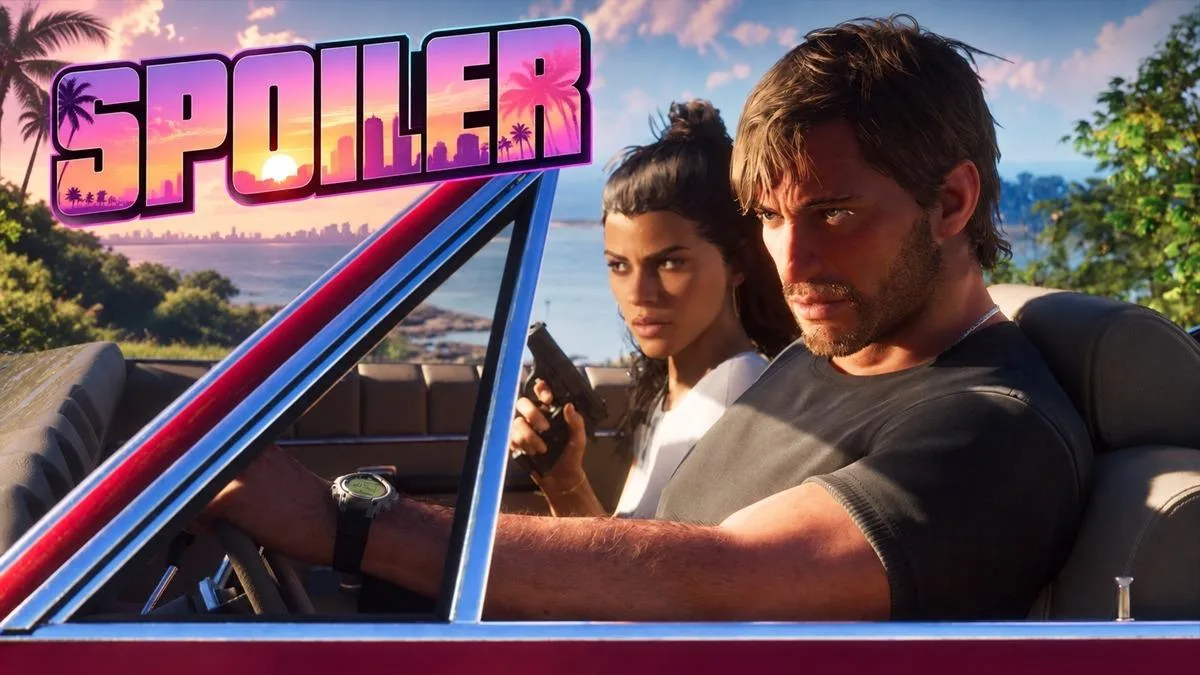
One notable detail: the game has no single director. Development is led by a trio of Rob Nelson, Aaron Garbut and Phil Hooker. The core structure of the story, centered on Jason Duval and Lucia Caminos, was set toward the end of 2019. The early phase, when the vision had not yet crystallized, was referred to internally as the "dark period"; by 2022, the systems began to take shape.
A living world
GTA 6 is set to deliver Rockstar's most realistic and detailed open world yet. Its systems are largely built on technologies developed for RDR2. The company has invested heavily in making NPCs feel believable, aiming to greet players not with generic characters but with the sense of a living world.
Jason and Lucia can spend time together not only in story missions but also in the open world. A player controlling Jason can message Lucia to arrange a meetup. Enabling this natural behavior required years of complex AI work, and Rockstar views the dynamic interaction between the pair as one of the game's biggest innovations.
Developers also struggled to strike a balance between realism and fun. How much interaction players should have with everyday activities, such as buying drinks or preparing meals, was debated at length.
Two hours without reaching a story mission
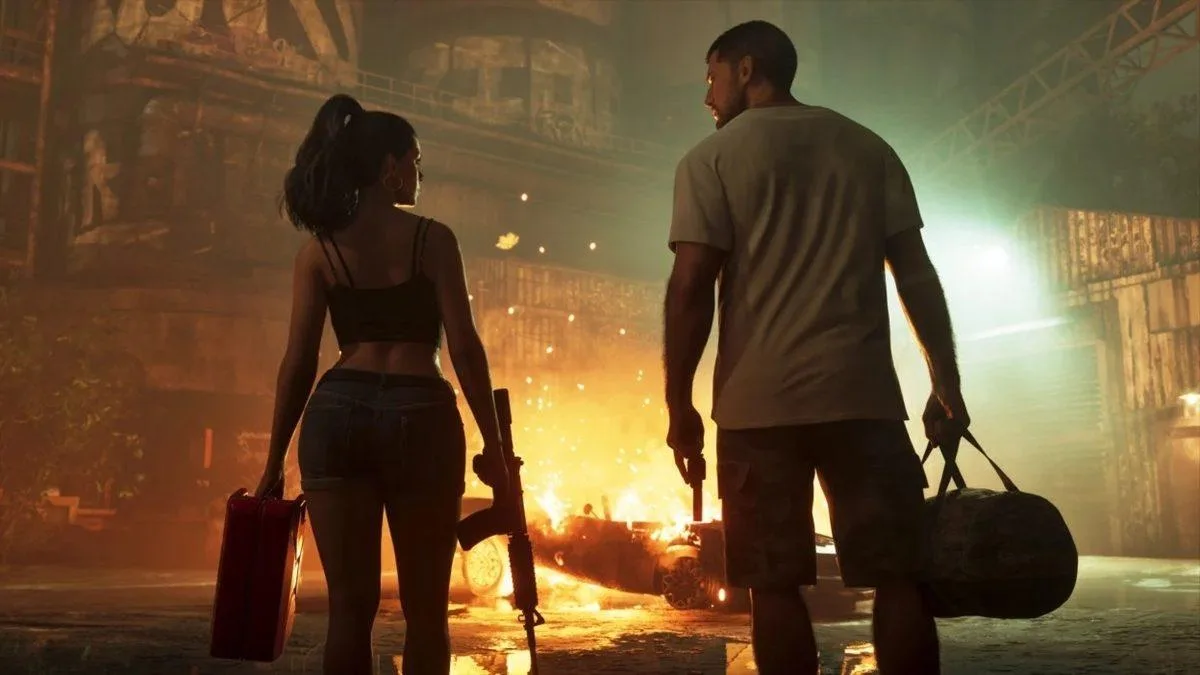
Bloomberg was shown a hands-off demo by Phil Hooker. Entirely spontaneous, the session revealed how the game's systems trigger one another: Hooker accidentally hit a driver, got into a conflict at a convenience store where he went to heal after an NPC insulted him, then robbed the store because no one was at the register. Fleeing police, he abandoned his vehicle, stole a valuable car to sell, and followed a car blasting loud music to discover a compound full of valuables. He sold the goods to a fence and obtained a new activity lead.
The result? Hooker spent a full two hours without reaching the story mission he had planned to test. The developer said the experience was one of the moments that convinced the team they had built something special. NPC behavior, police responses, and the interplay of exploration and criminal opportunity form the foundation of this emergent gameplay.
To meet the demand for NPC content, Rockstar opened a new studio in Los Angeles where writers, producers and directors work. According to management, the delay stemmed not from a single technical issue but from the complexity of getting all systems to work in harmony. Design decisions kept changing even in the final months of development, and Rockstar chose to delay rather than ship a version that fell short of its quality standards. Take-Two CEO Strauss Zelnick was reportedly surprised by the second delay but ultimately backed the decision. Progress indicators at Rockstar North showed more bugs being resolved than were waiting to be fixed.
Leaks, the pandemic and working conditions
In September 2022, an attacker phished their way into Rockstar's Slack system and dumped dozens of unfinished gameplay videos online. Employees described it as a serious violation of their privacy and an emotionally draining event. Despite tighter security measures, a new leak surfaced in August 2026.
The COVID-19 pandemic also disrupted the process, particularly motion capture work. Some senior designers, frustrated by the slow progress, left the company. Because remote access is not permitted for security reasons, Rockstar has required staff to work from the office five days a week since 2024. The remote work policy will be re-evaluated after the game's launch, but a classic hybrid arrangement seems unlikely.
The company set out to eliminate the intense crunch periods that, during the RDR2 era, saw some employees working roughly 60 hours a week for months. Schedules were improved, the team was expanded, and overtime is now compensated with extra pay or paid time off. Management acknowledges that crunch has not fully disappeared but stresses that conditions have improved markedly, and says it would recognize a union if employees wanted one.
Another important note: Rockstar specifically rejected claims that GTA 6's development cost exceeded $1.5 billion. The game's online component is expected to launch in 2027, though the company has not yet provided details.
What's next for Rockstar?
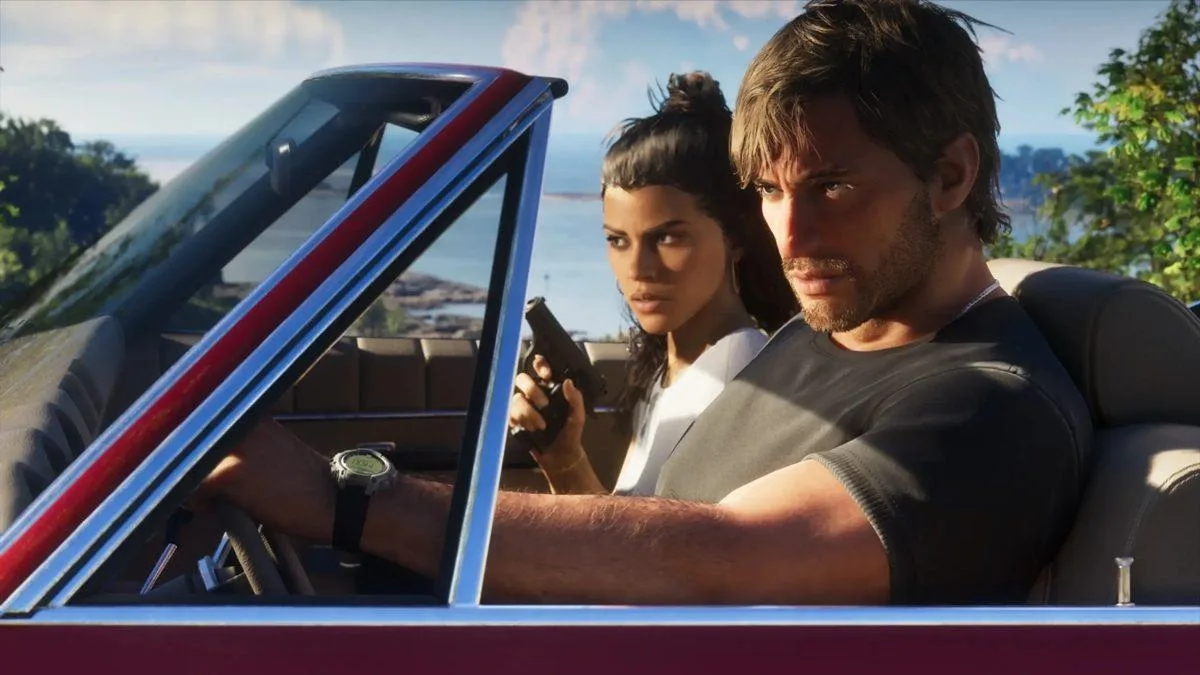
Rockstar believes GTA 6 has laid a solid technological and production foundation for future games and content. Thanks to investments in the game engine, development tools and production pipelines, future content is expected to be produced far more quickly.
Management says the next game should not take another eight years, pointing to the GTA III and Vice City era as an example of how a solid foundation can accelerate later projects. Garbut notes that most of the core technology is now in place and that they do not plan to overhaul it from scratch again. The trio sees GTA 6 as the culmination of roughly 30 years of experience and accumulated knowledge.
It seems GTA 6 will be not the end of the road for Rockstar, but the starting point for everything that comes next.




Comments (0)
No comments yet. Be the first!