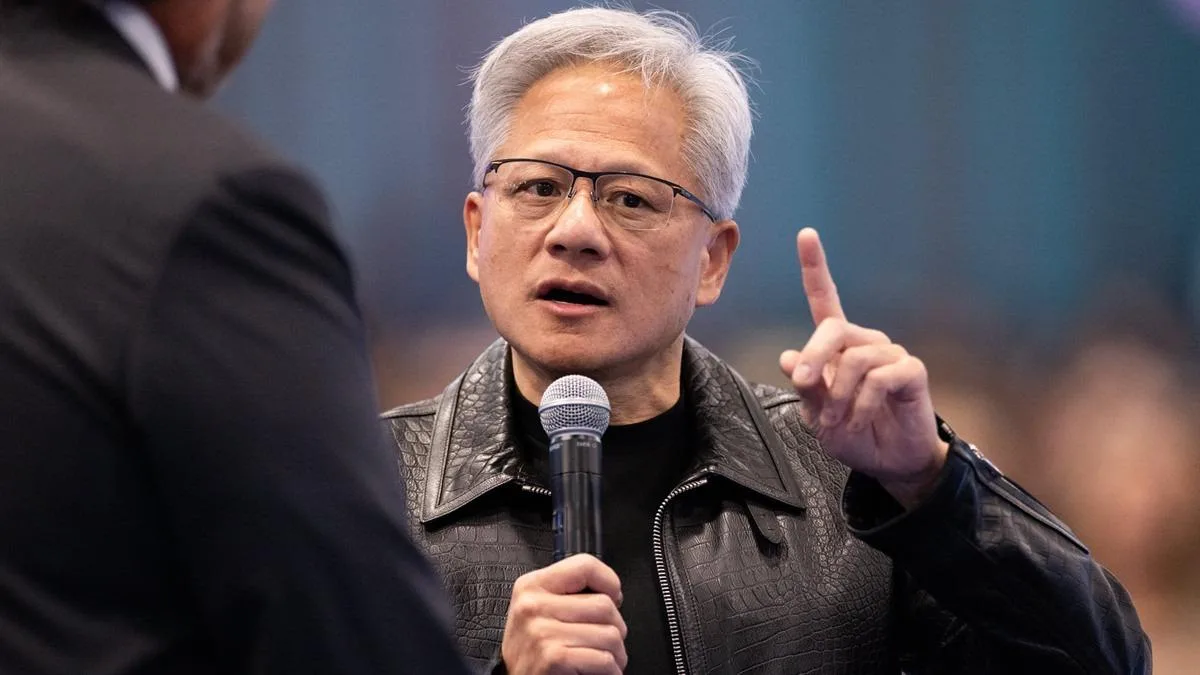

NVIDIA, the giant of the chip industry, has been rocked by an unexpected development. Co-founder and CEO Jensen Huang disclosed to the board his close relationship with a businessman whom US intelligence determined was working on behalf of China. Following that admission, the company has opened a formal review of its own CEO.
The matter has sparked wide debate both in tech circles and in Washington.
Board statement: no sign of a breach yet
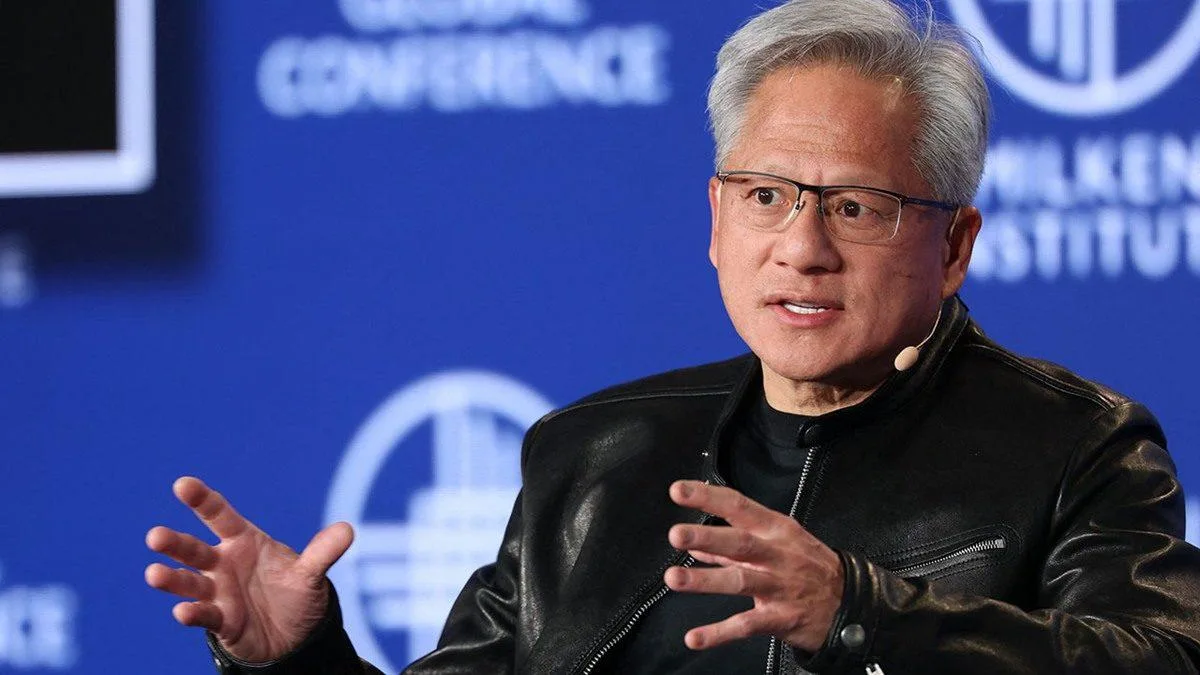
Notably, the board's statement issued on Sunday said that no risk to national security or to the company's confidential information had been identified. Even so, the board announced that all information gathered would be evaluated in detail.
The statement also said that Huang, 63, would keep his position during the process and would actively support the review. Company spokesperson John Rizzo stressed that the events would not slow day-to-day operations, saying "Jensen is committed to leading NVIDIA without interruption as CEO."
In a message to employees, Huang admitted that he had betrayed his marriage. "My actions deeply hurt my wife and our children. There is no excuse for what I did, and I am very sorry," he said, offering a public apology.
The Chinese executive and the $4.8 billion purchase volume
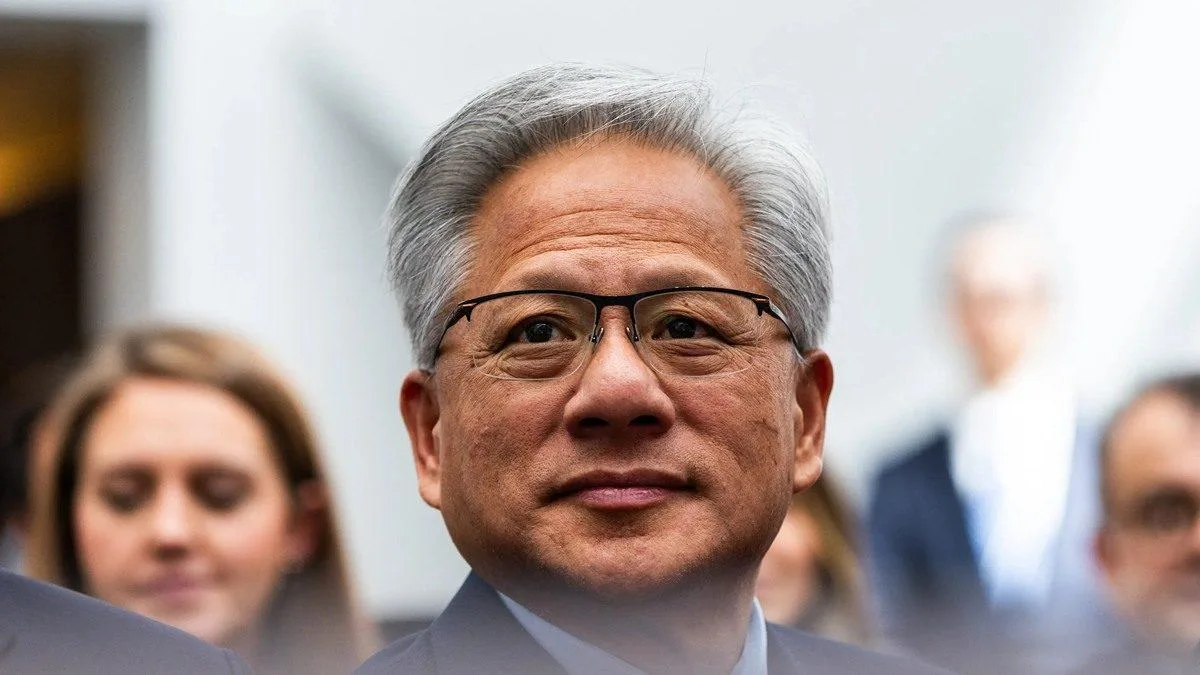
According to sources who spoke to The New York Times last month, US intelligence services discovered that Huang had grown close to Alice Huang (Huang Le), a Chinese national known as a chip buyer. Surveillance records showed that Alice Huang — a former television reporter in China who later became a senior executive at Singapore-based data center firm Megaspeed — passed intelligence directly to Beijing.
Jensen Huang, seen as an influential figure in President Trump's circle, raised serious security concerns within the US administration over this connection. Megaspeed, it should be noted, bought more than $4.8 billion worth of chips from NVIDIA over the past two years, making it one of the company's most important customers in Southeast Asia. NVIDIA had examined Megaspeed on suspicion that it was helping smuggle AI chips restricted for export by the US Department of Commerce into China, but despite the findings, it had not cut off its commercial relationship with the firm.





Comments (0)
No comments yet. Be the first!