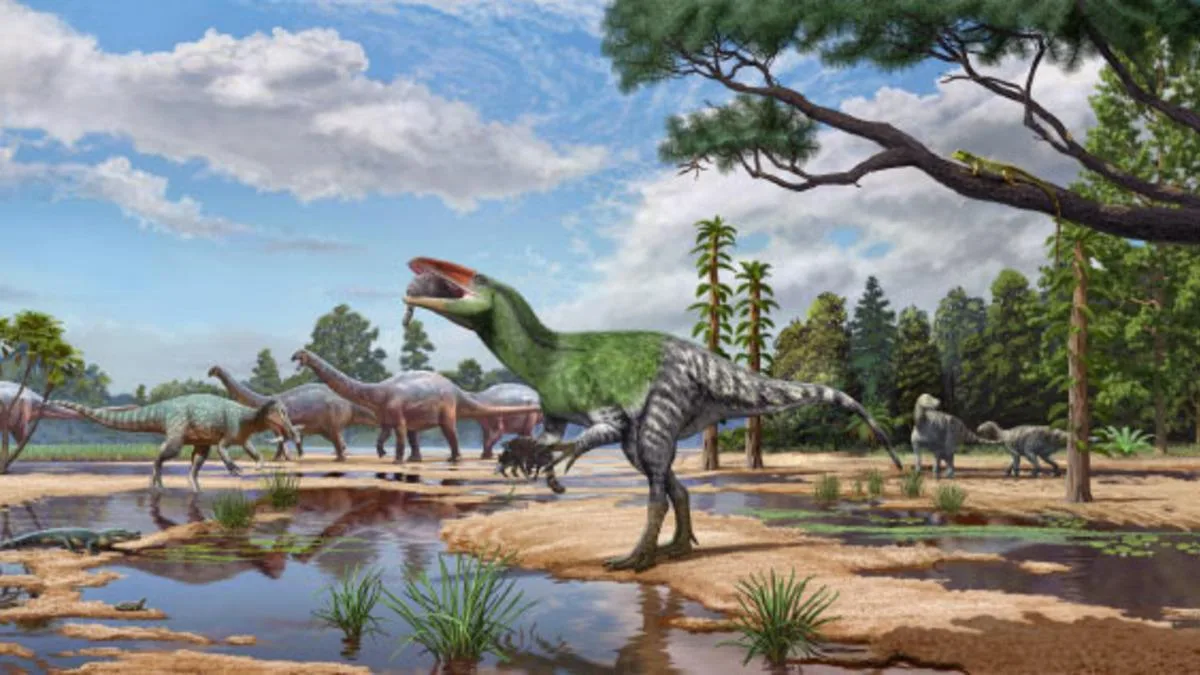

A skull fragment unearthed on the Isle of Wight, off England's south coast, and then forgotten in a museum drawer for a full 100 years has given science a brand-new dinosaur species.
The species has been named Invictibellatrix amberina, Latin for "invincible female warrior." The carnivorous dinosaur lived roughly 120 million years ago during the Early Cretaceous period, using long, curved claws to catch its prey.
How the forgotten fossil gave up its secret
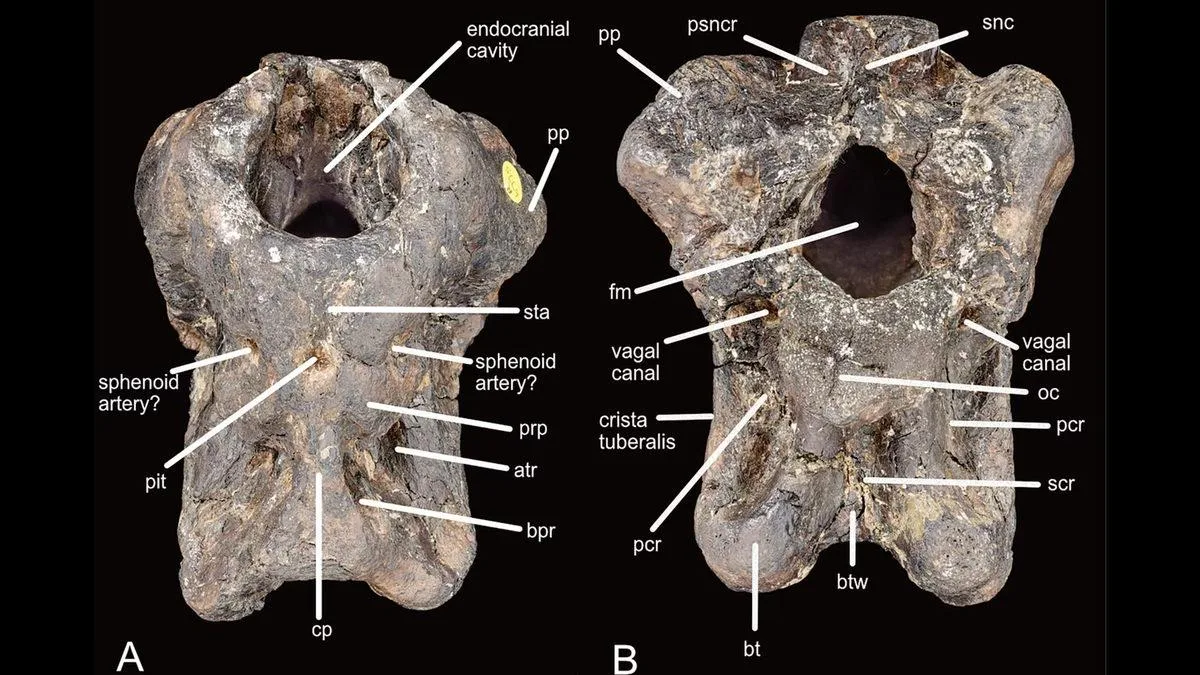
To peer inside the fossil, the team turned to high-resolution CT (computed tomography) scans. The resulting 3D digital models allowed researchers to compare the skull's anatomical features with those of other dinosaurs. That's how they realised the piece that had been sitting in the museum collection for years belonged to a previously undescribed species.
A small monster that hunted with 20-centimetre claws
Measuring 3 to 4 metres from nose to tail and standing roughly 1.5 metres tall, the dinosaur's real weapon was its curved claws, which reached up to 20 centimetres. While a T-Rex tore its prey apart with powerful jaws, Invictibellatrix grabbed its meals with those long claws instead.
According to researcher Cassius Morrison, if this species had lived alongside humans, it could have posed an even greater threat than a T-Rex. The reason comes down to prey size: a human would count as small game to a T-Rex, but would have made a suitable target for Invictibellatrix.
The first megaraptor evidence from Europe
Until now, megaraptors were known almost entirely from fossils found in Asia and the Southern Hemisphere. Invictibellatrix amberina represents the first definitive evidence of the group from Europe.
The discovery expands our understanding of which regions megaraptors once roamed. Still, researchers caution that a single fossil can't explain which route these dinosaurs took into Europe — more finds from other regions will be needed. Even so, thanks to a skull fragment that waited a century in a drawer, we now know of a new species and that megaraptors lived in Europe too.





Comments (0)
No comments yet. Be the first!