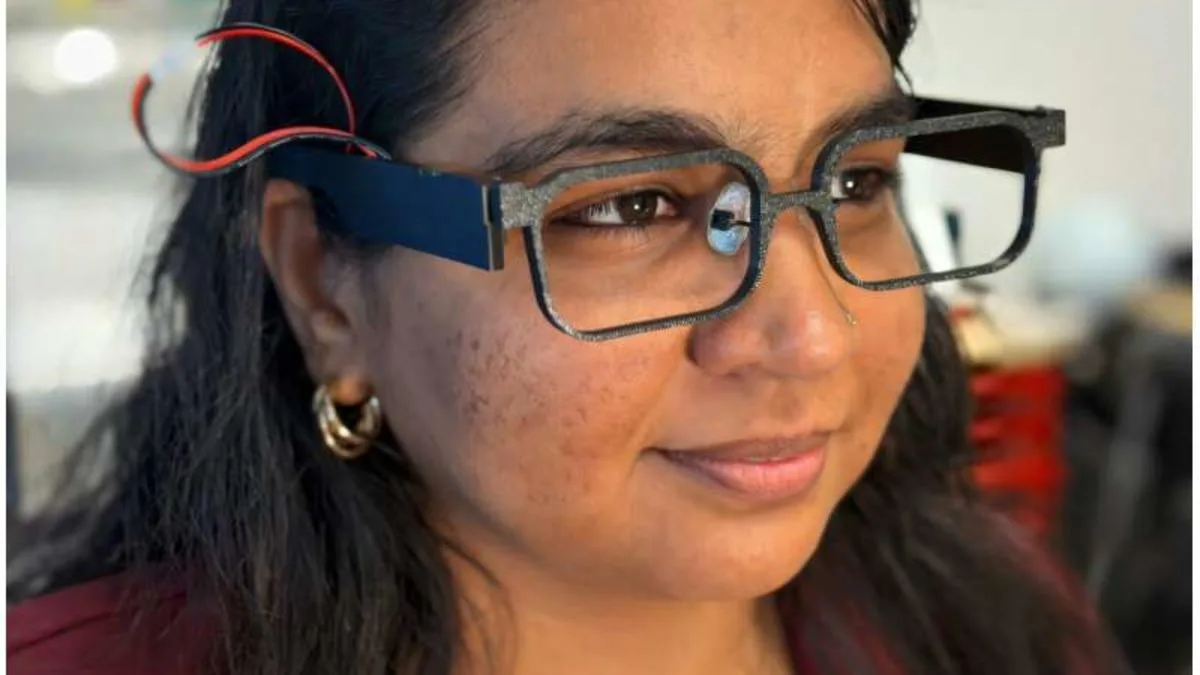

Researchers at Northwestern University have developed smart glasses that can generate electricity from everyday facial movements: GlassTENG. Reflexive actions like blinking, clenching your jaw, or eating become an energy source for the glasses' sensors.
The glasses don't just produce power. They can also distinguish between movements like blinking, jaw clenching, and speaking, and can even detect pulse vibrations.
Powered by the triboelectric effect
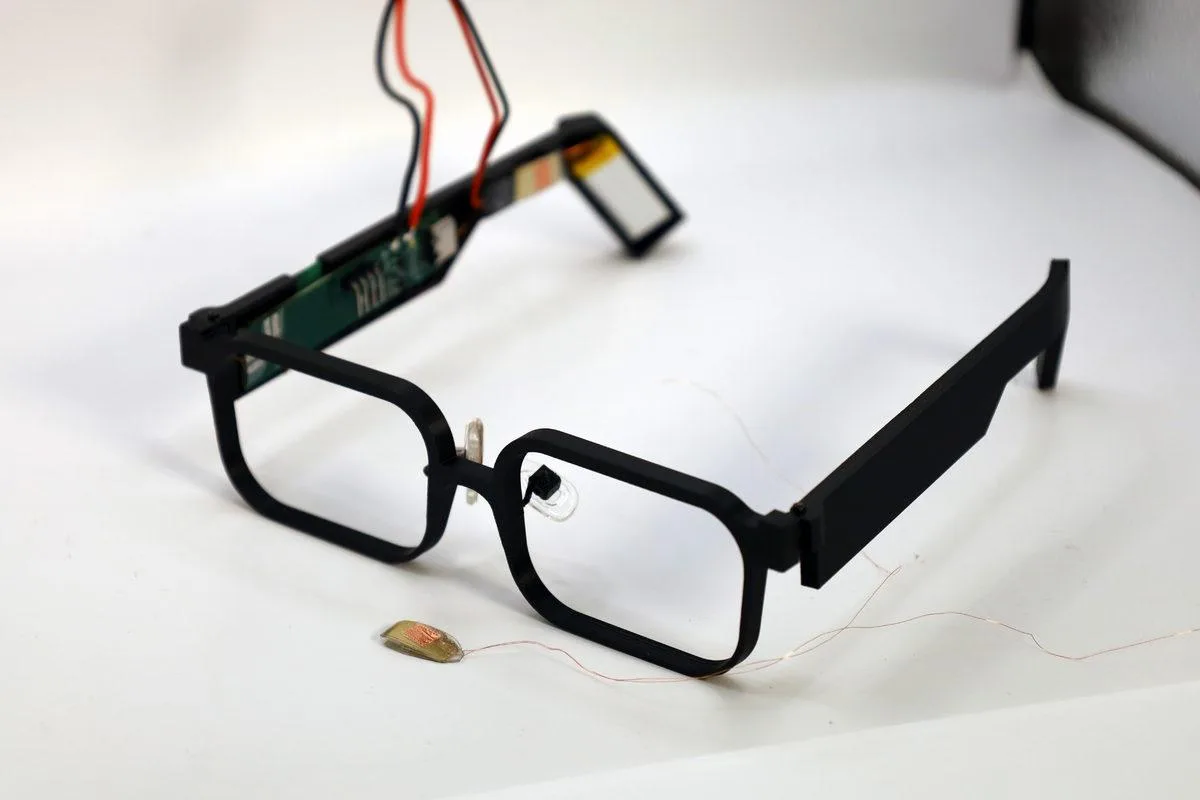
The system relies on a physics principle known as the triboelectric effect — the same phenomenon that makes your hair stand up when you rub a balloon on a sweater. When two different materials touch and separate, electric charges build up.
The thin sensors in the glasses work on the same principle. As your face moves, special layers inside the sensors touch and separate, generating electrical signals.
Three sensors placed on the bridge of the nose, the temples, and around the ear can also capture the tiny vibrations created by your pulse, enabling heart rate monitoring.
Power consumption of just 4.1 microwatts
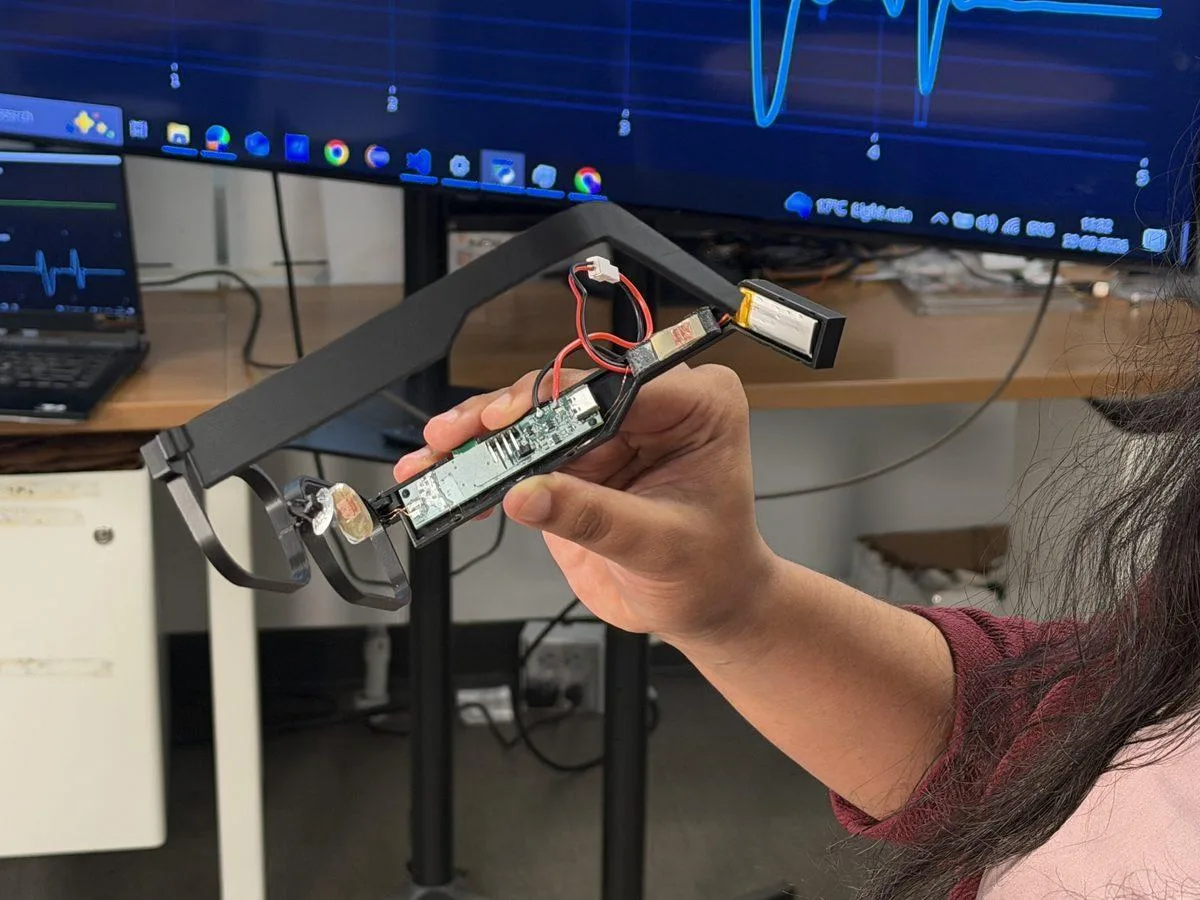
The sensors' total power consumption is just 4.1 microwatts. The collected data can be transmitted to other devices via Bluetooth.
The glasses aren't free of charging worries. The sensors generating energy from movement doesn't mean the entire system runs without a battery. However, the researchers' goal is to build a system where every component, from energy generation to data transmission, works battery-free.
Distinguished six movements with 93.8% accuracy
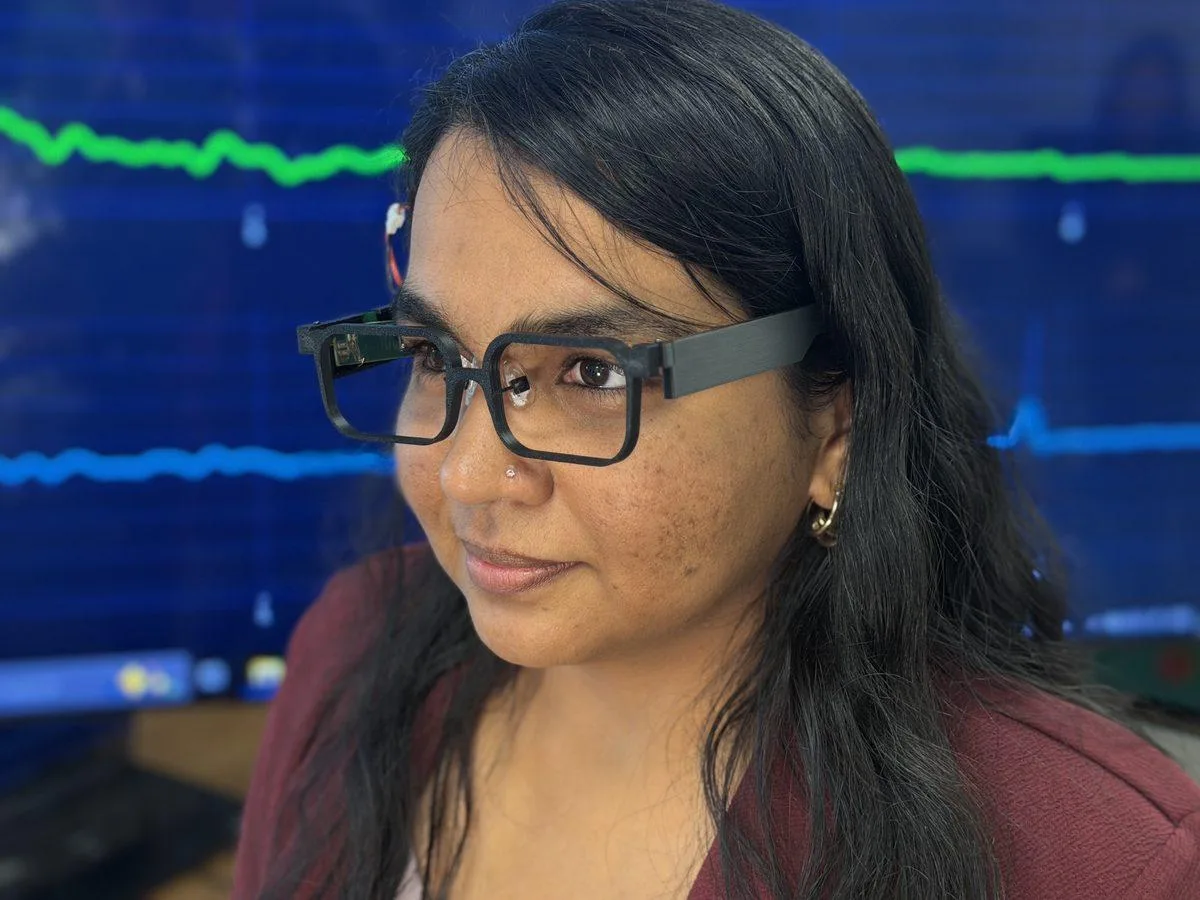
GlassTENG was tested on 20 people. The system recognized blinking, eyebrow raising, teeth clenching, teeth tapping, eating, and speaking with 93.8% accuracy. The rate rose to 99% for teeth tapping and 96% for jaw clenching.
In the future, this technology could be used in systems that alert people who unconsciously grind their teeth or monitor eating habits. Heart rate tracking is also among the possibilities. For now, GlassTENG remains at the research stage; it's not a product ready for everyday use. Still, it marks an important step toward fully battery-free wearable technology.


Comments (0)
No comments yet. Be the first!