

Every stick vacuum owner knows the pattern: a machine that fluffs up carpets in its first months often becomes a hot, noisy device that struggles to pick up crumbs from the floor within a year. So how can a motor spinning at 66,000 RPM keep performing like day one for a decade? We looked at the German engineering behind it in eight points.
The Classic Motor's Worst Enemy: Friction
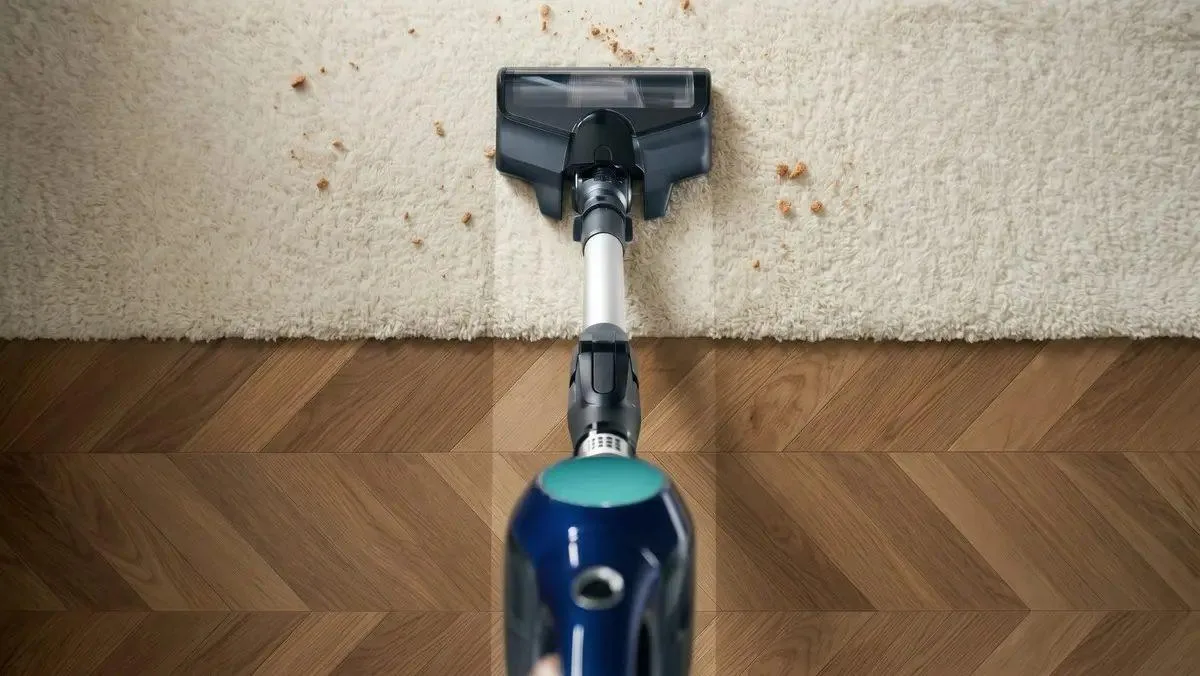
In brushed motors, internal parts grind against each other for as long as the machine runs. That means heat and physical wear. Over time, components degrade, heat builds up, and the motor — the heart of the device — loses its power.
Just How Fast Is 66,000 RPM?
A typical car engine turns at roughly 6,000–7,000 RPM. By comparison, a vacuum motor reaching 66,000 RPM generates enough suction to pull out even the deepest embedded dust.
Contactless Design Means Almost Zero Wear
The new generation of engineering abandons the old system in which parts wear each other down through contact. Motors built on Siemens technology feature hardware that reduces friction and heat to nearly zero. Because the parts don't wear out, the motor's lifespan is significantly extended.
Insulation That Keeps Dust Out of the Motor
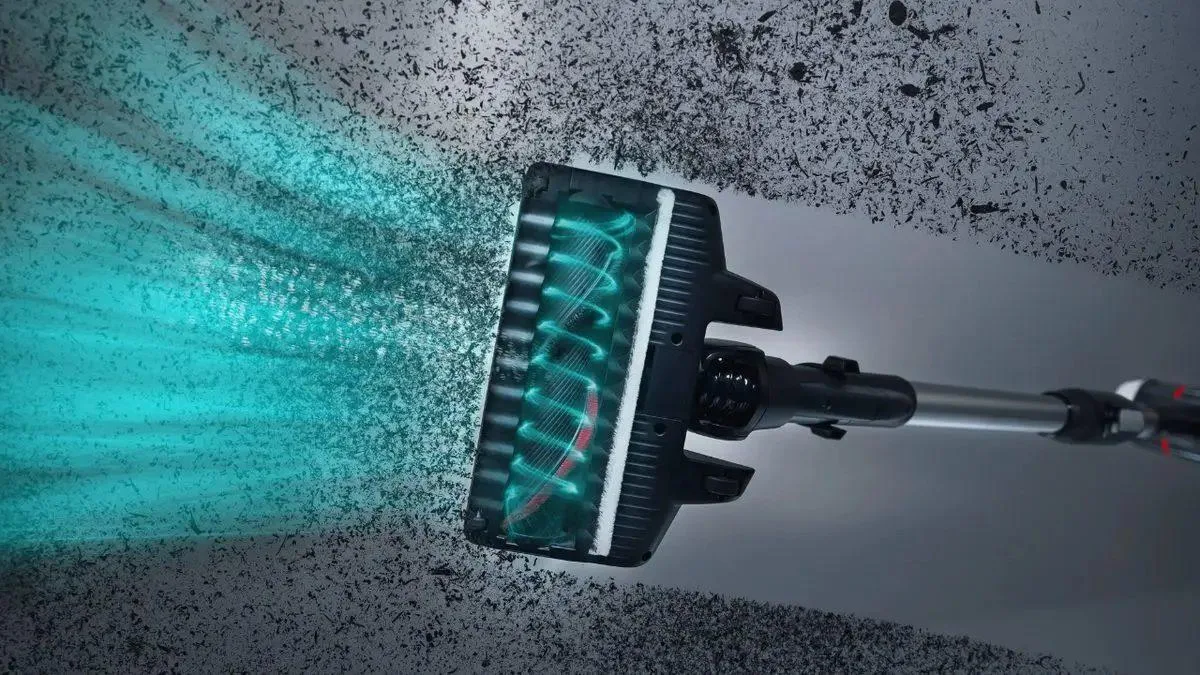
The second big killer of motors is the microscopic dust that seeps inside. Dust settles in the bearings and locks up the system. German engineering solves this with flawlessly insulated airflow channels, directing dust straight into the bin and keeping it away from the motor.
An Aerodynamic Body That Absorbs Vibration
A motor spinning that fast creates serious vibration. Left unmanaged, it gradually damages electronic circuits and connection points. A well-designed body damps the vibration and stops the device from shaking itself apart.
Made in Germany, With Strict Quality Control
Longevity requires every part on the assembly line to be machined to the same micron-level precision. The rigorous quality control and durability testing applied in Germany are what guarantee the motor keeps running smoothly for years in demanding household conditions.
Power Management That Preserves Day-One Suction
A long-lasting motor shouldn't just keep running — it should keep performing. Intelligent power management optimizes the energy flowing from the battery to the motor, so the vacuum delivers the same suction power in year five as it did out of the box.
A 10-Year Warranty as Proof of Confidence
No brand would put a 10-year warranty on a motor without complete faith in its engineering and material quality. That duration is the clearest sign that the device isn't a victim of planned obsolescence and is built to be handed down through generations.
Running at peak performance for ten years is no ordinary promise. If you'd rather invest in a long-lived piece of engineering than keep buying new devices, it's worth taking a look at Siemens stick vacuums.






Comments (0)
No comments yet. Be the first!