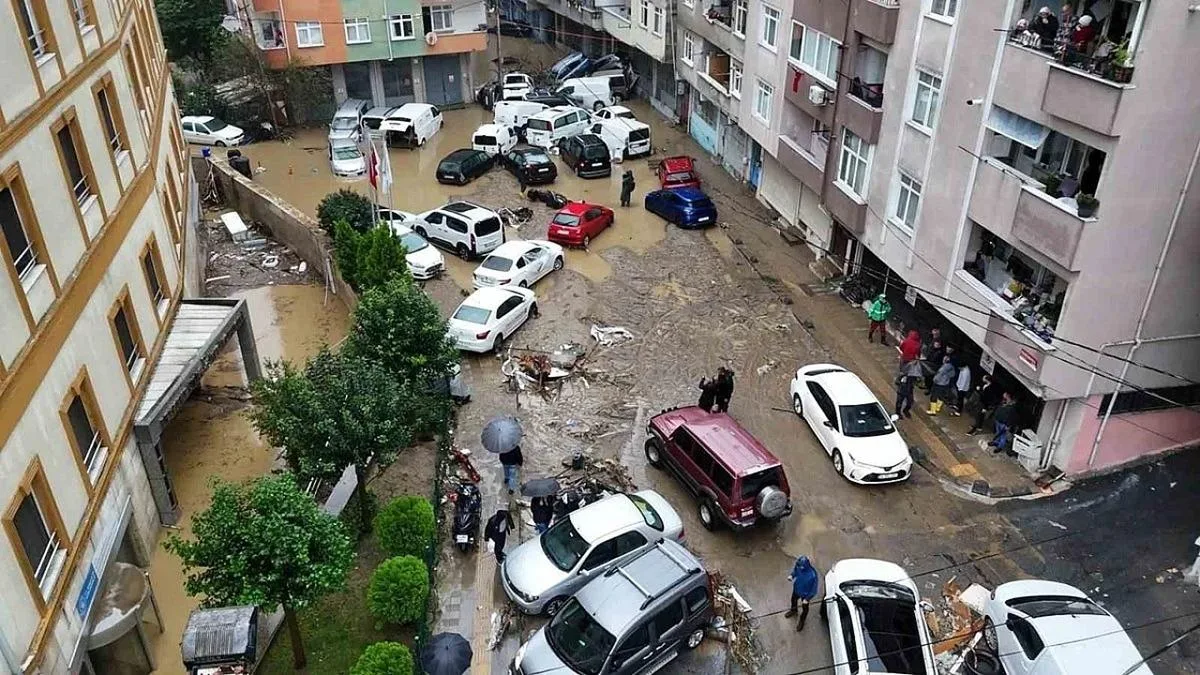

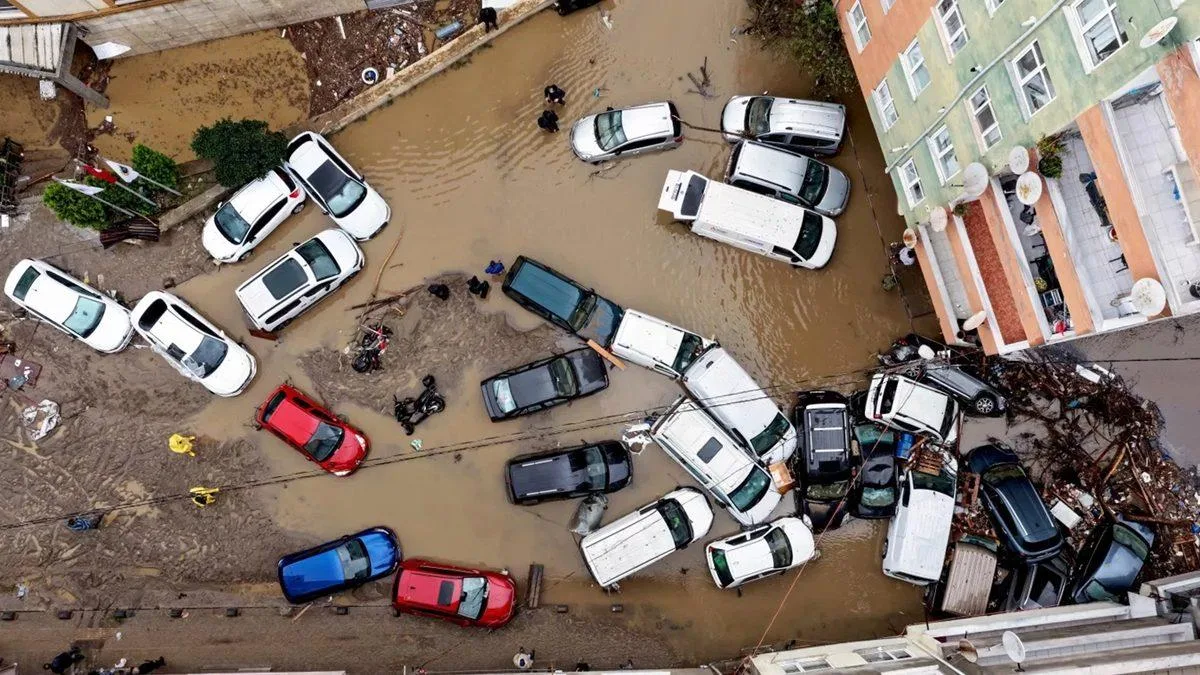
After torrential rain, floodwater can swallow cars parked on city streets within minutes. Vehicles swept away by the current or buried in mud are often left completely unusable. So who ends up footing the bill?
The question has to be approached from several angles: what cover does your policy actually provide, when is a car declared a write-off, and if you have no insurance at all, which doors remain open? We have compiled the answers below.
How much does your comprehensive policy protect you?
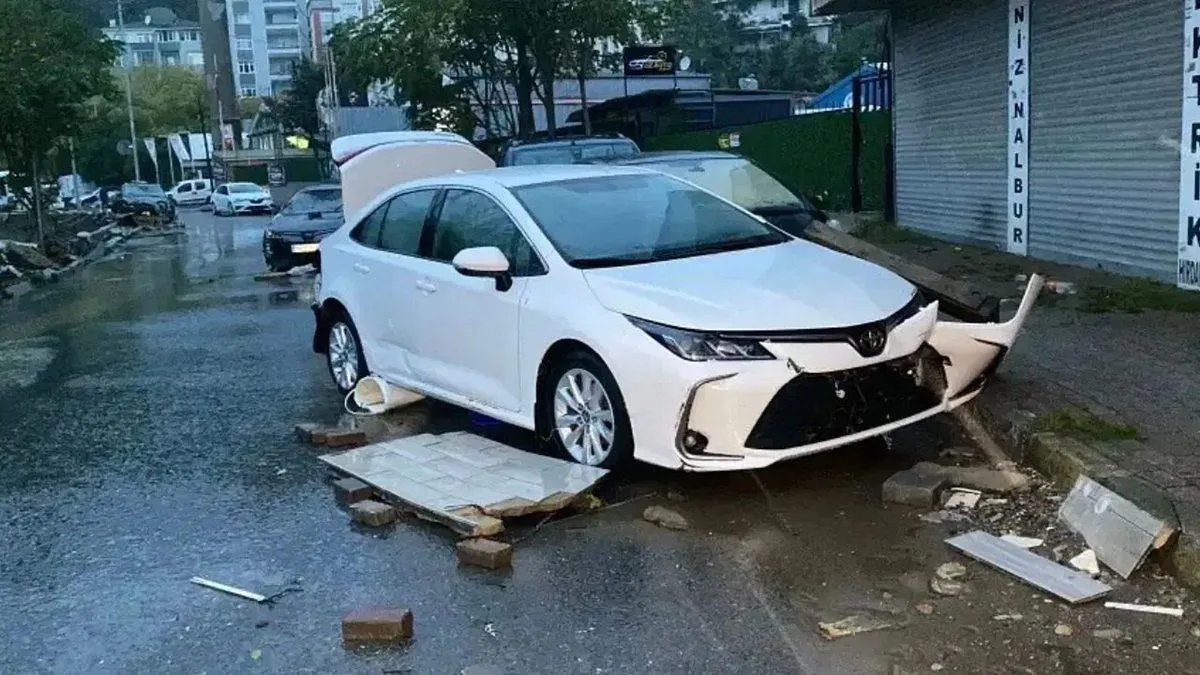
For flood-related damage, comprehensive (kasko) insurance is the natural first port of call. But there is a crucial distinction here: simply holding a policy is not enough — flood cover must be written into the contract. Under the General Terms of Motor Vehicle Comprehensive Insurance, flood and water damage is not a default guarantee for the narrow and standard tiers.
- Narrow cover: Contains no flood guarantee; unless a separate agreement is made, the door stays closed.
- Standard cover: Varies from insurer to insurer; unless a flood clause is added with an extra premium, the damage is not covered.
- Extended cover: Most packages include flood and water damage protection as standard.
- Full cover: Natural disasters and floods are covered without any exceptions.
Another detail is the "deductible" (Tenzili Muafiyet) clause. This provision places a certain proportion of the loss on the policyholder. Under the legal regulation, the deductible rule must appear in the written policy in a font of at least 14 point; if it is printed smaller, the clause is invalid and payment must be made in full.
When is a write-off decision made?
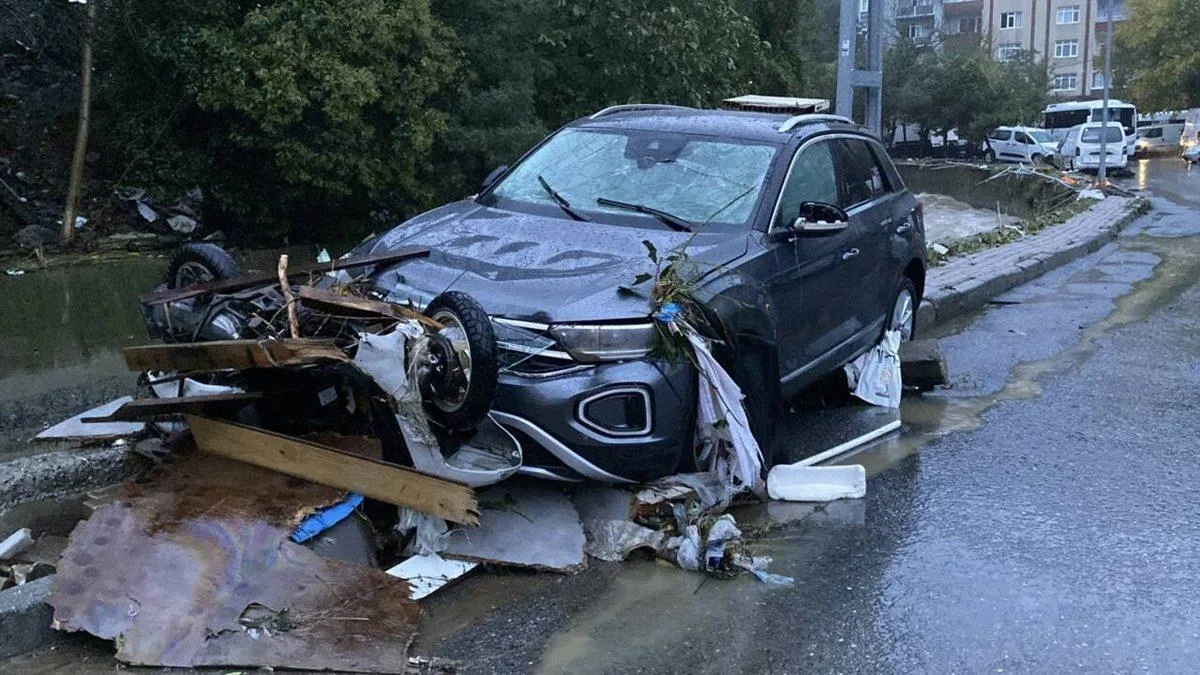
A vehicle is treated as a total loss (pert) when the repair cost exceeds its current market value or when it is technically impossible to restore. Scenarios such as water rising above the engine block or wiring harnesses and electronic control units being buried in mud usually push loss adjusters towards a write-off.
The key thresholds you need to know in the process:
- Notification must be made within 5 business days of learning of the damage.
- No money is paid until an official registration document showing the vehicle has been scrapped or deregistered from traffic is submitted.
- There is no obligation to accept the so-called salvage — the damaged remains. You can leave ownership with the insurer and demand the full market value on the date of loss in cash.
- Payment becomes overdue (muaccel) after 10 business days from submission of the expert report, or 45 days from notification.
Does traffic insurance cover this damage?
The answer is clear: no. Compulsory Traffic Insurance, by virtue of its duty under the Highway Traffic Law, only covers damage caused to third parties. Damage arising from the vehicle's own misfortune — such as water entering the engine — falls outside this policy.
If a car swept away by the current crashes, who is liable?
A vehicle that loses control can damage parked cars or buildings. The principle here is that vehicle owners are strictly liable; however, the law does provide an escape route.
- If there is an effective force majeure — an unavoidable disaster — and the owner parked the car in compliance with the rules with no negligence whatsoever, liability is extinguished.
- When liability disappears, the vehicle's traffic insurance does not pay either. The injured party turns to their own comprehensive policy or to the authority responsible for the poor infrastructure.
Where is the door for uninsured vehicles?
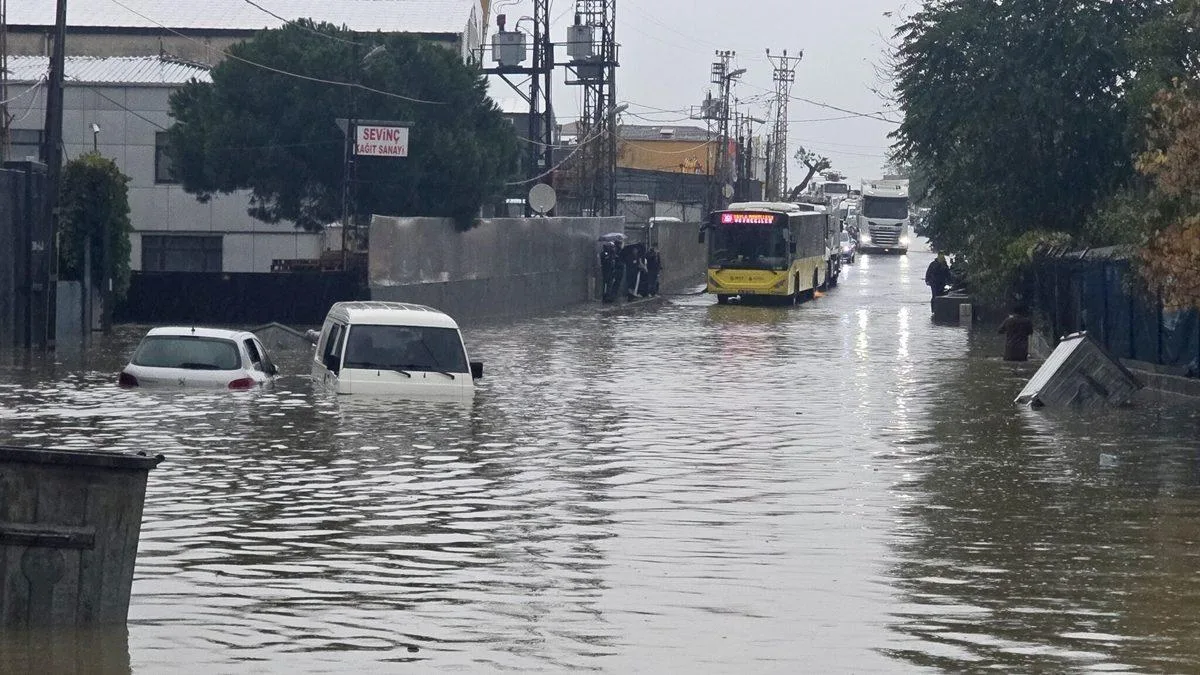
For owners with no policy at all, or one lacking a flood clause, the route leads into administrative law.
Does AFAD cover the value of the car?
Contrary to a widespread belief, Disaster Law No. 7269 protects immovable property such as homes, workplaces and buildings; motor vehicles are not within its scope. Assessments carried out by governorships and district governorates do not pay for the vehicle; the aid provided consists of limited social support payments.
The real route: a full-jurisdiction action against the administration
In floods where infrastructure failures played a role, the principle of administrative liability in Article 125 of the Constitution comes into play. Full-jurisdiction lawsuits can be filed against municipalities, water and sewerage administrations such as İSKİ and ASKİ, the State Hydraulic Works (DSİ) and the General Directorate of Highways.
- Examples of service faults: Choosing narrow culverts in foreseeable seasonal downpours, opening stream beds to construction, neglecting the maintenance of drainage channels, or leaving grates and drains clogged. Where such negligence exists, the administration's "excessive rainfall / force majeure" defence will not be accepted.
The biggest mistake with a submerged car: turning the ignition
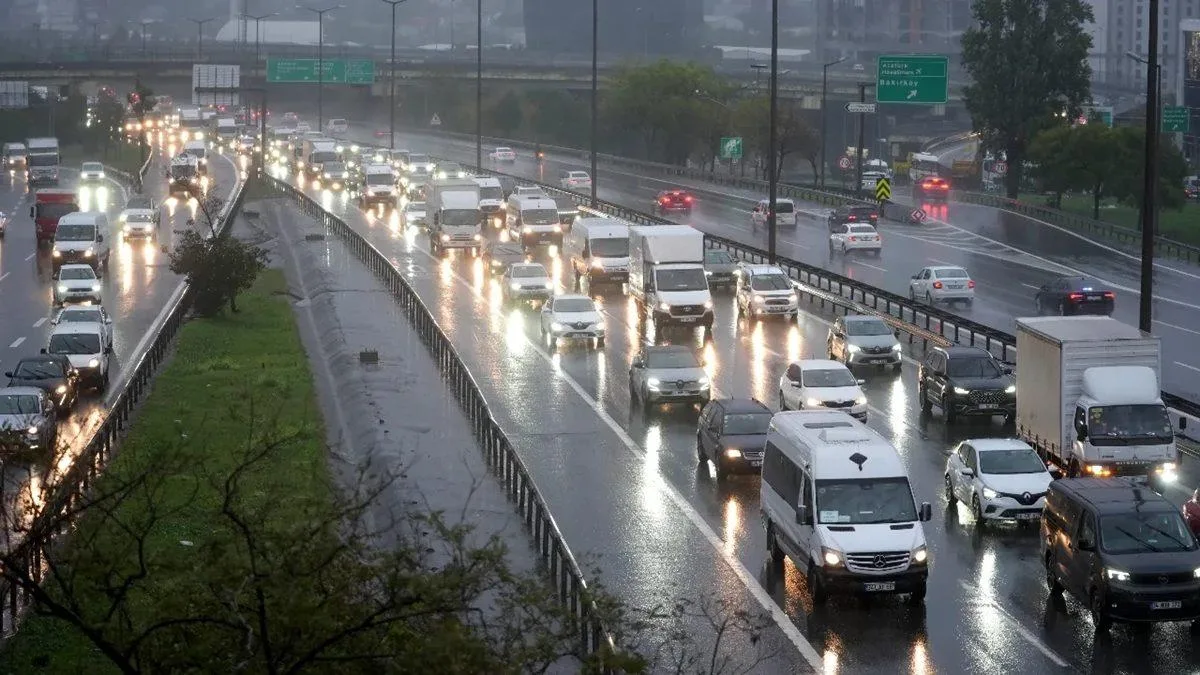
Insurers' most common route to reducing or rejecting compensation is to invoke driver error or behaviour that aggravated the loss. The picture changes depending on the scenario:
- Caught by the flood while legally parked: There is no fault; if flood cover exists, payment is made in full.
- Unexpectedly caught in water on the road: Where the situation was unforeseeable and escape was impossible, the damage falls within the cover.
- Cranking the engine while it is underwater: Water drawn in through the air intake manifold creates hydraulic lock. The incompressible water bends the connecting rods and turns the engine into complete scrap. Adjusters can detect that the engine was cranked through internal inspection and filter analysis; as a fault that aggravated the loss, this can remove the engine's value from the payout or sink the claim entirely.
- Driving into a flooded underpass despite warning signs: Knowingly entering the water can be classified as "gross negligence" and may result in the claim being rejected outright.
If injury or death occurs, which policies apply?
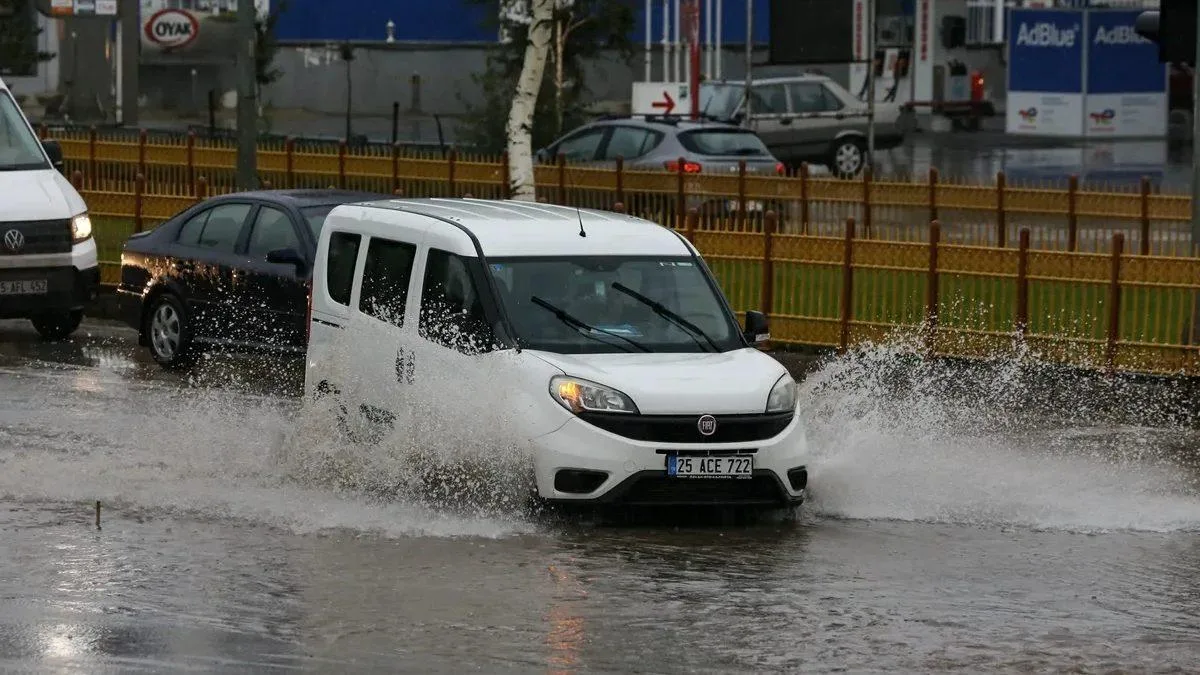
When bodily harm or loss of life occurs inside the vehicle, the matter is no longer limited to the property damage regime; accident and life insurance policies come into play.
- Life Insurance: Disasters such as floods are not excluded from individual or credit-linked life policies. The death benefit is paid in full to beneficiaries or heirs. Moreover, the insurer's right of subrogation does not apply here; this payment is not offset against the pecuniary and non-peculiar damages (loss of support) that relatives claim from the administration — both claims can be collected separately.
- Individual Accident and Seat Individual Accident Insurance: Under the Individual Accident General Terms, disasters such as earthquakes, floods and landslides are excluded unless the policy states otherwise. For flood-related death, permanent disability or medical expenses to be paid, a flood and natural disaster clause must be explicitly written into the policy.
Official steps that race against the clock

- Secure the evidence: Take photos and videos during and immediately after the event, recording the water line, mud marks and the wider surroundings.
- Obtain all the reports: Get a Fire and Rescue Incident Report from the fire department; a Natural Disaster and Traffic Scene Situation Report from the police or gendarmerie.
- Add the rainfall document to the file: Obtain the official bulletin from the General Directorate of Meteorology (MGM) showing the rainfall in the area.
- Request evidence preservation: If you have no comprehensive policy and intend to sue the administration, ask the Civil Court of Peace for a damage assessment with an expert witness.
- Track the deadlines: In comprehensive insurance claims, the limitation period is 2 years from the date the payment becomes overdue, and in any case 6 years from the date of the risk. For disputed matters, the route is the Insurance Arbitration Commission or the Commercial Courts of First Instance. For applications against the administration, the 1- and 5-year preliminary application periods and the 60-day lawsuit period following rejection can never be exceeded.


Comments (0)
No comments yet. Be the first!