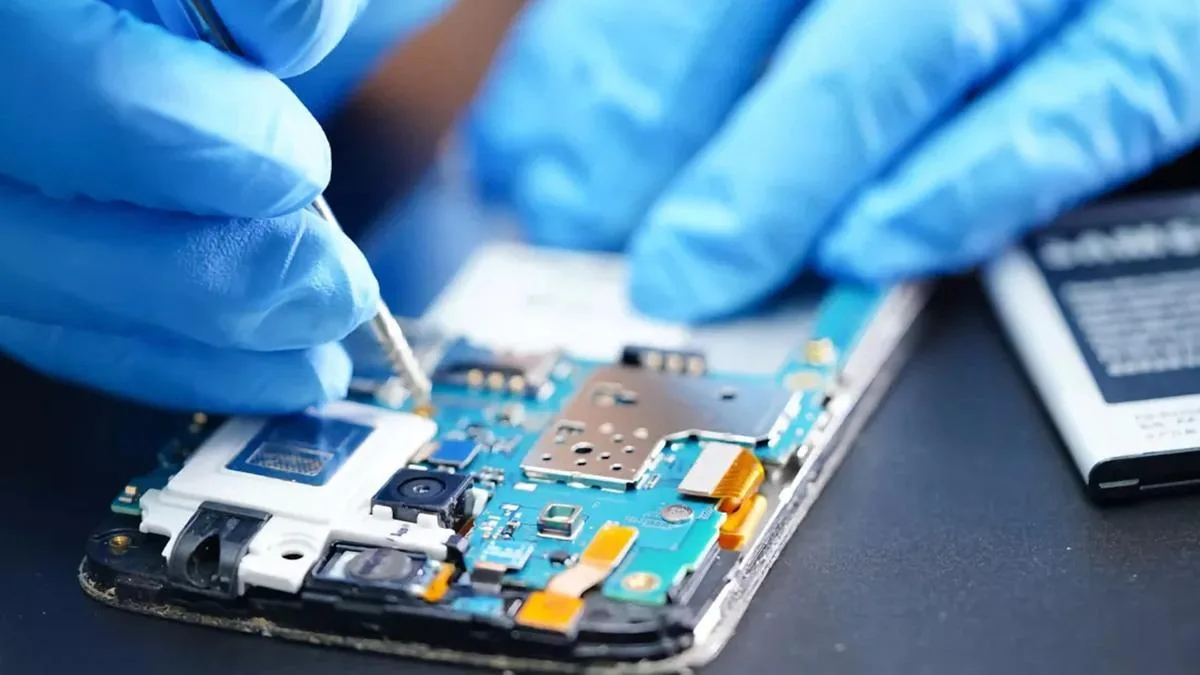

Memory costs are climbing fast, and smartphone makers are running out of easy options. With no quick fix in sight for the DRAM shortage, some manufacturers are turning to a source most buyers would never expect: chips salvaged from old devices.
What is 'reballed' memory, and why now?
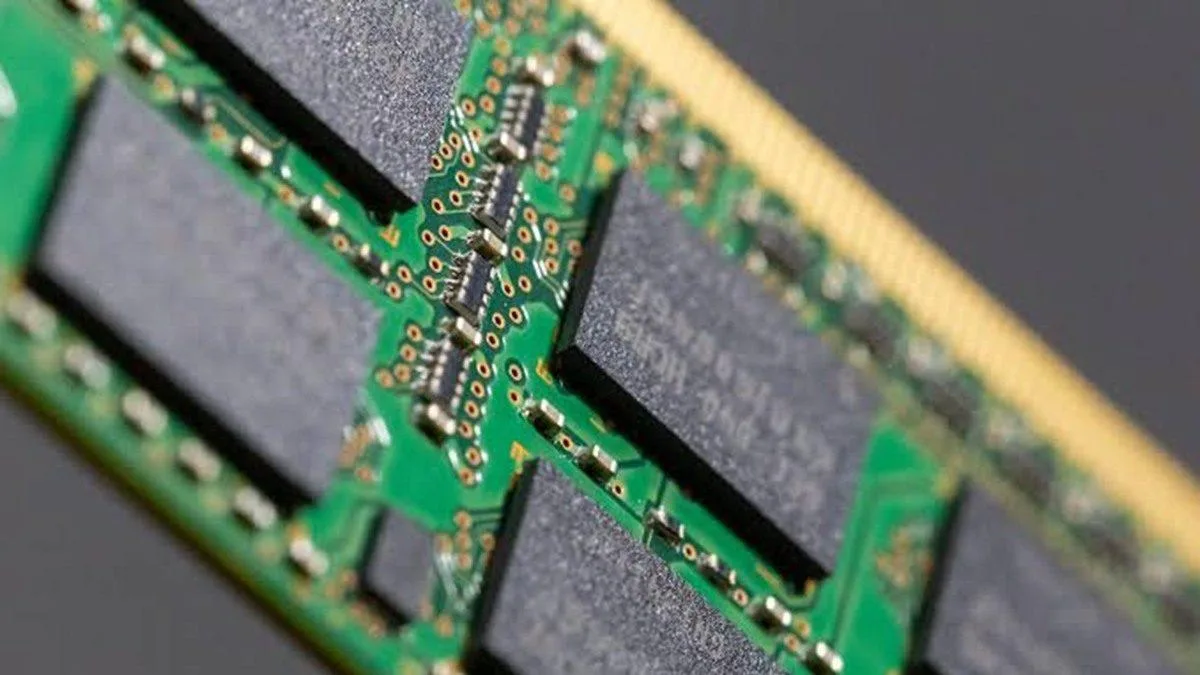
According to a recent report from TrendForce, several brands plan to use so-called "reballed" DRAM chips in their entry-level models. The process involves removing used memory modules from older devices and fitting them with fresh solder balls so they can be mounted onto new phones.
Most of these recycled modules are LPDDR4X 4 GB units, which TrendForce considers adequate for 4G-capable entry-level handsets. But the firm warns that as DRAM prices keep rising and inventories keep shrinking, these low-cost components could eventually find their way into higher-tier devices as well.
The shortage is getting worse
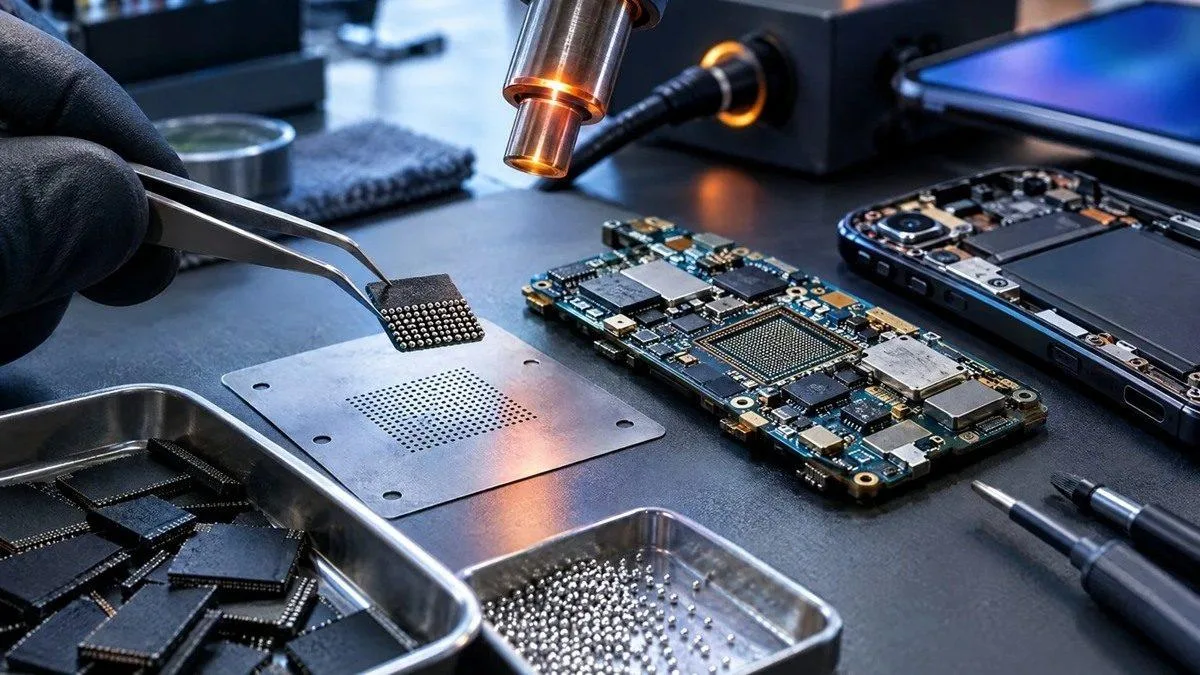
Using recycled memory in mobile devices is not new, but until now it has remained a niche practice. TrendForce estimates that refurbished modules will account for 3-4% of the mobile RAM market in 2026, and cautions that share could climb to 7-9% the following year.
TeamGroup CEO Chen Ching-wen said earlier this month that the hardest phase of the memory shortage has not yet arrived. He believes prices will continue to rise in the coming months, and argues the market could eventually reach a point where memory simply cannot be found — a scenario in which consumers would be unable to buy products even if they had the money.
SK Hynix, the South Korean chipmaker, paints a similar picture. In its third-quarter financial results, the company said AI-driven demand shows no sign of easing and that the memory market will keep growing over the medium and long term. Good news for manufacturers — considerably less so for consumers.



Comments (0)
No comments yet. Be the first!