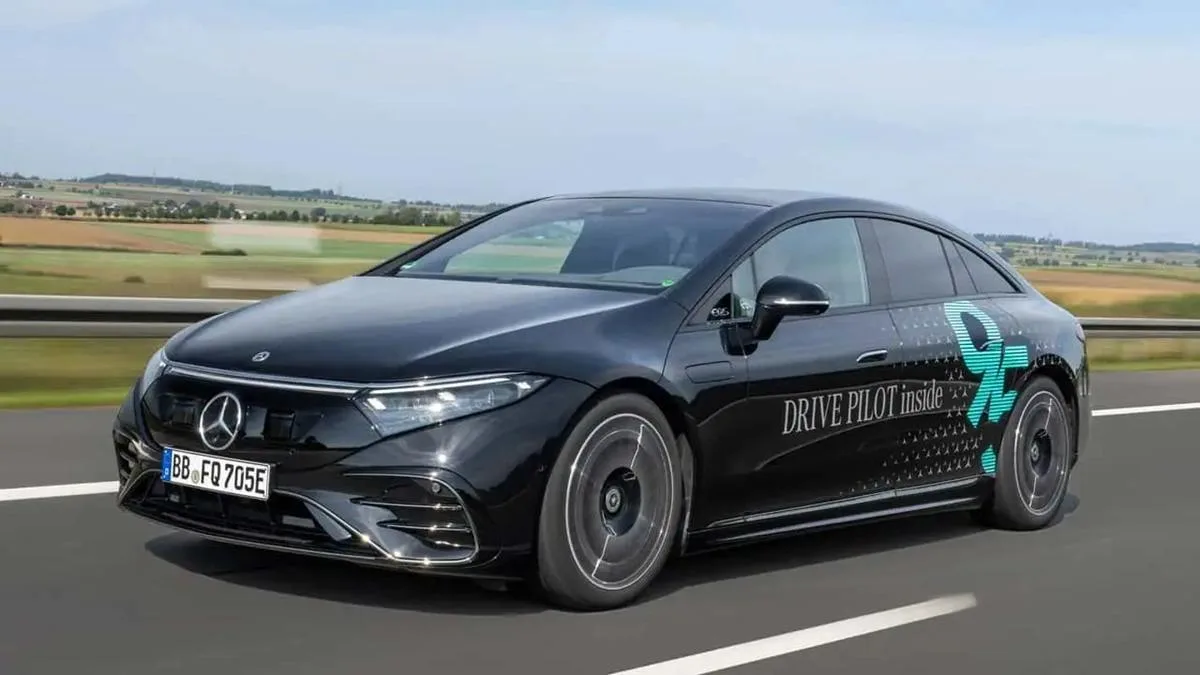

Mercedes-Benz has quietly changed course on autonomous driving. Rather than pressing ahead with its pioneering Level 3 system, the German automaker says it is reallocating resources toward more capable Level 2 systems and, longer term, Level 4 technology targeted for after 2030.
The clearest sign of the shift: the new S-Class launched in the US market without a Level 3 autonomous system on board. Company CTO Jörg Burzer explained the reasoning, saying that being first doesn't always mean delivering the best solution, and announced that priorities have been reset.
Drive Pilot's limits fell short of expectations
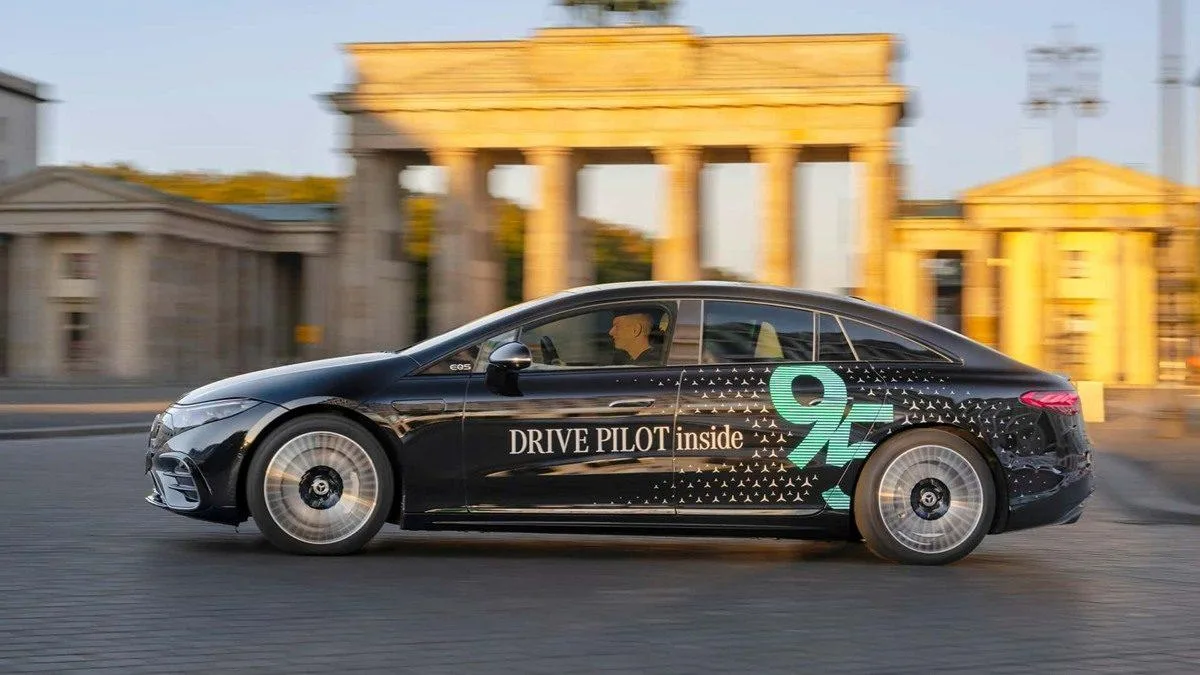
When Drive Pilot was approved in 2023, it drew significant attention for allowing the driver to take their attention off the road under certain conditions. But the system could only operate at speeds of up to 65 km/h and on restricted routes, narrowing its use almost exclusively to stop-and-go traffic rather than highway driving.
Those constraints meant the technology offered little practical value in everyday use. Mercedes-Benz officials say this played a decisive role in the strategy change.
The new goal: MB.DRIVE Assist Pro and Level 4
Instead of waiting at Level 3, Mercedes-Benz has opted to develop a far more comprehensive Level 2 system. Called MB.DRIVE Assist Pro, the new setup is equipped with 27 sensors and will be able to handle lane changes and junction navigation in both city and highway conditions. The company promises the technology will be far more useful in daily driving.
The next major target is Level 4 systems that require no driver intervention at all — though drivers will have to wait until after 2030 before such vehicles reach the road.
Comments (0)
No comments yet. Be the first!