

The gaps between a wheel's spokes let air reach the brakes, but they can also disrupt airflow around the wheel. A fully closed surface offers an aerodynamic advantage, yet makes brake cooling harder. Hyundai and Kia have come up with a practical answer to this dilemma.
The design, registered in early November, aims to increase range in electric vehicles and reduce fuel consumption in combustion-engine models. By opening and closing the vanes, the system also seeks to preserve the airflow the brakes need.
Fixed spokes, moving vanes
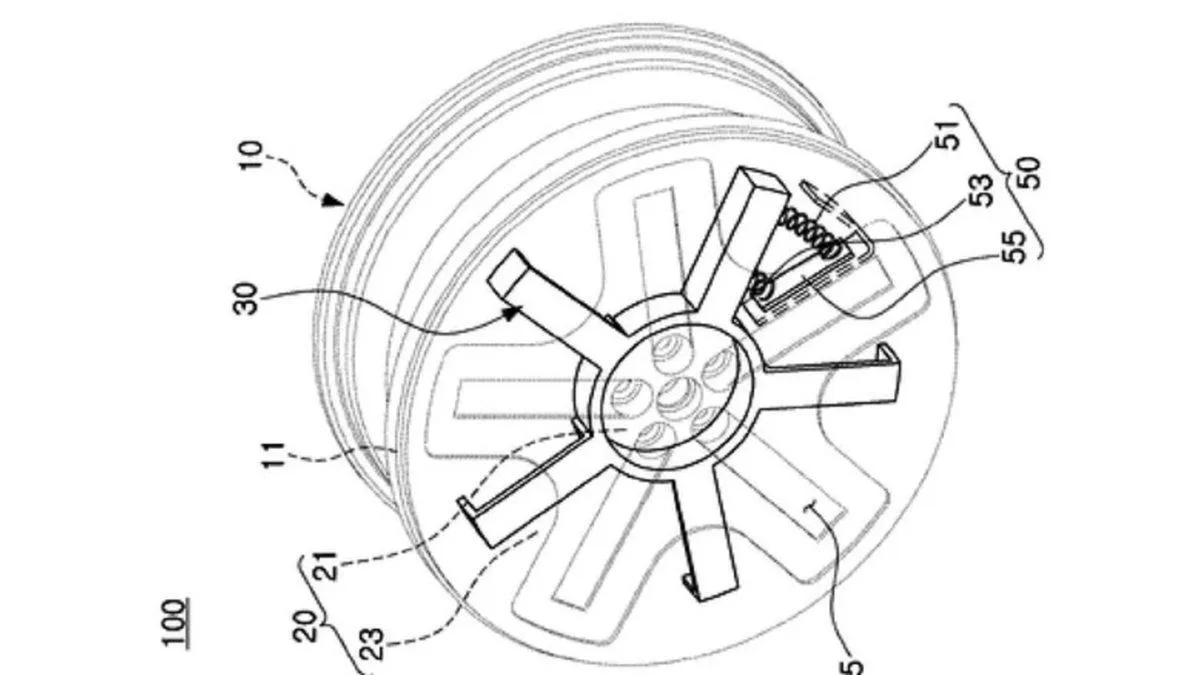
The wheel's main spokes, visible from the outside, remain fixed. Behind them sits a rotating ring connected to vanes. When the ring makes a small turn, the vanes slide between the spokes and seal the gaps; when airflow is needed, they retract.
The patent lists several alternatives for the mechanism that would move the ring: electric motors, hydraulic systems, compressed-air arrangements and shape-memory alloys that change form when heated. If the design reaches series production, which method will be chosen has not been disclosed.
Targeting lower drag on the highway
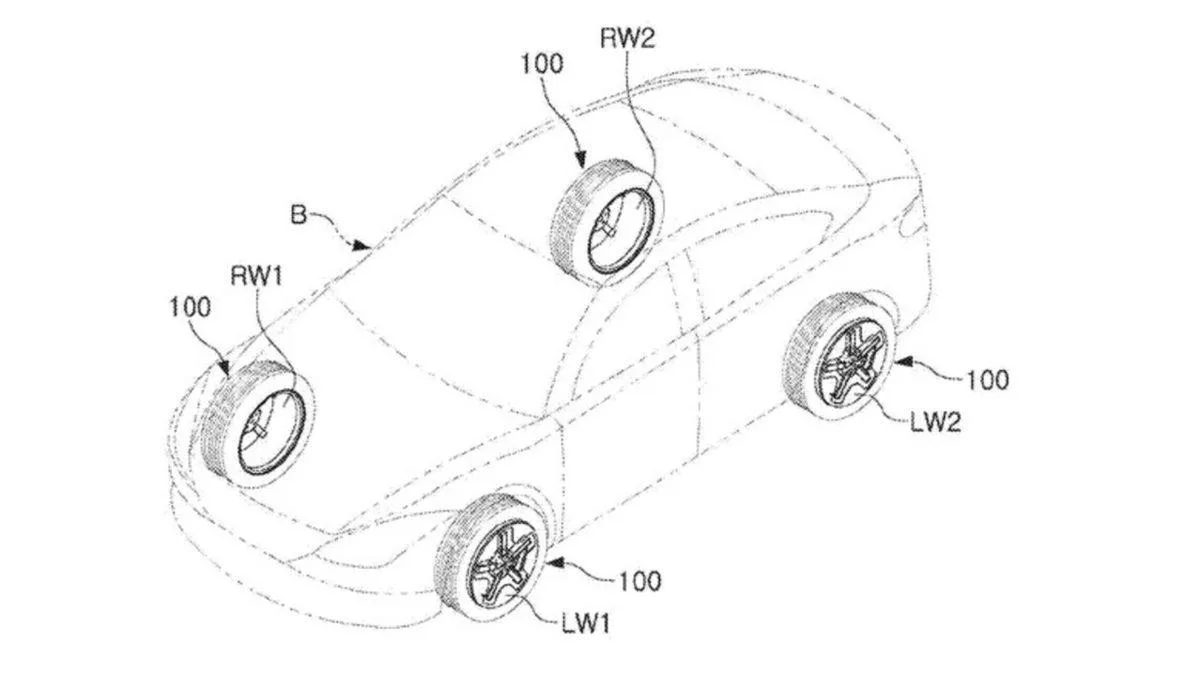
According to the patent filing, roughly 25% of total aerodynamic drag at highway speeds comes from the wheels and tires. Closing the wheel gaps could reduce that drag, particularly when cruising at a constant speed over long distances. That does not mean a 25% saving, however; Hyundai has not shared any measurement of the design's contribution to range or fuel consumption.
The plan is for the vanes to open when the brakes heat up in stop-and-go traffic or on long descents, letting the discs get air again.
Practical questions remain, though: the durability of the moving parts, maintenance needs and manufacturing costs are all unclear. Which model the design might appear on, and whether it will enter series production at all, is also unknown for now.






Comments (0)
No comments yet. Be the first!