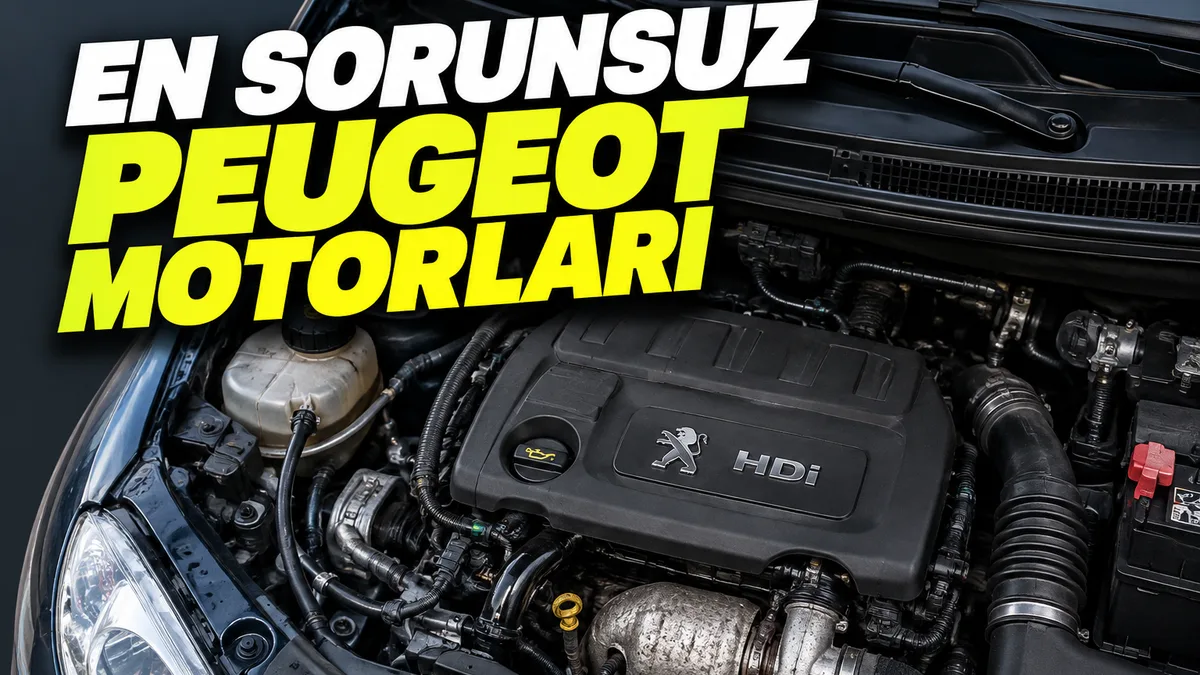

When shopping for a used car, an engine's track record often matters more than the badge on the boot. Two engines offered in the same body can behave completely differently: one shrugs off hundreds of thousands of kilometres, while the other generates a steady stream of repair bills.
Few brands illustrate this better than Peugeot. Some of the company's older naturally aspirated petrol units and HDi diesels are still on the road today with enormous mileage on the clock, thanks to deliberately simple mechanical designs that keep both failure rates and repair costs low.
So if you're eyeing a second-hand Peugeot, knowing which engine sits under the bonnet makes the decision considerably easier. Here are the units that have earned a reputation for durability.
Petrol: the naturally aspirated trio
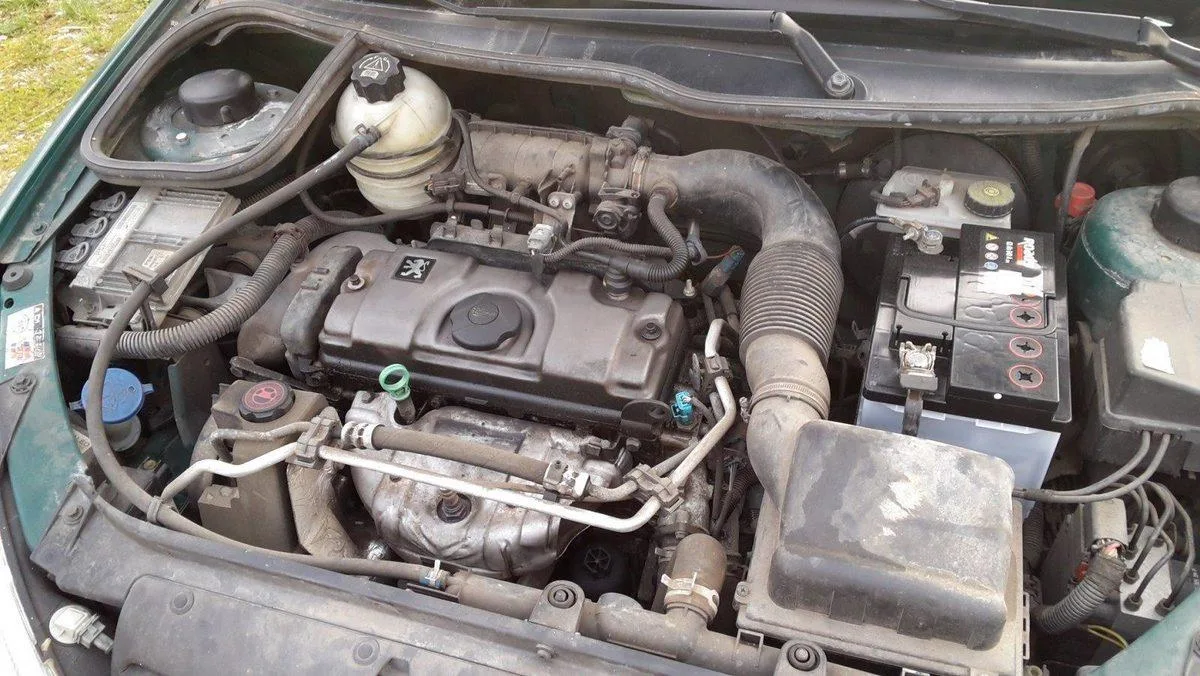
The petrol engines that lasted a lifetime in Peugeots share one defining trait: no turbocharger and no complex direct injection. Simple mechanical layouts keep repair bills down and push the odds of a breakdown to a minimum.
The first standout is the 1.6 16V (TU5JP4). Also known by its NFU engine code, this unit powered models such as the 206, 307 and Partner, producing around 110 hp from its 1.6-litre capacity. Its excellent compatibility with LPG - and its tolerance of even neglectful maintenance - made it one of the most beloved engines for years. As long as the timing belt schedule is respected, owners rarely need to visit a mechanic.
Next comes the 1.4 8V (TU3JP). With eight valves and natural aspiration, it produces roughly 75 hp and delivers genuine fuel economy in city driving, especially in light bodies like the 206. The absence of modern complications such as variable valve timing reduces the risk of failure, while cheap and universally available parts keep running costs noticeably low.
For buyers wanting more performance from the naturally aspirated camp, the pick is the 2.0 16V (EW10J4). Found in the 206 GTI, 307 and 406, this 136 hp unit offered competitive power for its era without any turbo assistance. Watch for the slight oil consumption that can appear at high mileage, plus its sensitivity around ignition coils, and it will deliver spirited driving for years.
Diesel legends: the HDi family and the 1.9 D
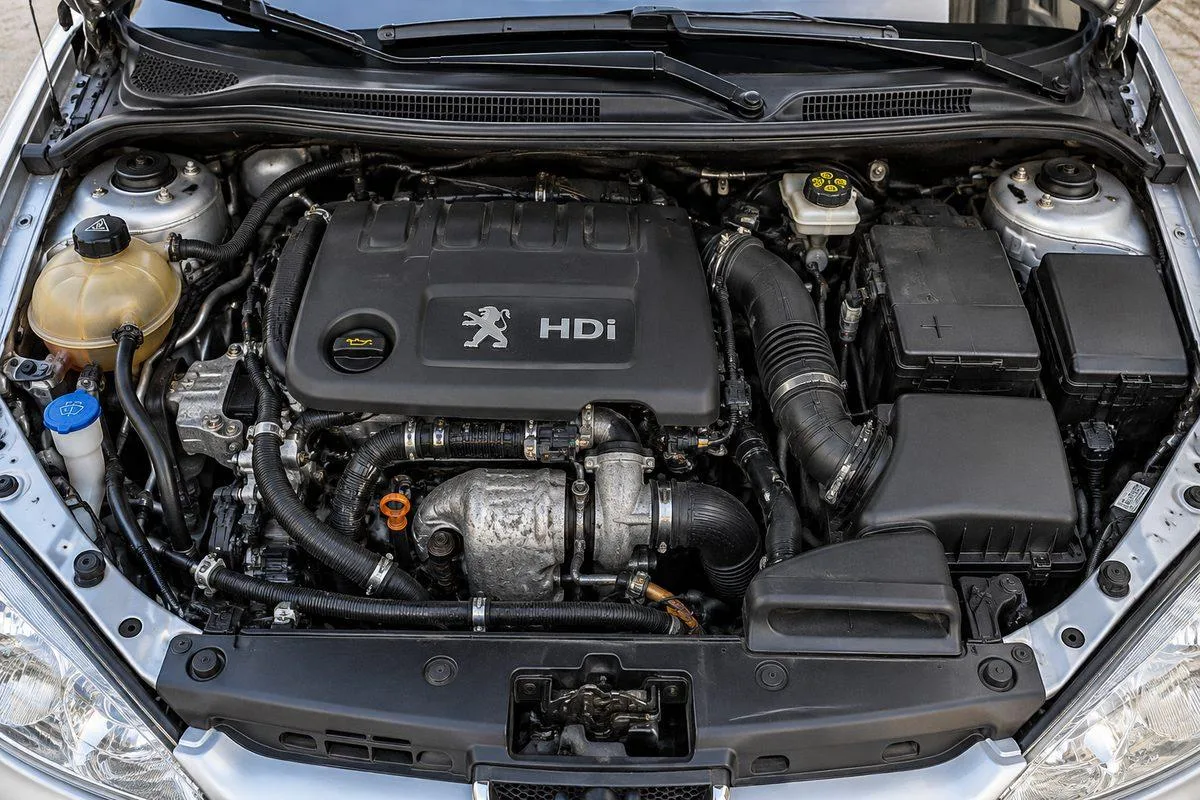
Peugeot's diesel side has its own success stories - units that combine strong torque with low fuel consumption while retaining the strength of a cast-iron block, still setting mileage records today.
The undisputed leader is the 2.0 HDi (DW10) family. Serving in countless models since 1998, the first-generation 90 hp DW10TD versions became the stuff of legend by completing 1 million kilometres in commercial and private use without ever needing an engine rebuild. A fundamental design that resists high pressures and poor fuel quality has made it the brand's iconic diesel.
Going further back, there's the 1.9 D (DW8). This naturally aspirated unit is mechanical simplicity at its peak: no turbo, no common-rail injection, no particulate filter - none of the components that generate costs in modern diesels. Performance falls short of current standards, but with no extra parts to break, it stands tank-like in terms of durability.
Even the toughest engine needs care
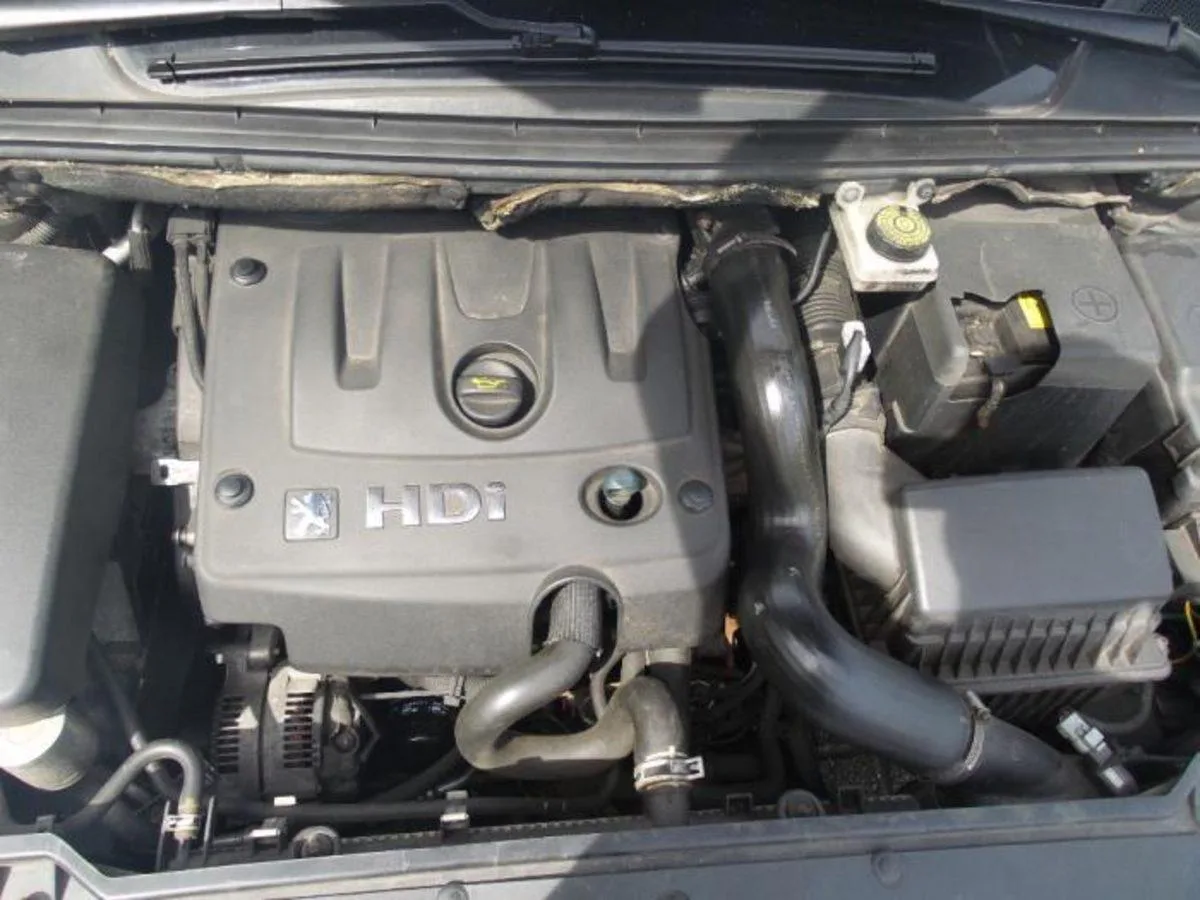
Owning - or buying - a Peugeot engine that has covered a million kilometres is not a licence for neglect. Even the strongest cast-iron blocks can produce major repair bills when faced with certain oversights. The key points for extending engine life:
- Timing belt and water pump: If the timing belt snaps on naturally aspirated petrol engines like the TU5JP4 or TU3, the valves bend and the cylinder head is damaged. Replace the belt on schedule - and the water pump along with it.
- Antifreeze and coolant: In ageing blocks (such as the TU3JP and EW10J4), tap water rots the head gasket and invites corrosion. If you don't want oil and coolant mixing, never compromise on quality red/organic antifreeze.
- Head gasket and oil leaks: Older 1.4 and 1.6 naturally aspirated engines can show gasket weeping or minor oil leaks as they age. Checking the oil level regularly is the first requirement for preventing bearing damage.
- Oil choice and turbo filter on diesels: However strong the 2.0 HDi block is, the wrong viscosity or poor-quality oil leaves carbon deposits in the turbo's oiling channels. Quality oil and original filters protect the turbo and injectors.
- Ignition coils and throttle body: In petrol engines, a poor or faulty coil invites misfires. On LPG-equipped cars, a dirty throttle body can upset the idle; cleaning it occasionally keeps the engine happy.



Comments (0)
No comments yet. Be the first!