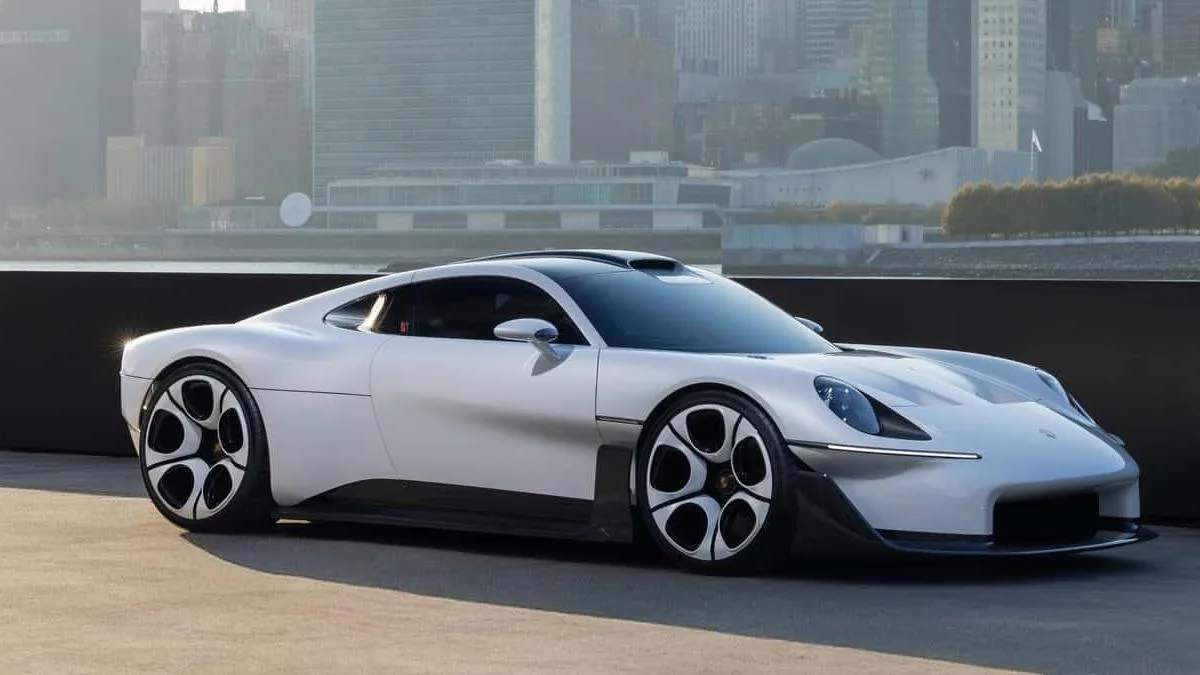

Porsche has pulled the covers off the Mission S, a new concept car that goes beyond the boundaries drawn by the 911. Envisioned as a mid-engine supercar, the Mission S represents both the brand's future design language and an entirely new super sports car platform that could permanently join the product lineup.
The German manufacturer has not yet said what architecture lies beneath the concept's body. Still, Porsche stresses that the Mission S is not merely a design exercise — the possibility of it making the leap to series production is seriously on the table.
Design Inspired by Iconic Models
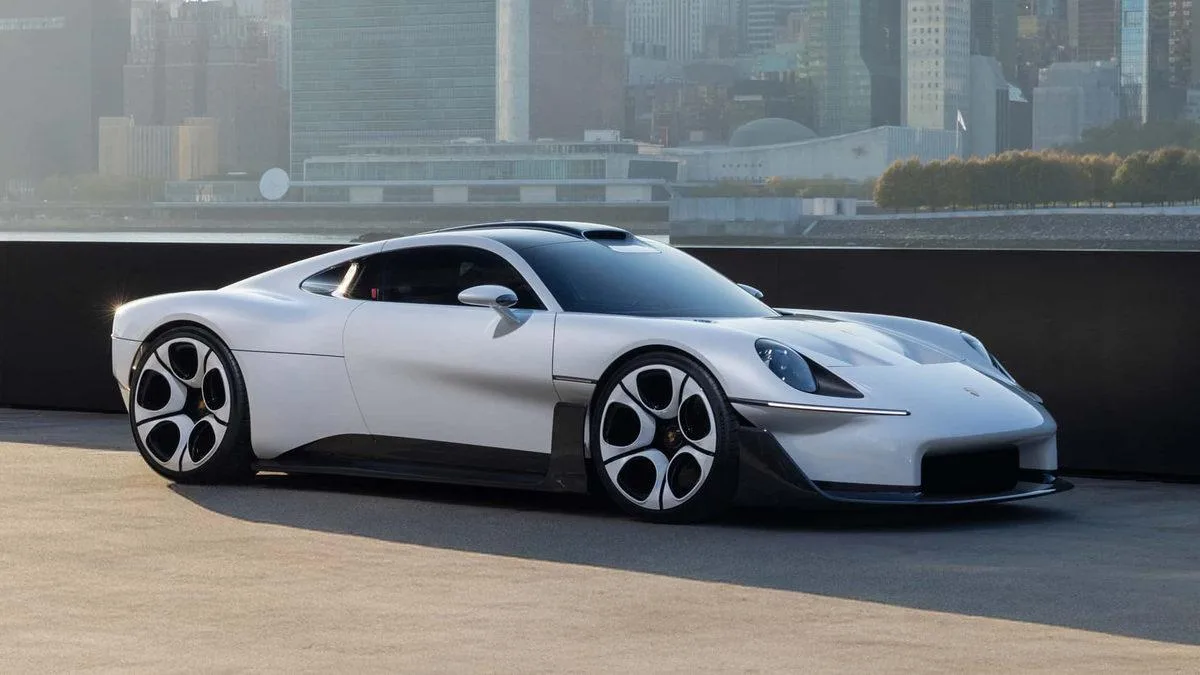
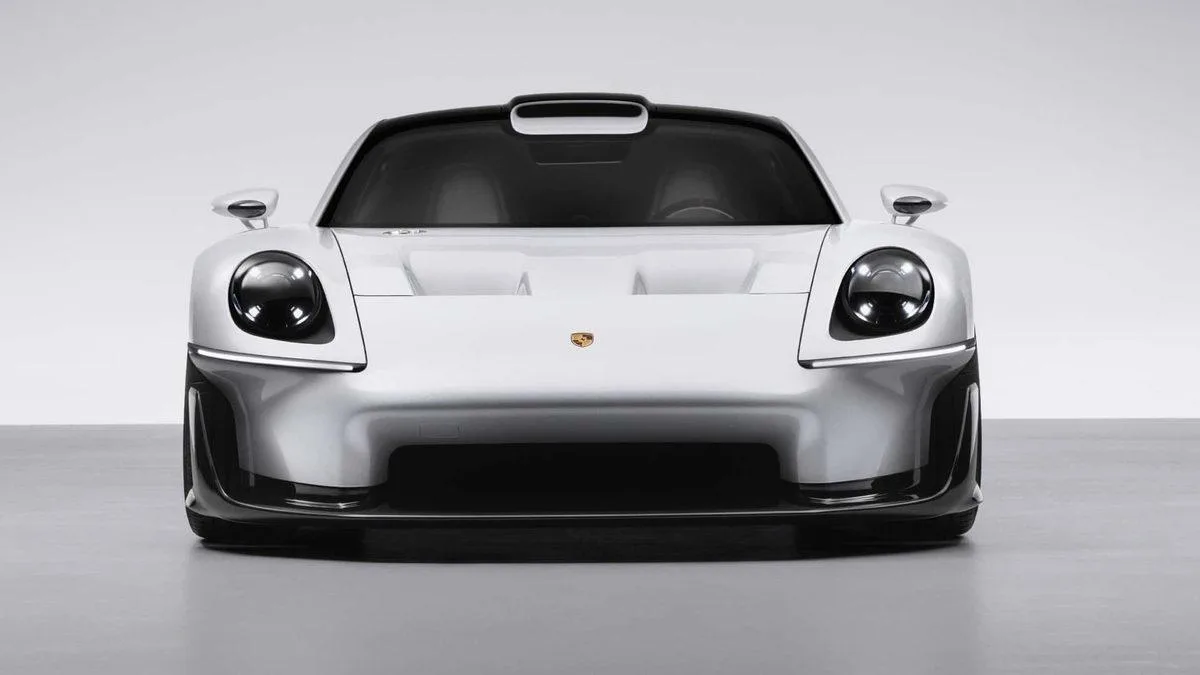
The Mission S's lines carry echoes of road and racing cars that have gone down in Porsche history, such as the 911, 959, 917 and GT1. A low front section, torpedo-shaped fenders and rounded headlights blend classic brand identity with a contemporary language. The design team calls its approach "floating volumes," which makes the body panels appear to hover over the car.
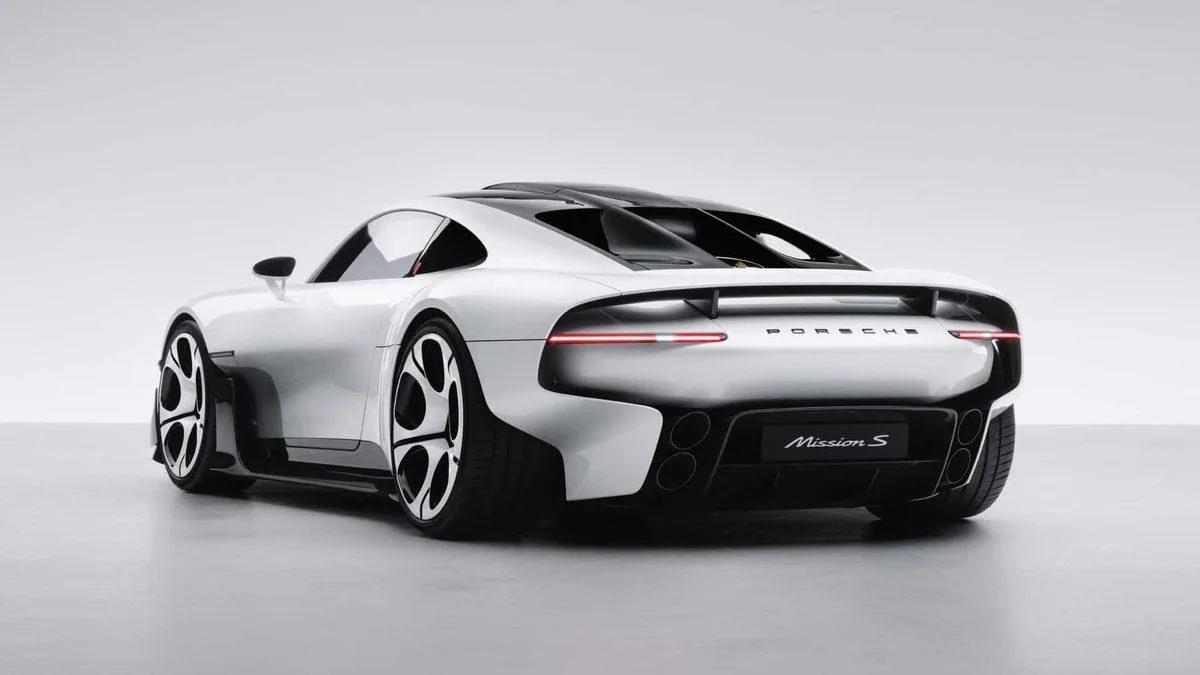
The effect is especially pronounced at the rear: a GT1-inspired "car within a car" concept wraps the engine bay and is completed by an active rear wing integrated into the body. The mid-engine layout sharpens the proportions with a single uninterrupted line connecting the front and rear headlights. The fan-like cooling elements in the engine bay nod to the 917, while the lightweight alloy wheels reference the 928.
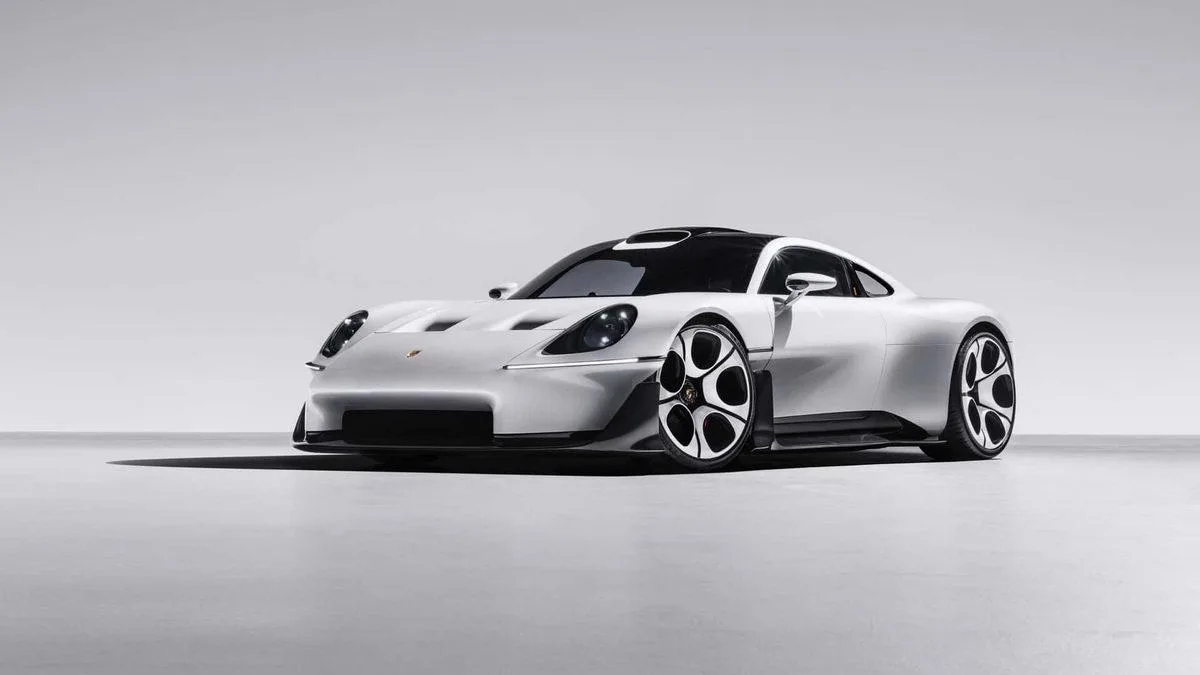
Brand CEO Dr. Michael Leiters said the core goal with the Mission S was to make the car "recognizable as a Porsche at first glance."
On the Road to Production?
The development process forms the first step of Porsche's comprehensive "Sportwagenschmiede '35" strategy. Company executive Tobias Sühlmann emphasized that the concept concretizes the design direction planned to be carried over to future series production models.
Porsche is staying quiet for now on technical data, performance figures, pricing and the production schedule. The only clear statement made so far is that the car will not be electric.
A Minimalist, Driver-Focused Cabin
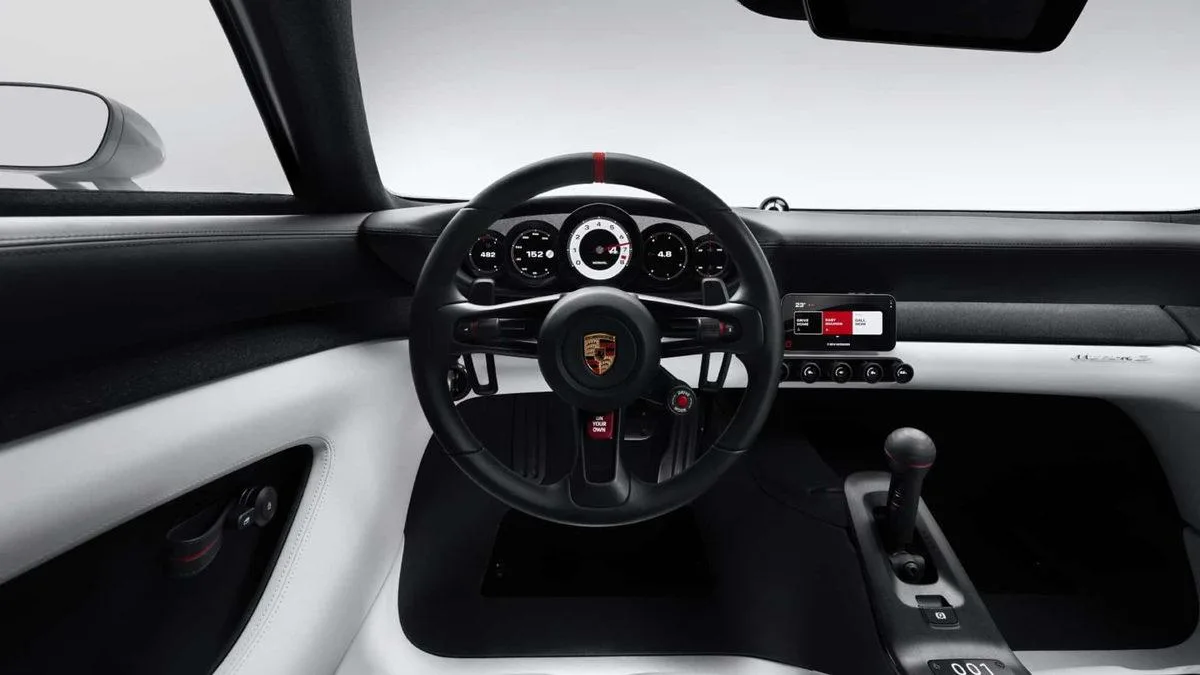
A driver-centric philosophy dominates the interior as well. Rather than filling the console with touchscreens, Porsche has opted for a minimalist layout, drawing inspiration for the cabin architecture from early models such as the 550 Spyder and the 356.
Two prominent lines running from the console to the doors create a cockpit feel that wraps around the driver. Behind the steering wheel sit five round analog gauges with an analog tachometer at the center. Digital displays are not entirely absent; they are placed behind the analog gauges to add three-dimensional depth and can shift position depending on the drive mode. Physical buttons and switches take center stage, while pull-push style controls for driving and comfort functions also feature in the cabin.

Comments (0)
No comments yet. Be the first!