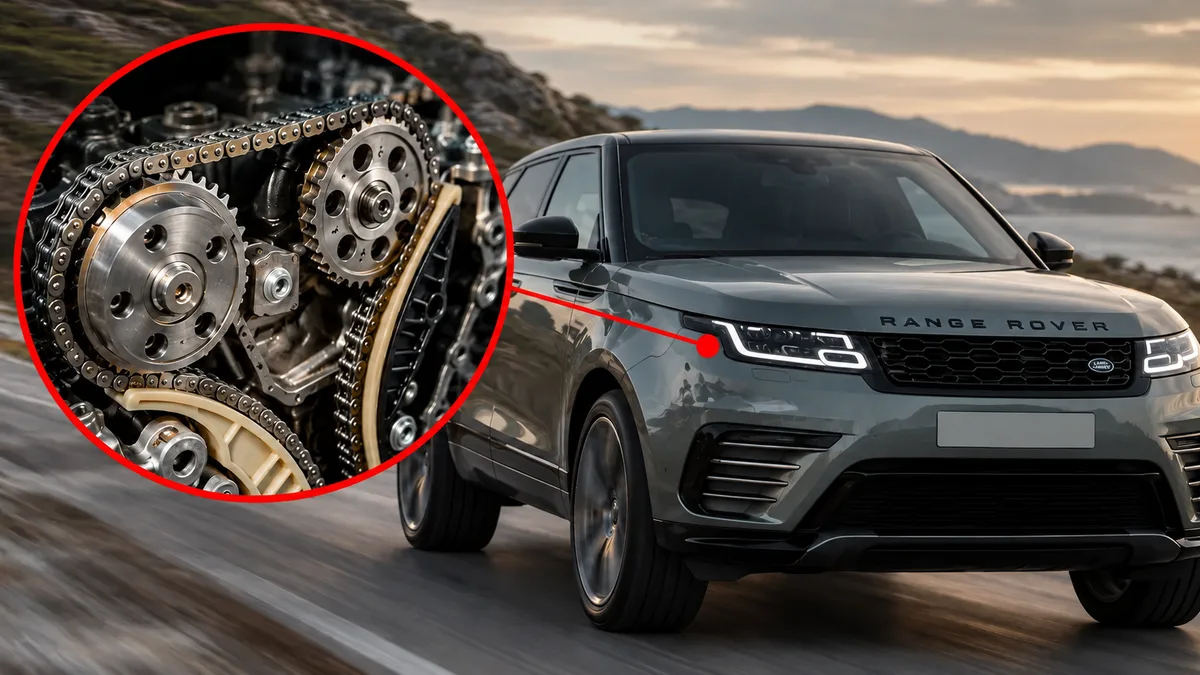

The Range Rover has become a symbol of British luxury, winning fans with its comfort and off-road ability. But these prestigious SUVs are also a focal point for complaints about engine failures, particularly on the used market. Problems concentrated in certain model years have sparked debates that call the brand's reliability reputation into question.
So what pushes these luxury vehicles into chronic failure territory? Here's a breakdown, engine by engine.
Chain stretch in the 2.0 Ingenium diesel
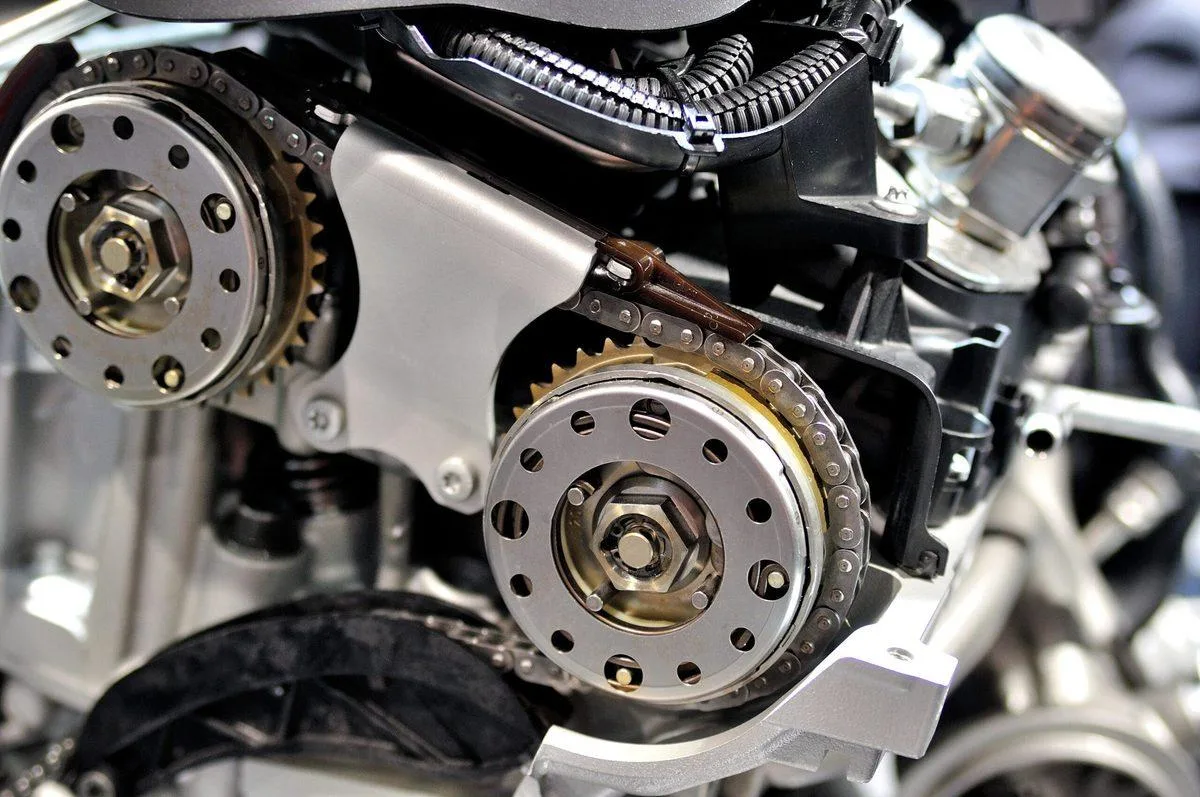
The most troubled unit of recent years is undoubtedly the 2.0-litre Ingenium diesel. Widely used in the Evoque and Velar, these engines can see the timing chain stretch and develop excessive slack over time. The result? A warning light, a serious drop in performance and, especially at start-up, an unpleasant rattling noise.
The issue grew so large that Jaguar Land Rover launched a free repair campaign in South Korea in the final months of 2024 for 2.0 diesels from a specific production period. The company confirmed the problem stemmed from chain stretch on the production line and replaced the tensioners and chain kit with new ones. For vehicles elsewhere, the inspection process works via a VIN-based lookup.
3.0 TDV6 and SDV6: the seized-engine scenario
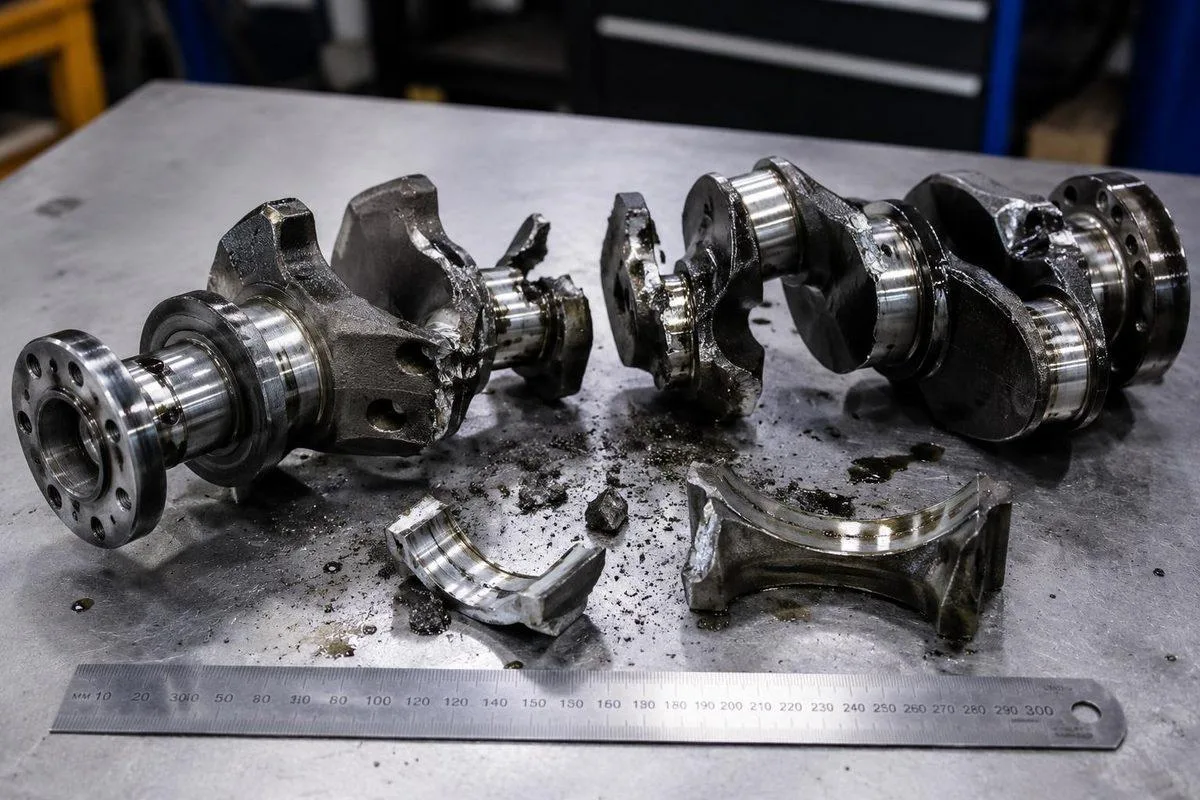
If you've come across a "Range Rover engine seized" thread on online car forums, it almost certainly concerns a 3.0-litre TDV6 or SDV6 unit. The crankshaft and bearing problems seen in these engines can turn into large-scale mechanical destruction inside the block, making them among the costliest failures of all.
That said, it would be wrong to claim every 3.0-litre Range Rover will leave you stranded. The real deciding factors are healthy lubrication and the car's service history. When evaluating a used candidate with this engine, trust a thorough mechanical inspection by a well-equipped workshop rather than the odometer reading.
Weak spots in the 5.0 V8 petrol
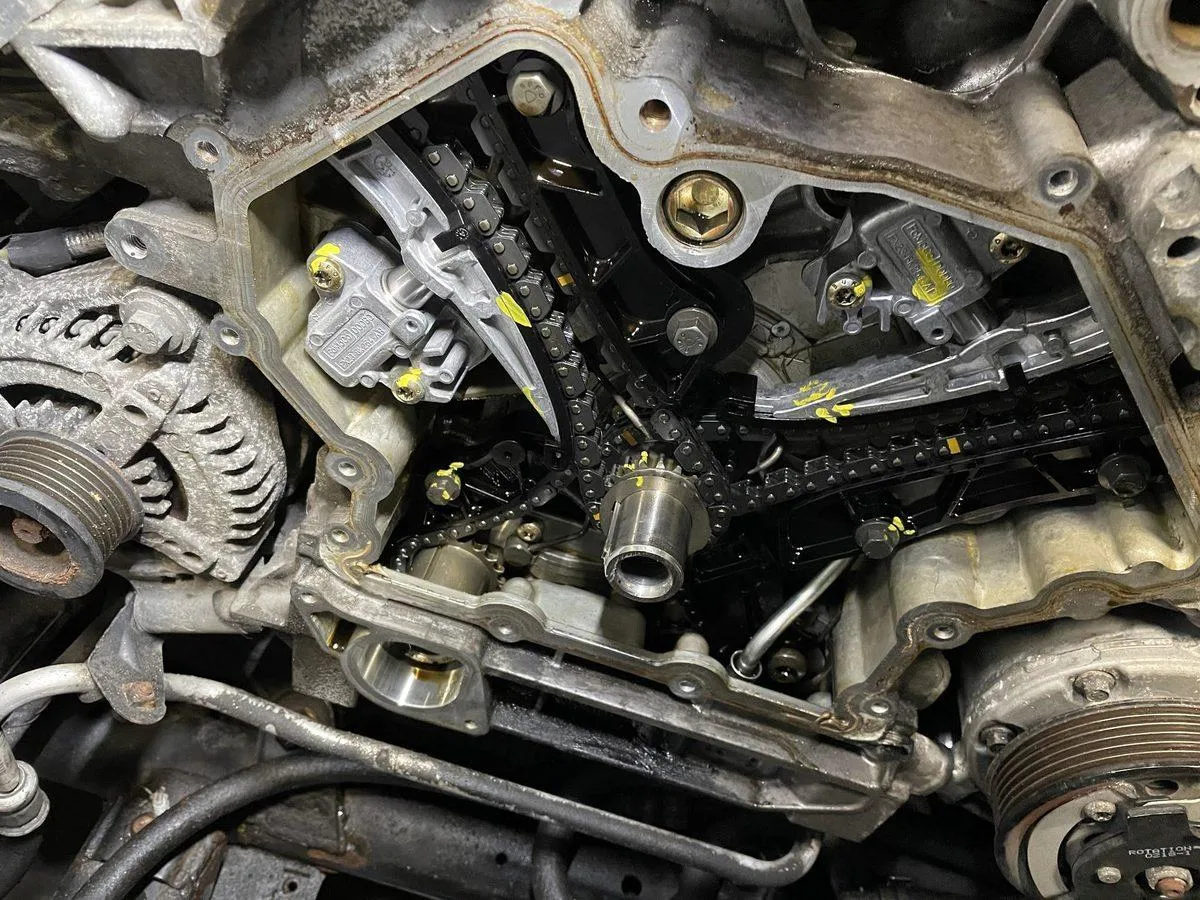
The legendary 5.0 V8 petrol engine's sound is inseparable from the Range Rover experience. But the unit behind that massive performance isn't flawless either. In early production years, the timing chain tensioners and guides caused serious chronic headaches. Rattling noises on a cold first start should be treated as the first warning sign from this system.
The second critical area is cooling. The water pump and plastic fittings can loosen and start leaking over time. In these engines, which tolerate high heat poorly, an overlooked overheating episode can produce a bill stretching all the way to the cylinder head.

A recall reminder: newer models are at risk too
It would be a mistake to pin this entire picture on older models. Jaguar Land Rover recently issued a safety recall covering certain vehicles built between 2020 and 2023, as well as 2024 Velars. The reason: an insufficiently machined oil gallery in the six-cylinder petrol engines.
This manufacturing defect could lead to oil leaks and even a fire risk in the engine bay. The case, also logged with the US National Highway Traffic Safety Administration (NHTSA), proved that recall history should always be checked even when buying a brand-new or nearly new car.
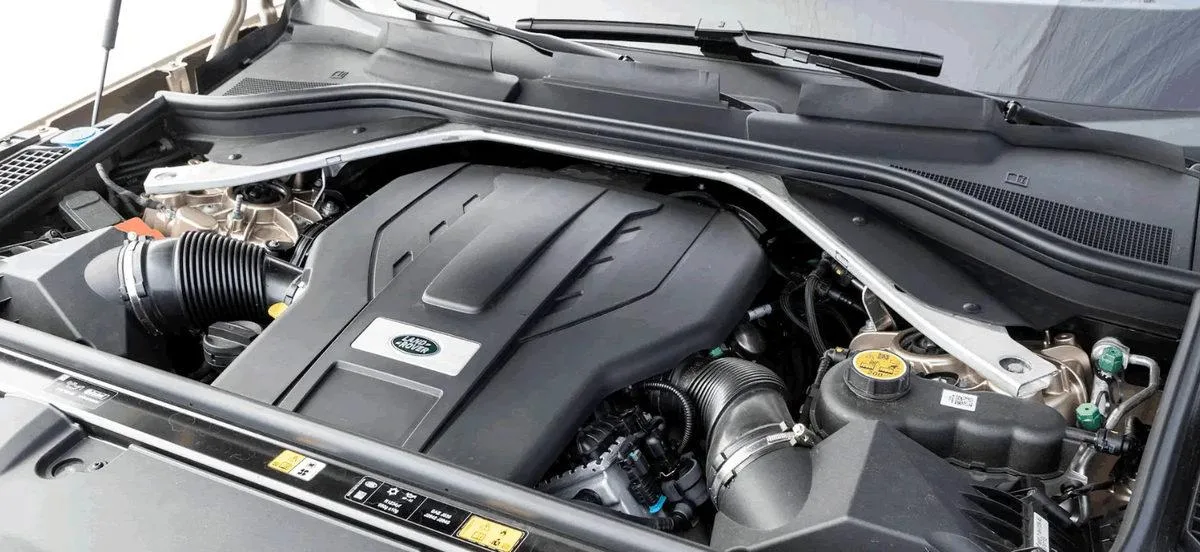
Technology load inflates repair bills
Reducing a Range Rover to just an engine block would be an oversight. Turbochargers, complex emissions systems and hybrid components are all part of these cars. Together, this high-tech load demands specialist expertise even to diagnose the smallest fault. Sometimes the engine has to be completely removed for what would otherwise be a simple replacement, which sends labour costs soaring.
Is the situation entirely bleak? No. In What Car?'s 2025 reliability survey, Land Rover ranked 26th out of 30 brands, languishing near the bottom. But there's a notable detail: in the same study, the new-generation Range Rover Sport scored 94.9% in the luxury SUV class, taking 3rd place. In short, rather than writing off the whole brand, the key is choosing the right model and engine.




Comments (0)
No comments yet. Be the first!