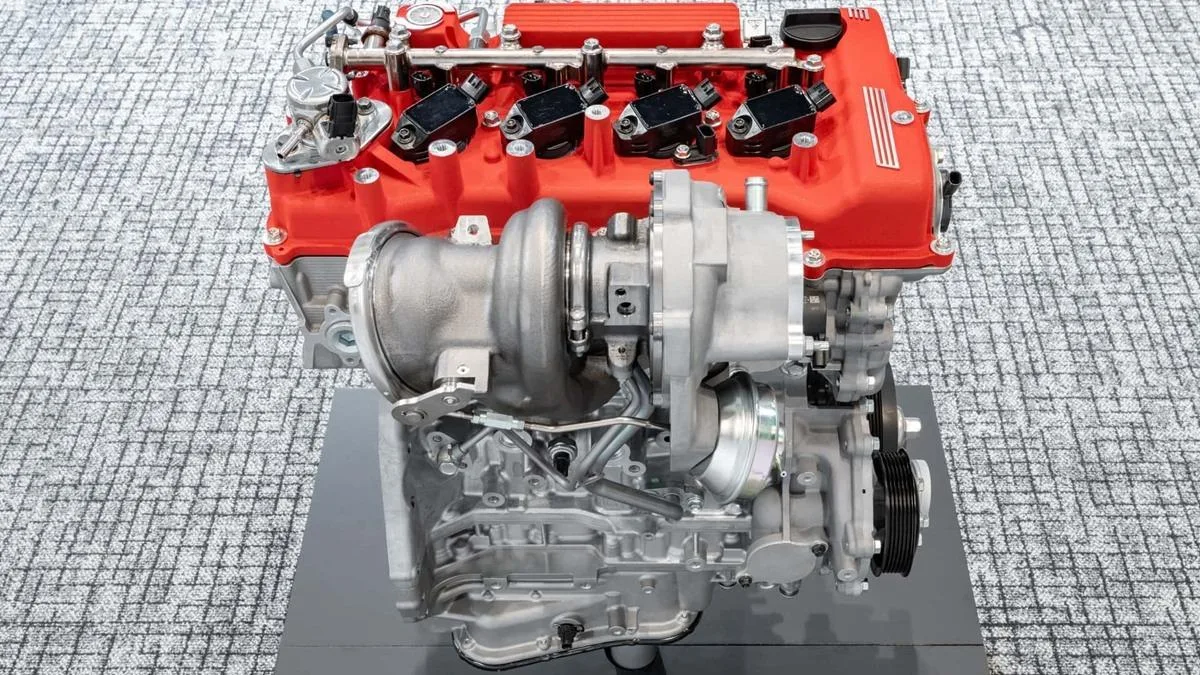

At a time when much of the auto industry is racing to electrify, Toyota is charting a surprisingly different course. The Japanese giant is not only developing a new generation of petrol and hybrid engines for its own models — it intends to sell that hardware to other brands and turn it into a major revenue stream.
The financial ambition is considerable. According to Automotive News, Toyota aims to earn roughly €1.5 billion (about $1.7 billion) a year from engine and hybrid drivetrain sales by 2032. The company expects €500 million in orders for this year alone, with first deliveries projected for 2027.
Japanese brands are the likely customers
Toyota has not officially named any customers, but its shareholdings offer strong clues. The company owns all of Daihatsu, holds 21.5% of Subaru and 5.1% of Mazda. These ties give the group access to an annual production volume of 16 million vehicles, more than half of which comes from the Toyota, Lexus and Daihatsu brands.
Cooperation is already a reality today: the Mazda CX-50 rides on Toyota hybrid underpinnings, Subaru's latest hybrid models use Toyota-sourced electric components, and Suzuki uses some Toyota engines. Still, not every partner will automatically switch to the new units. Mazda is developing its own "Skyactiv-Z" engine and hybrid architecture for the new CX-5, while Subaru is sticking with its classic boxer design, targeting 50% thermal efficiency.
The compact engine family debuted in 2024
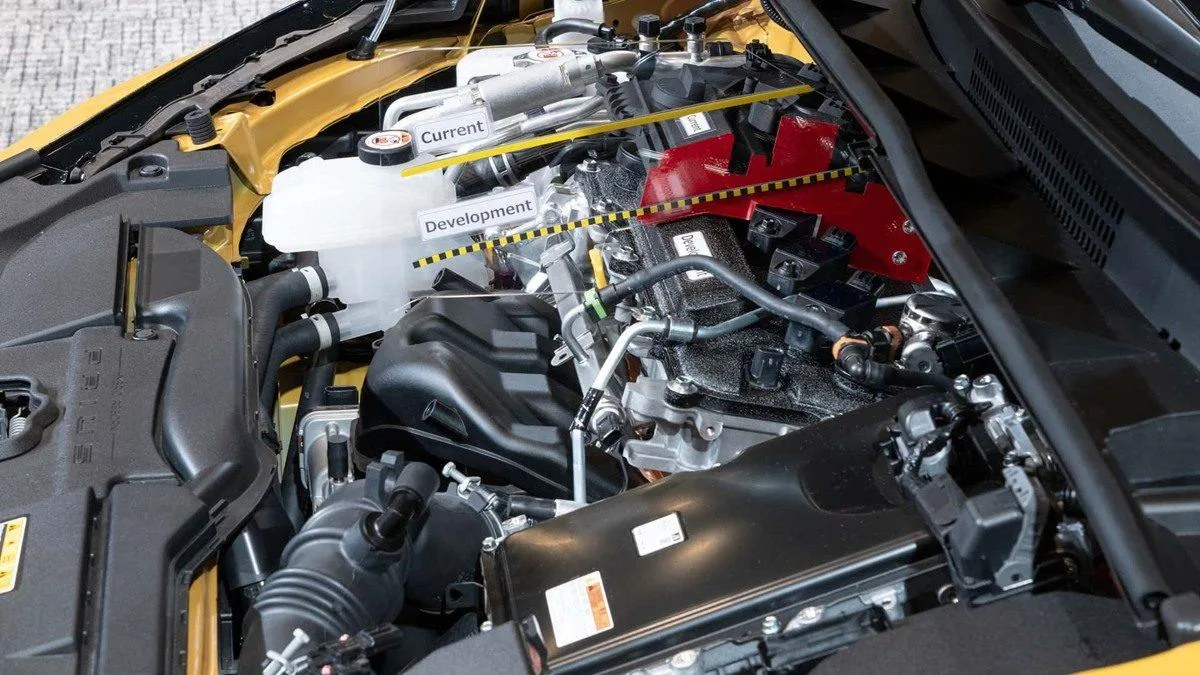
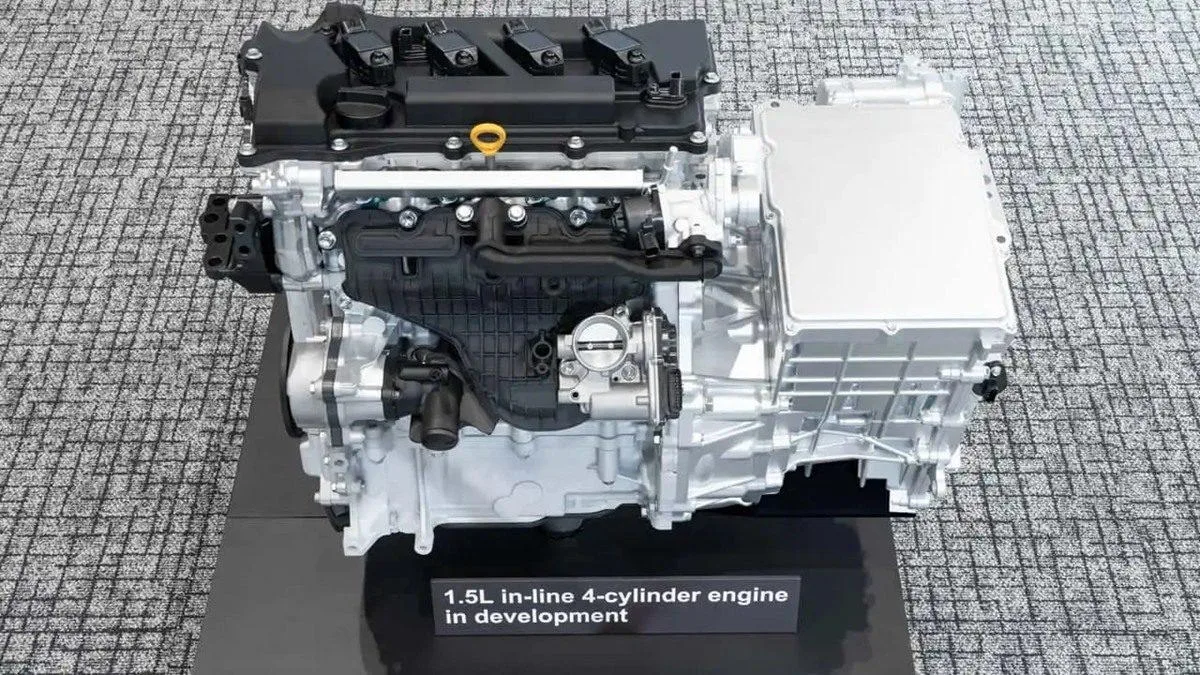
Developing engines from scratch is becoming ever more expensive. For brands that want to keep their own engineering path, Toyota's off-the-shelf solutions offer an economical way out — while Toyota spreads its R&D spending across a broad customer base. The family, first detailed in 2024, consists of a 1.5-litre naturally aspirated unit, a 1.5-litre turbo and a 2.0-litre turbo four-cylinder.
The new engines are significantly smaller and more efficient than their predecessors. The 1.5 turbo promises the output of the classic 2.5-litre naturally aspirated unit, while the 2.0 turbo aims to deliver more power than the current 2.4 turbo while burning less fuel.
Built for the hybrid era
Toyota sees the combustion engine and the electric system as complements rather than alternatives. The new family was designed to work seamlessly with hybrid systems. The 2.0-litre turbo is flexible enough for both hybrid setups and pure petrol applications, and its compact dimensions allow easy integration into different platforms and powertrain architectures.
One engine is excluded from the sales programme: the 4.0-litre twin-turbo V8 developed for the GR GT. Toyota is expected to showcase that special unit later in a flagship model from Lexus or the Century family.


Comments (0)
No comments yet. Be the first!