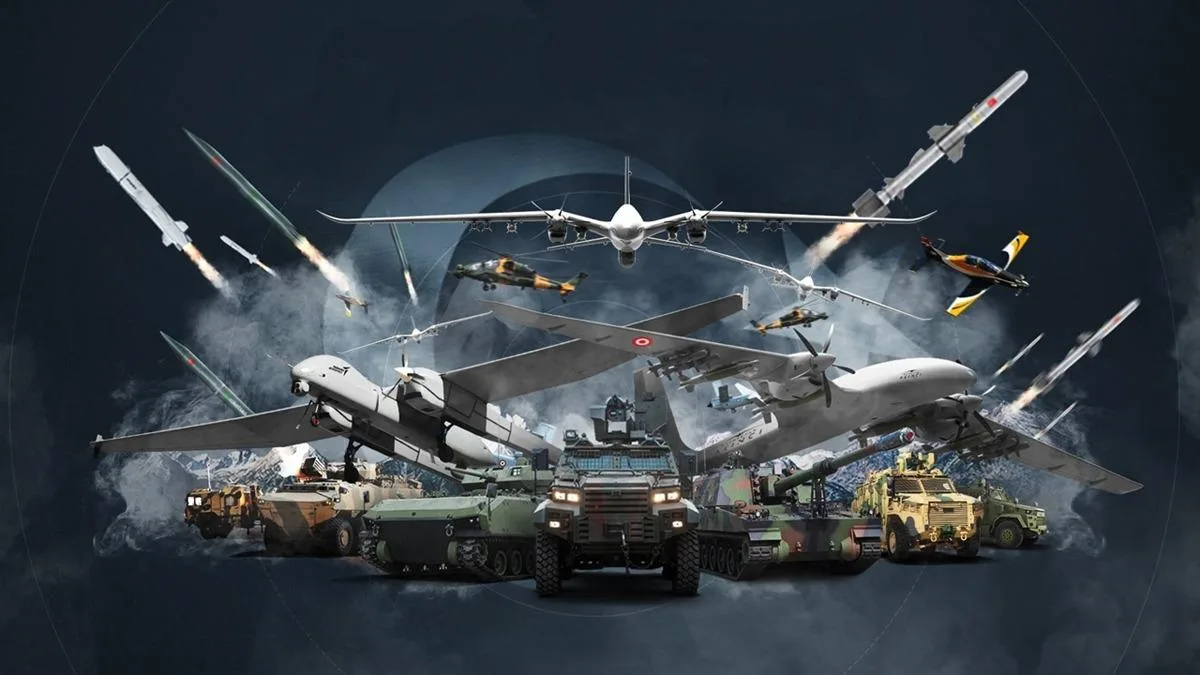

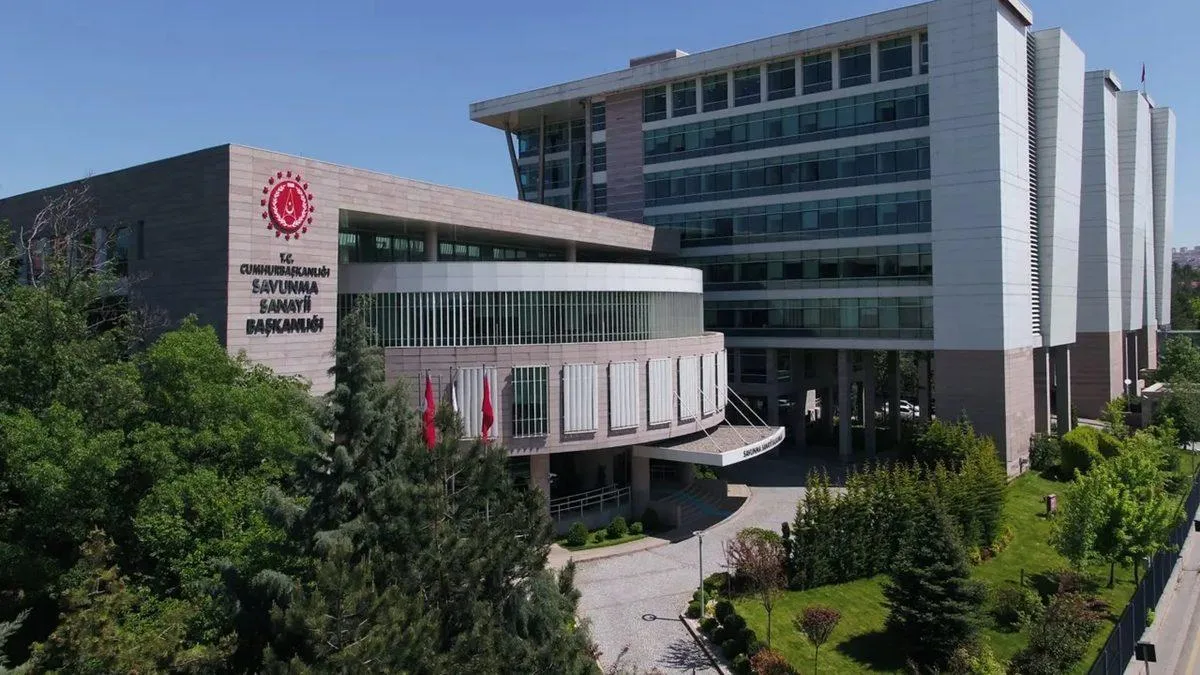
Several of Turkey's leading defense contractors — ASELSAN, ROKETSAN, HAVELSAN and TEI — have decided to block foreign-made electric vehicles from entering their campuses. The move, which has sparked heated public debate, was explained by TEI General Manager Prof. Dr. Mahmut Faruk Akşit.
The decision rests on advanced camera systems, AI-based simulations and software architectures that cannot be audited from the outside. According to experts, these elements pose serious security threats to strategic facilities.
Data-collection stations on wheels
Modern electric vehicles are no longer just means of transport; they are mobile sensor platforms that continuously scan their surroundings. High-resolution cameras, radars and lidar units serving driver-assistance systems can record roads inside a facility, the layout of critical buildings and entry and exit points in remarkable detail.
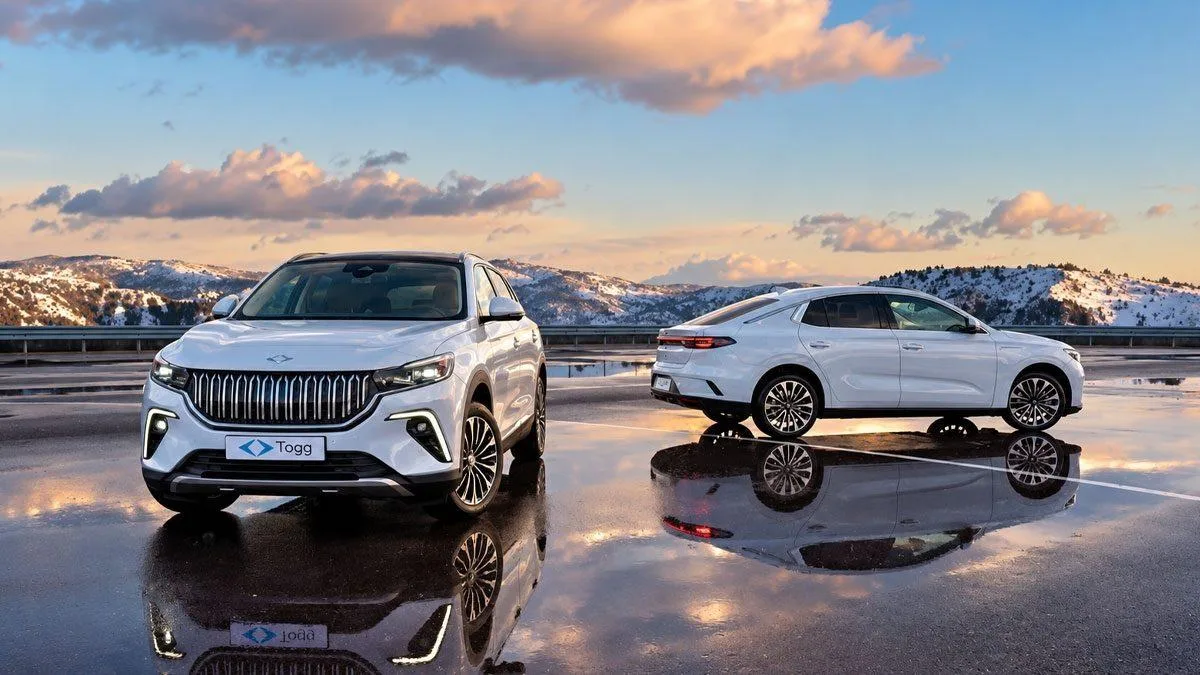
The possibility that these internet-connected vehicles could transmit captured imagery and telemetry data to manufacturer servers abroad is seen as a direct risk to military information security. Domestically produced vehicles, whose software and control mechanisms local engineers can inspect, are admitted to the campuses, while foreign models open to external control are kept out on security grounds.
A guided missile on wheels
The most striking aspect of the decision is based on AI-assisted warfare simulations. Prof. Dr. Mahmut Faruk Akşit said that in simulations carried out, smart cars hijacked through cyber intervention could be turned into attack weapons. The modeled scenarios foresee such vehicles being directed at military base gates or critical buildings and used like "guided missiles moving on the ground."
A similar concern has surfaced globally before: in 2021, China restricted Tesla vehicles from entering military zones over data-leak fears. Experts note that cyber vulnerabilities are not unique to electric vehicles — all internet-connected new-generation cars and smart devices carry similar risks.
The ban's scope is said to be limited to the private campuses and critical facilities of ASELSAN, ROKETSAN, HAVELSAN and TEI. The decision has no binding effect on civilian traffic, public spaces or general vehicle use.



Comments (0)
No comments yet. Be the first!