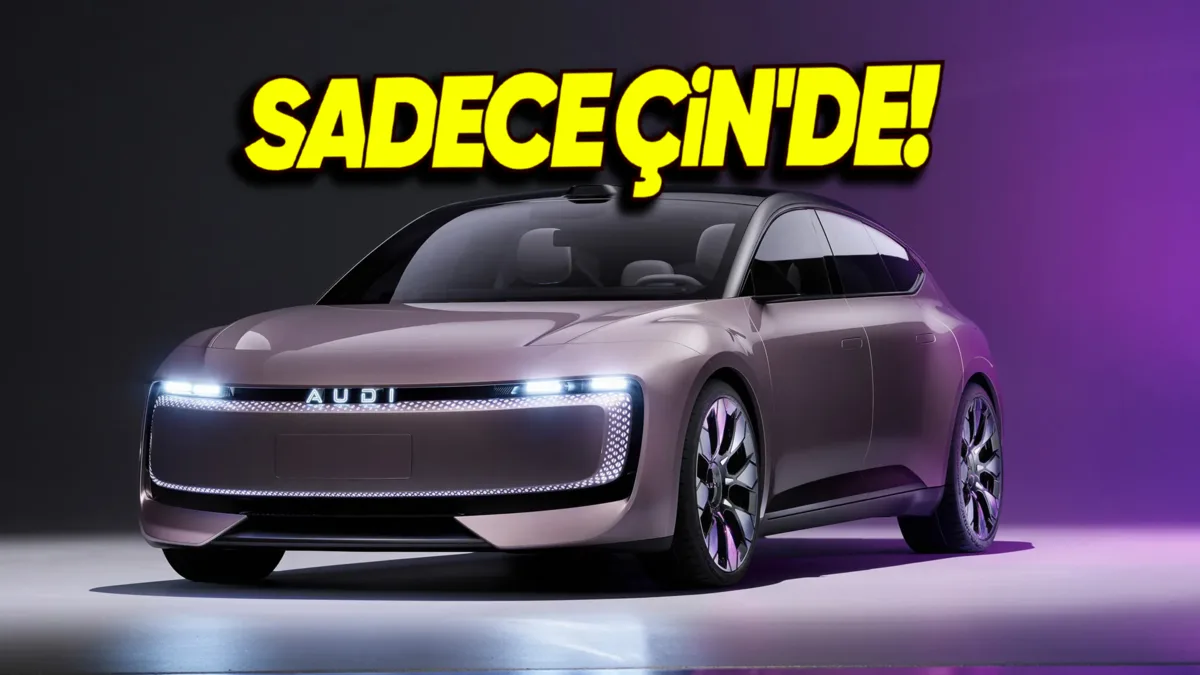

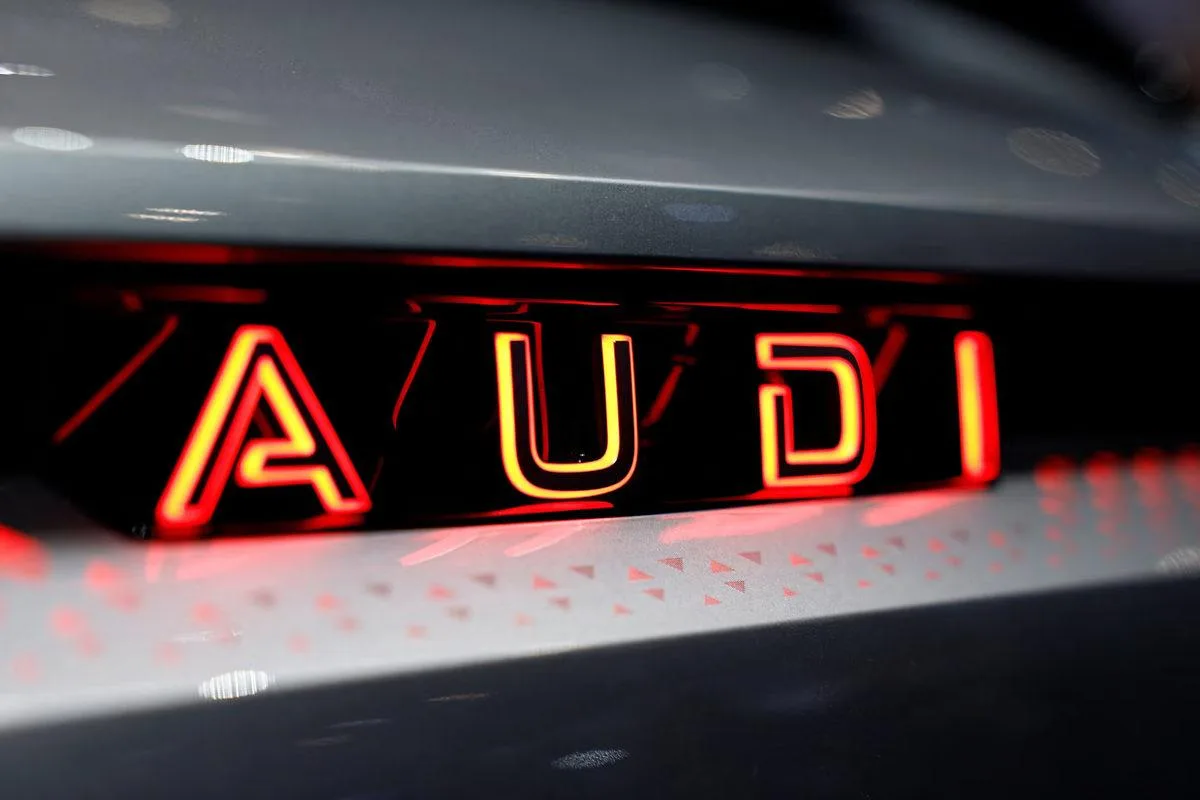
Audi is known worldwide for a consistent design language and brand identity. In China, however, the picture is completely different: on the models built specifically for that market, the four-ring emblem is replaced by nothing more than the word "AUDI" in capital letters. So why has the German manufacturer gone to such a radical extreme?
China is a market Audi cannot afford to lose
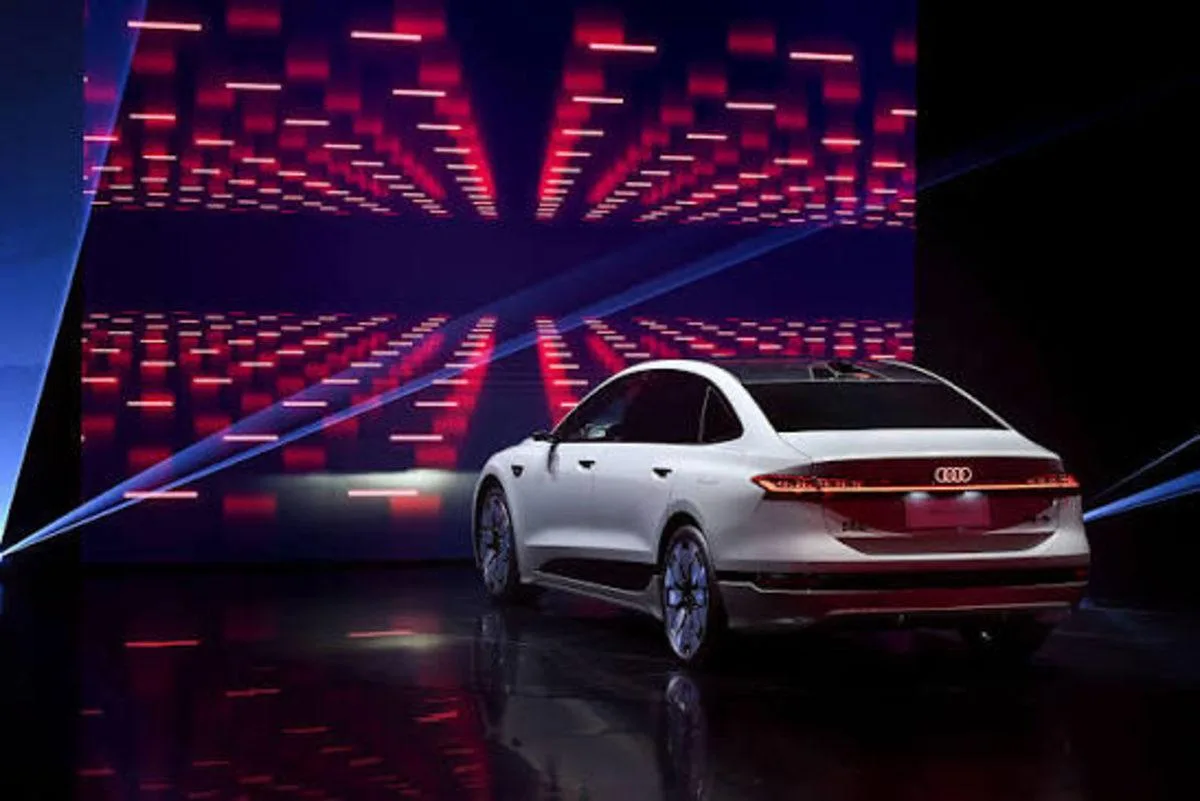
China is one of the largest and most competitive markets in the automotive world. Audi has been active there for years, and rather than settling for being just another player, it has chosen to rewrite the rules in its own favour.
Chinese consumers' demands evolve so quickly that keeping pace with global models is nearly impossible. That's why the brand doesn't just adapt its existing line-up — it develops entirely new vehicle families unique to that market.
What do Chinese drivers expect from a car?
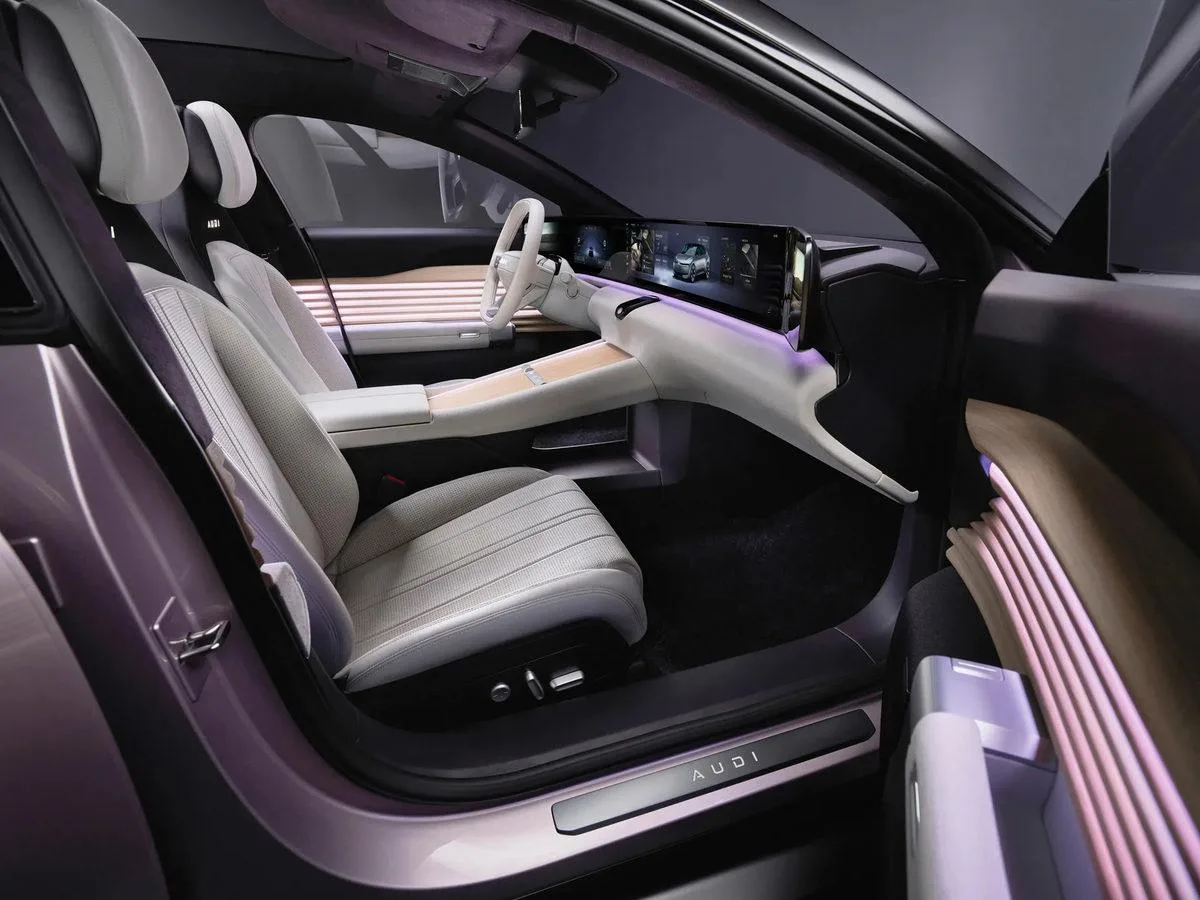
For most of us, driving dynamics, design and engine performance tend to dominate the buying decision. In China, the priorities have shifted: performance and safety still matter, but rear-seat comfort, enormous screens, AI-powered assistants and smart driving solutions often outrank everything else.
What does the "L" in the model names mean?
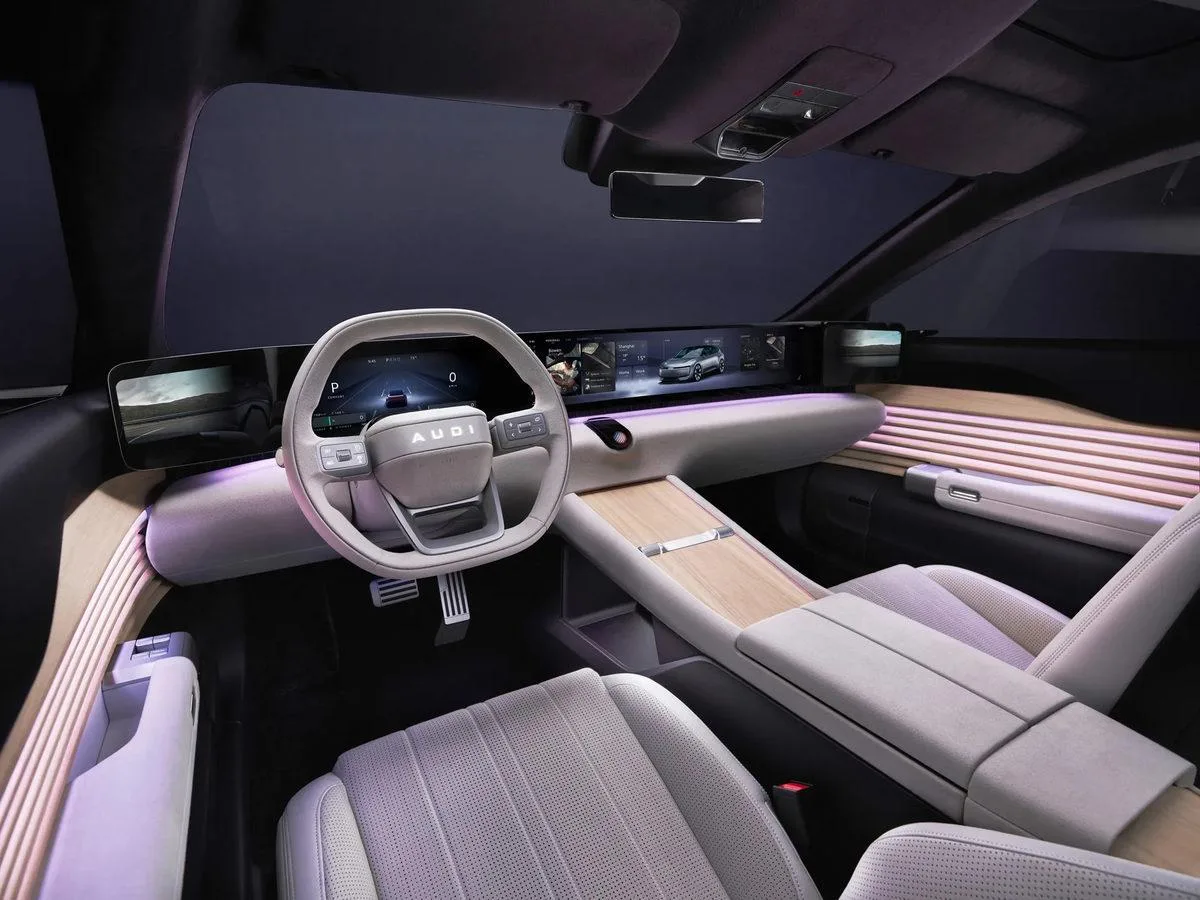
The "L" seen on China-specific vehicles stands for a long wheelbase — the distance between the centres of the front and rear wheels. As that distance grows, the cabin gains a surprising sense of space.
Audi is applying the same approach to its electric models, too. The Q6L e-tron, developed for China, has a wheelbase that is exactly 105 millimetres longer than the global version's.
In short, the strategy is not to design cars from scratch every time, but to fine-tune existing platforms to suit local tastes.
The competition is won in software
The car race in China isn't fought on horsepower alone; it's fought through software, app ecosystems, phone integration, local navigation and autonomous driving support. Drivers expect their cars to be at least as smart as their smartphones.
That's why Audi puts local digital ecosystems at the heart of its China-specific models. Advanced driver assistance systems tuned to local traffic and displays compatible with the local ecosystem sit at the centre of the plan.
Why aren't these cars available in Europe or elsewhere?
The answer to "If these models are so impressive, why aren't they sold here?" is simple: a formula that works perfectly in one market can lose all meaning in another's dynamics. Design sensibilities, hardware preferences and expectations around digital infrastructure vary significantly from country to country.
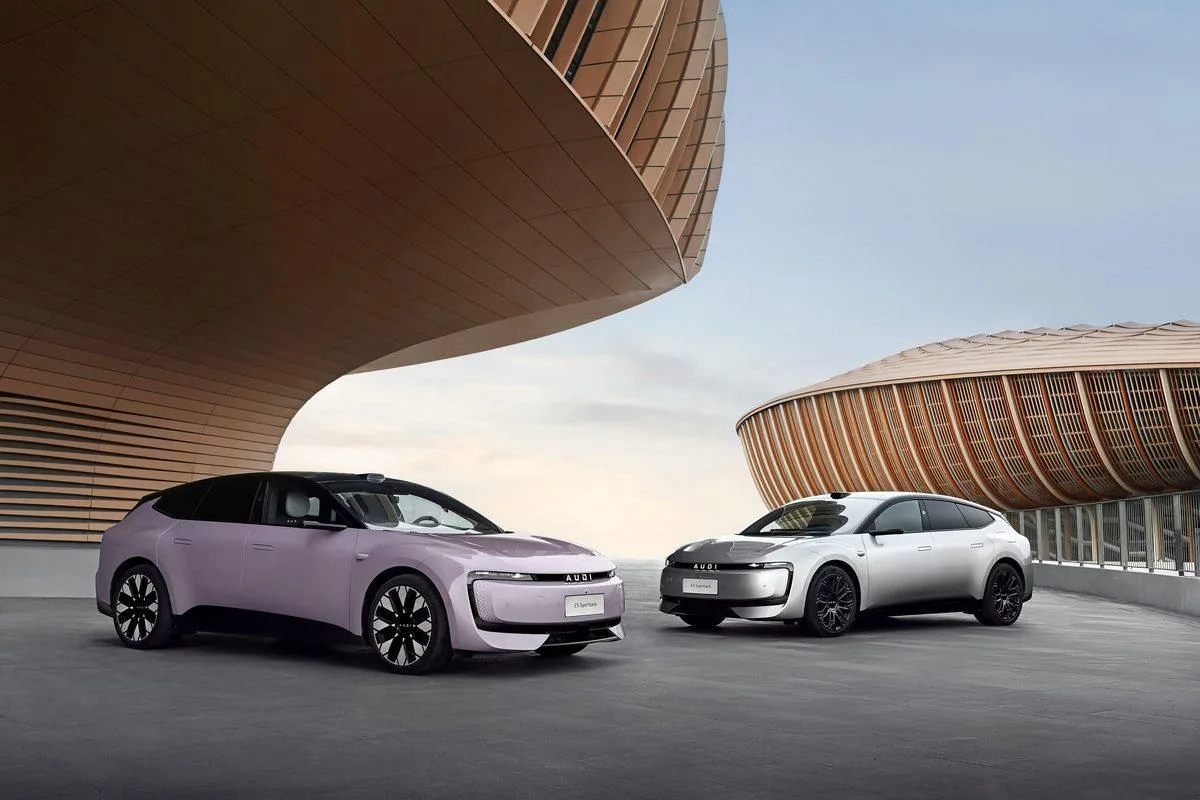
Indeed, models like the E5 Sportback and E7X — where Audi sets aside its ringed emblem in favour of the plain "AUDI" wordmark — are aimed squarely at this technology-focused Chinese audience.




Comments (0)
No comments yet. Be the first!