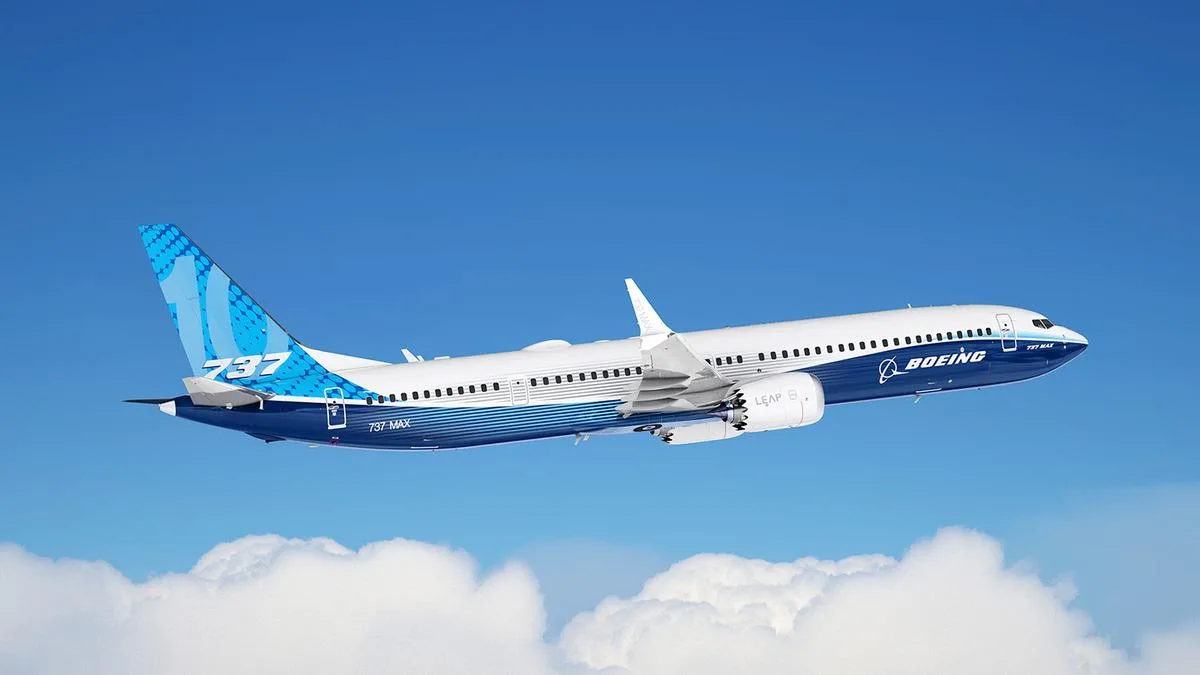

The US Federal Aviation Administration has finally given the green light to Boeing's long-awaited 737 MAX 10, formally opening the door to deliveries of the largest member of the MAX family.
The road to certification was anything but smooth. The aircraft logged a total of 2,000 hours in the air under demanding conditions, carrying out roughly 1,000 test flights along the way. Only after every open safety question had been closed did the model receive its official flight certificate.
What it means for airlines
The approval matters not just for Boeing but for passengers too. Operators will be able to carry larger groups of travelers on the same number of flights at lower cost, with the potential for a positive knock-on effect on ticket prices.
Key features of the MAX 10, the biggest aircraft in the series, include:
- Seating for up to 230 passengers, the peak of the MAX family.
- A range of 5,740 kilometers without the need for an additional fuel tank.
- 20 percent lower fuel consumption than previous generations.
- The lowest cost per seat among aircraft in its class, according to Boeing.
A new era on the safety front
Following the tragic accidents that marked the MAX program's earlier history, Boeing rethought this model with safety at its core. The MAX 10 holds the distinction of being the first passenger aircraft to achieve full compliance with the law known as ACSAA, widely regarded as one of the strictest aviation regulations in history.
The aircraft's new safety architecture continuously monitors flight balance, reduces pilot workload and neutralizes potential hazards before they can develop.
1,555 orders and WestJet first in line
The model's popularity is reflected in its order book. More than 30 airlines, including giants such as United, Ryanair and Delta, have already placed demand for a combined total of 1,555 aircraft.
The first commercial flights are planned for the start of the year, with Canada's WestJet fleet leading the way.






Comments (0)
No comments yet. Be the first!