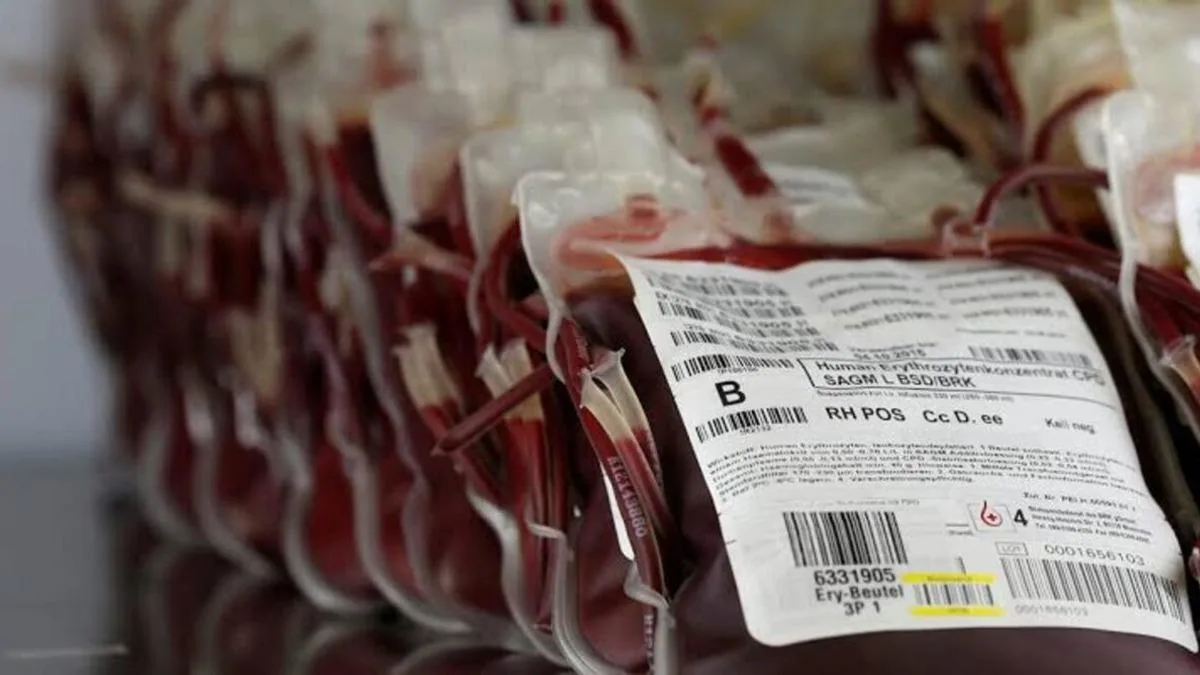

Cyberattackers in Europe have now set their sights on an area directly tied to human health. Hackers who infiltrated the cooling systems at three centers run by France's National Blood Establishment (EFS) attempted to tamper with the temperature settings of freezers storing blood and plasma products — systems normally kept at -30 degrees — by trying to raise them to 110 degrees.
A major disaster was averted at the last moment. Thanks to alarm systems that detected the unusual change in temperature thresholds, technicians intervened immediately. Teams unplugged the freezers and moved blood and plasma stocks — destined for the treatment of thousands of patients — to secure, offline backup storage.
Supermarket refrigerators were targeted before
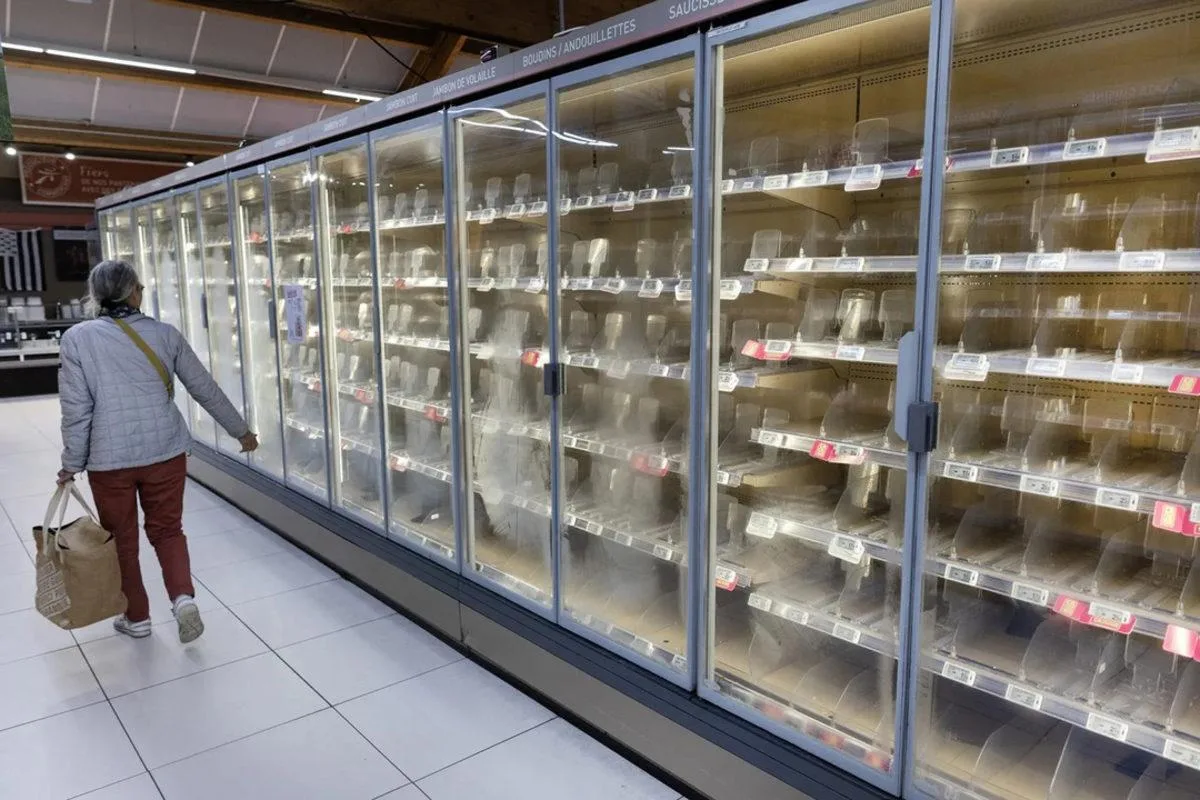
This attack did not happen in isolation. In recent weeks, similar intrusions have been made into the refrigerators of supermarket chains in more than 11 countries, including Belgium, Italy, the UK and France.
In those attacks, freezer temperatures were remotely raised to as much as 50 degrees, spoiling food products worth millions of euros. Retail giant Ahold Delhaize announced that its damage could reach 250 million euros — and that figure accounts for just a single company.
The picture at blood banks is far more critical. While spoiled food can be replaced, the loss of blood and plasma stocks reserved for patient treatment would be irreparable.
Who are the attackers?
Cybersecurity researchers are setting up so-called "honeypots" — digital traps — to track down the perpetrators. Some experts believe the attacks were carried out simultaneously and in a coordinated manner, pointing to an organized group working from target lists.
There is still no clear information about their identities. Russian hacker groups such as Noname057 have claimed responsibility for the attacks; however, experts continue to weigh other possibilities, including Iran-backed actors, state-sponsored teams, or highly technically capable young groups.






Comments (0)
No comments yet. Be the first!