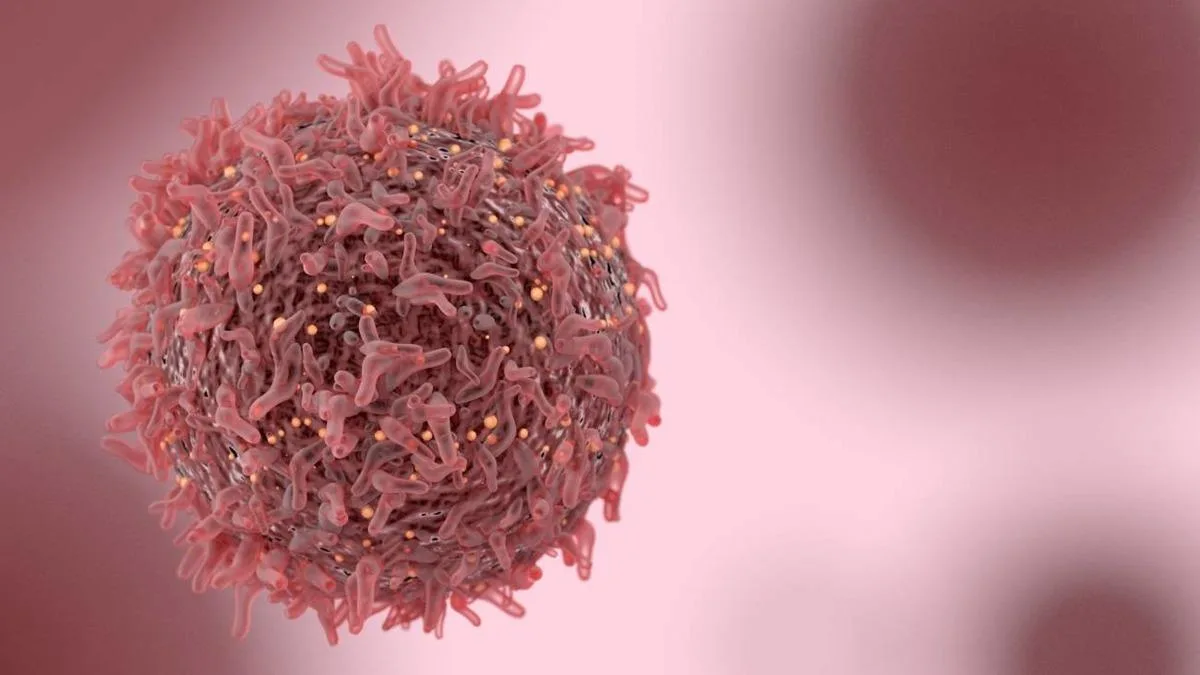

Cancer diagnoses in adults under 50 are climbing, and the usual suspects don't seem to be to blame. Known risk factors simply fail to account for the increase, leaving researchers with an uncomfortable gap in their understanding.
According to a study published in BMJ Oncology, incidence rates in the UK rose significantly between 2001 and 2019 in 16 of 22 cancer types studied in women, and in 11 of 21 types in men.
Risk factors are falling while cases rise

One of the study's most striking findings concerns healthy habits. Over the period examined, daily red meat consumption among men fell from 38 grams to 17 grams, and among women from 22 grams to 10 grams. Smoking and alcohol use showed a similar decline.
Yet the rise in certain cancers continued regardless. The picture suggests that the relationship between lifestyle and cancer is far more complicated than assumed.
Obesity matters, but it isn't the whole story

Of all the factors assessed in the study, only one showed a significant increase in prevalence: body mass index. That points to obesity as a possible contributor to the trend.
However, incidence also rose for cancers both linked to weight and not explained by that link. Obesity, in other words, is an important piece of the puzzle — but not the sole cause of the increase.
The rise isn't uniform across cancer types

The increase is not spread evenly across all cancers. In some types, the trajectory in young adults diverged from what was seen in older age groups.
This finding suggests that estimating cancer risk based on age alone may not be enough. Variables such as sex and cancer type need to be examined separately.
New research frontiers: the microbiome and childhood
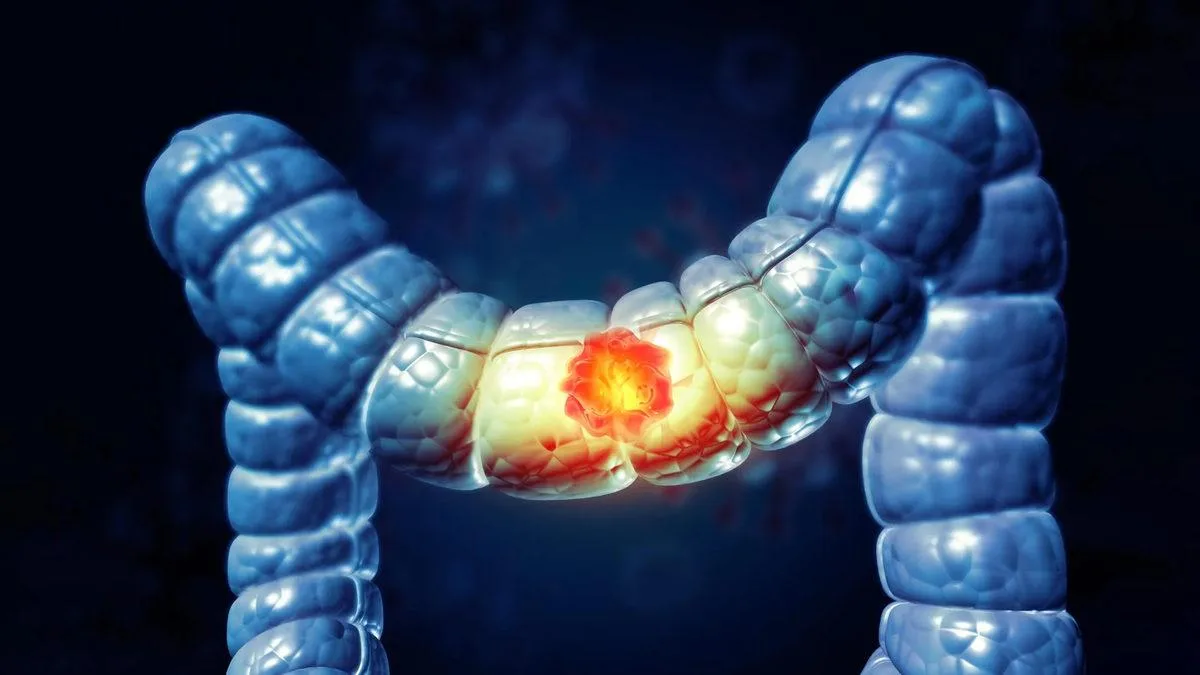
The gap left by known risk factors has pushed researchers toward new possibilities. The gut microbiome, environmental exposures and conditions experienced in childhood are among the areas being studied to understand why cancers appear at an early age.
Even so, none of these factors has yet been proven to be a primary driver of the increase. More research is needed to determine which factor is linked to which cancer type.


Comments (0)
No comments yet. Be the first!