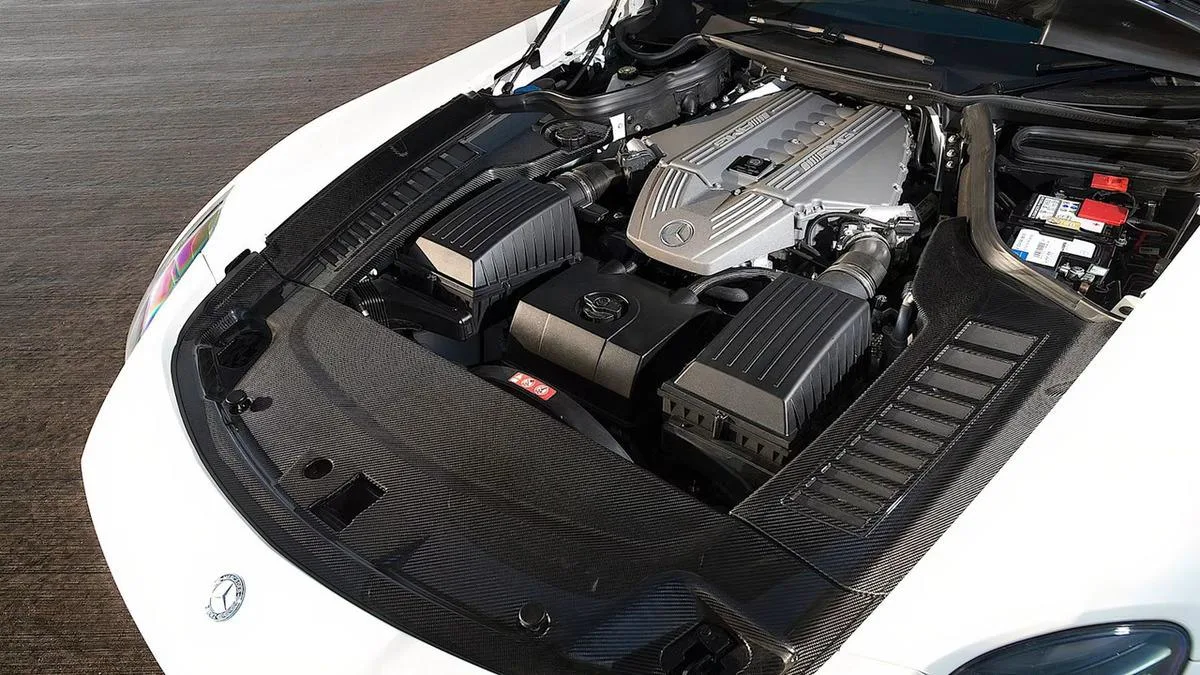

Most of auto industry picked 2030 or 2035 as full-electric deadline. Mercedes-Benz talks much longer timeline. CEO Ola Källenius spoke to press November 4 in Pune, India. Combustion engines will continue at least ten years, likely fifteen. Petrol and diesel models still on company production slate.
New V8 designed for Euro 7
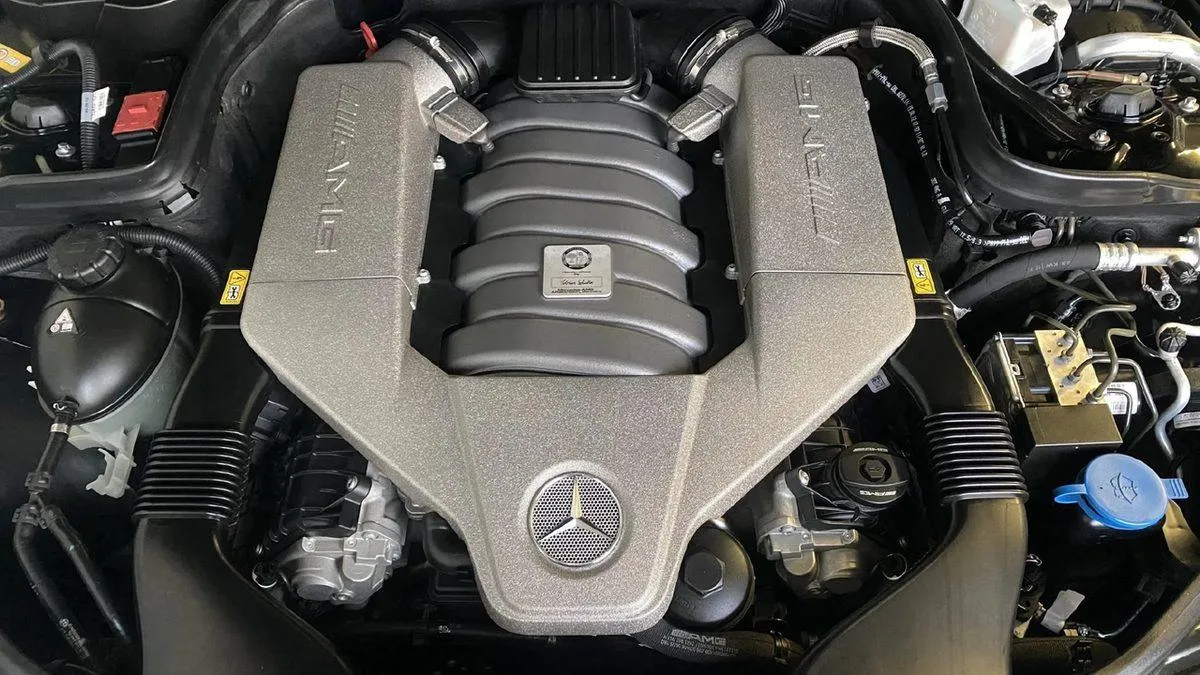
Step fits that approach: Mercedes first brand to adapt entire engine lineup to Euro 7 emission rules. Heart of work: completely new V8 engine. Building engine from scratch costs serious money; Källenius says logic behind spend clear. Electric car not yet sensible choice for every user, company wants to protect that group. Long-term support promised for combustion and hybrid products.
Diesel side similar picture. Drivers covering 60-70 thousand km per year plus light commercial vehicle owners in focus. Range limits and charging waits make electric switch hard for this group. Källenius stresses current diesel engines ready for future.
20 to 25 years for transition
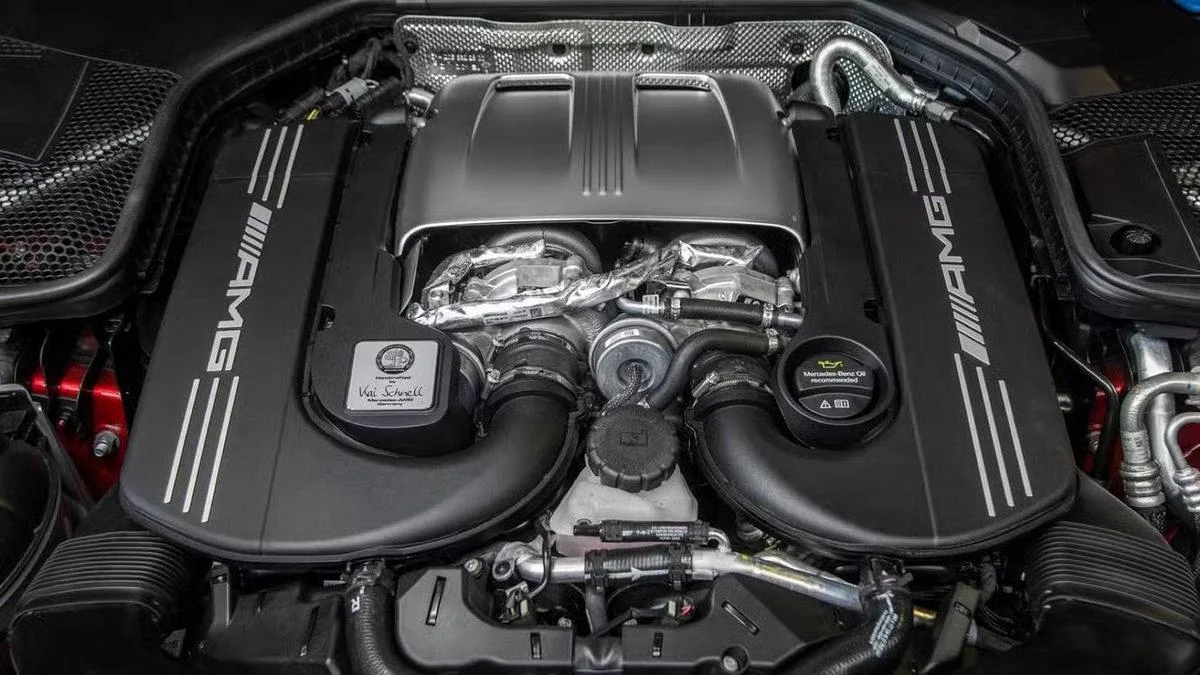
He rejects idea electrification ends in 2030 or 2035. Calls it 20 to 25 year industrial transformation. Executive uses analogy: companies cannot saw off leg they stand on and suddenly replace it. Mercedes aims to grow electric line in parallel while keeping current business alive.
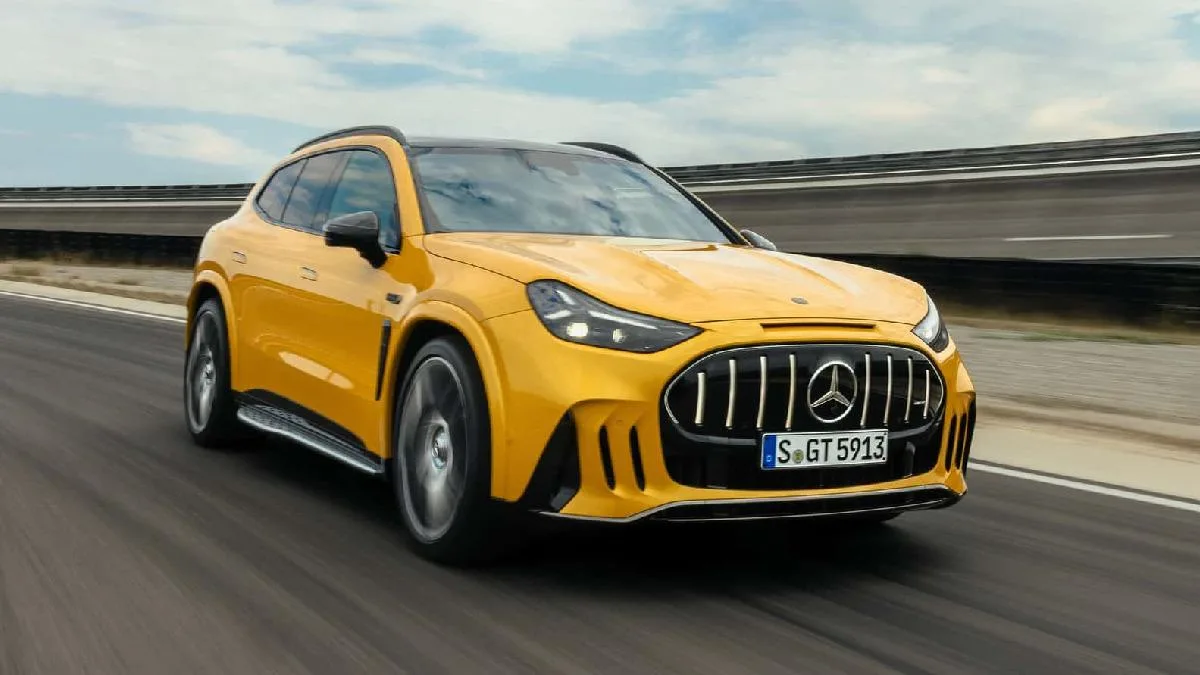
First wave of electric models missed sales expectations. Brand now front of second generation, electric GLC included. How these models shape new era will be decisive for company.
What petrol and diesel buyers hear?
Mercedes plans at least one electric option in every model before decade ends. But that does not end combustion support.
C-Class, GLC or Sprinter van users: spare parts, service network and engine development continue without interruption. Executive adds production will not stop as long as serious demand for advanced combustion engines persists.
Summary: strategy not mass retirement of petrol and diesel while electric numbers rise. Customer demand will largely decide which engines survive.
Comments (0)
No comments yet. Be the first!