

We've grown used to thinking of cars as machines that read the world through cameras and radar, but Sony has proposed taking that perception into an entirely different sense. The company has been granted a patent for a technology that recognizes the advertisements a vehicle encounters along the road and releases scents matching those ads into the cabin.
The application was published by the United States Patent and Trademark Office (USPTO) on November 5 and was spotted by Patentlyze. The document combines cameras, GPS-based positioning, advertising databases and scent dispensers, with the goal of translating ads delivered through image and sound into smell. A driver passing a billboard for a hamburger chain could, in theory, find the cabin filled with the aroma of freshly cooked meat.
The camera spots the ad, GPS confirms it
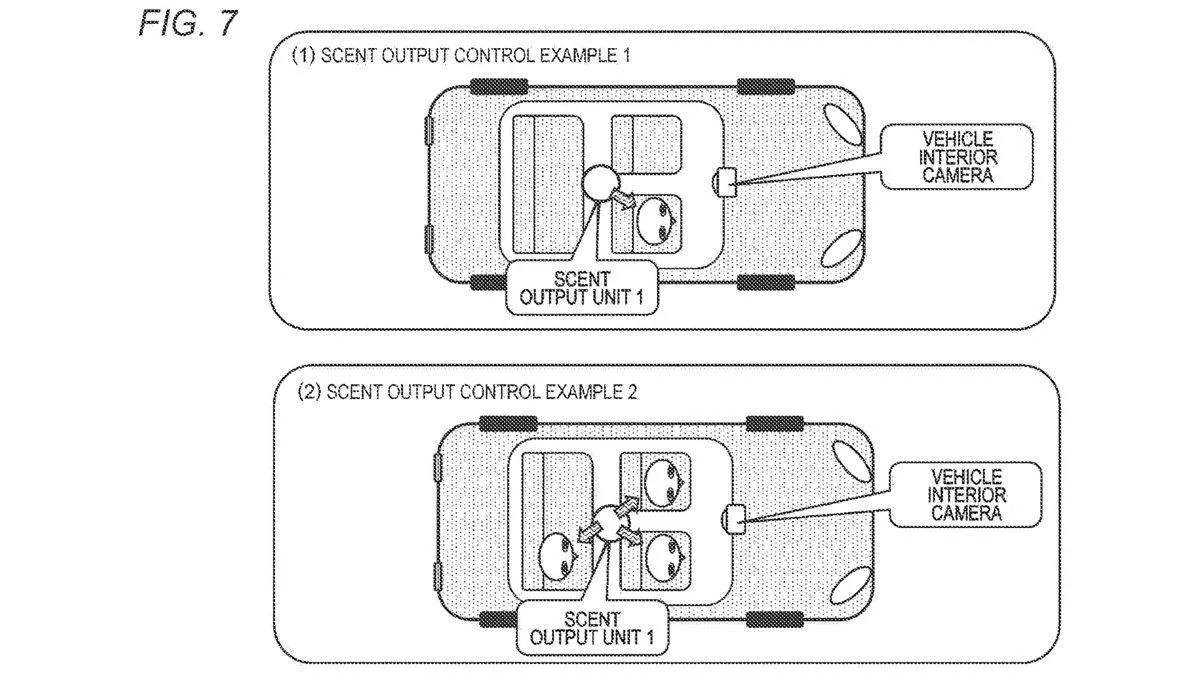
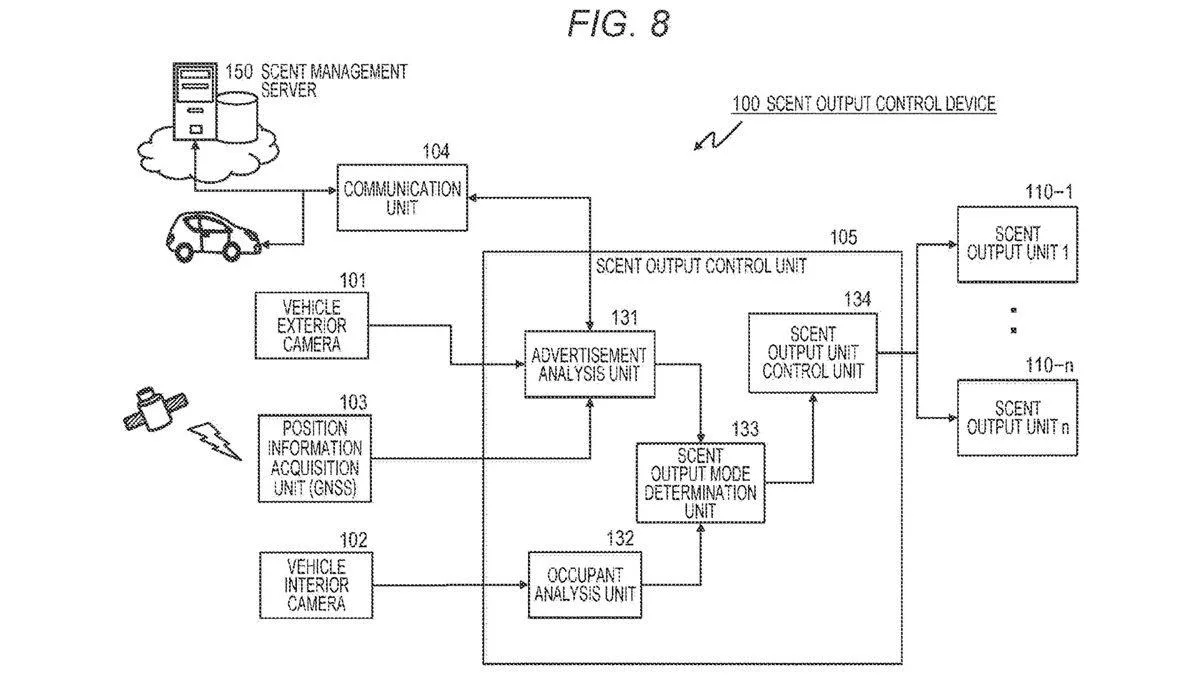
The concept relies on online data and physical components working together. A camera mounted outside the vehicle continuously scans billboards, signs and digital ads. When a campaign is detected, the system checks whether that ad is registered in an online scent management database. That database stores details such as the type of scent, its location, direction, validity period and when it should be released. GPS then comes into play to verify that the vehicle is actually passing in front of the registered billboard.
Sony's plan is far more refined than simply filling the cabin with a random aroma. A second camera inside the vehicle analyzes passengers' estimated age and gender to decide which seat the scent should be sent to. A registered ad could require that a scent be released for only 30 seconds to people matching certain demographic characteristics. The patent also envisions the scent intensifying as the vehicle approaches the billboard.
Not just billboards — broadcast ads can match too
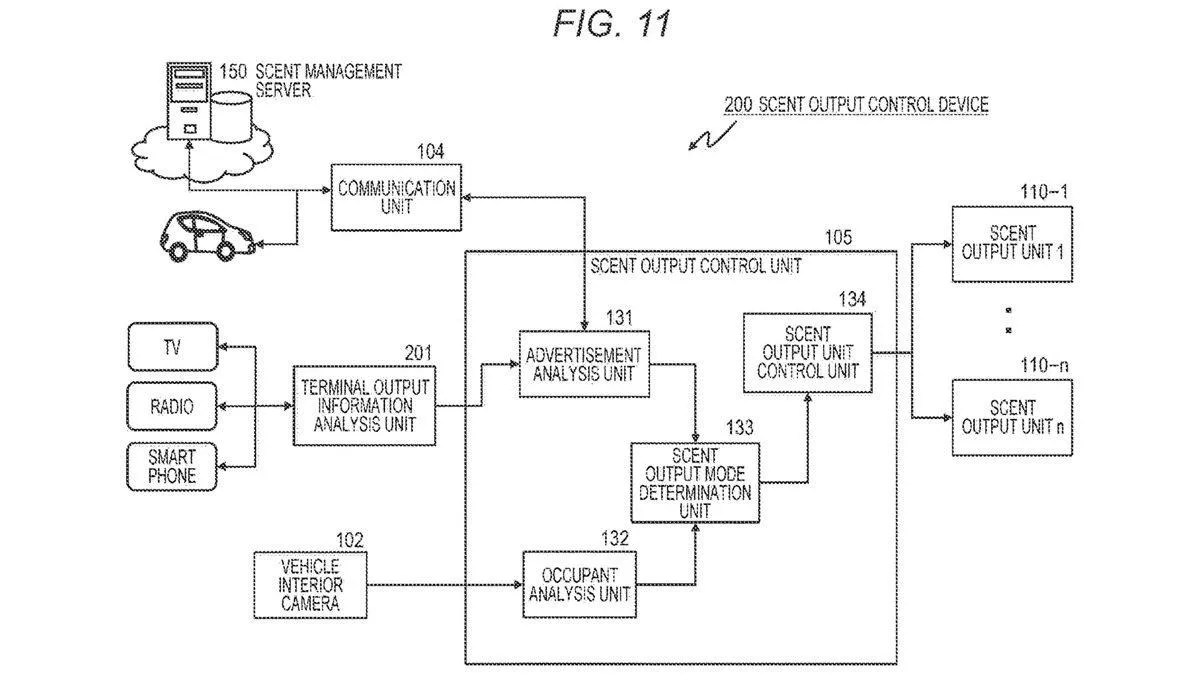
The concept isn't limited to roadside advertising. The patent describes a scenario that could also match with ads played on television and radio, as well as on connected devices such as smartphones. In that case, the vehicle would identify the ad from clues such as the broadcast channel, the website visited or the time slot, pull the correct scent from the database and release it into the cabin.
The hardware list highlights scent cartridges and fans; according to Sony, these dispensers can direct scents to individual seats and be installed at different points within the cabin. The filing also includes non-advertising use cases: releasing a signature scent when you start the car, or offering taxi passengers their preferred aroma.
A privacy debate seems inevitable
Impressive as the concept may be, it raises serious questions around privacy. Using interior cameras to examine passengers and estimate their age and gender could fuel concerns about how that data would be handled.
Add to that the fact that modern cars are already packed with screens. It's unclear whether users actually want their vehicles to become an advertising medium. Bringing scents into targeted advertising could be seen by many as a step well beyond acceptable limits.




Comments (0)
No comments yet. Be the first!