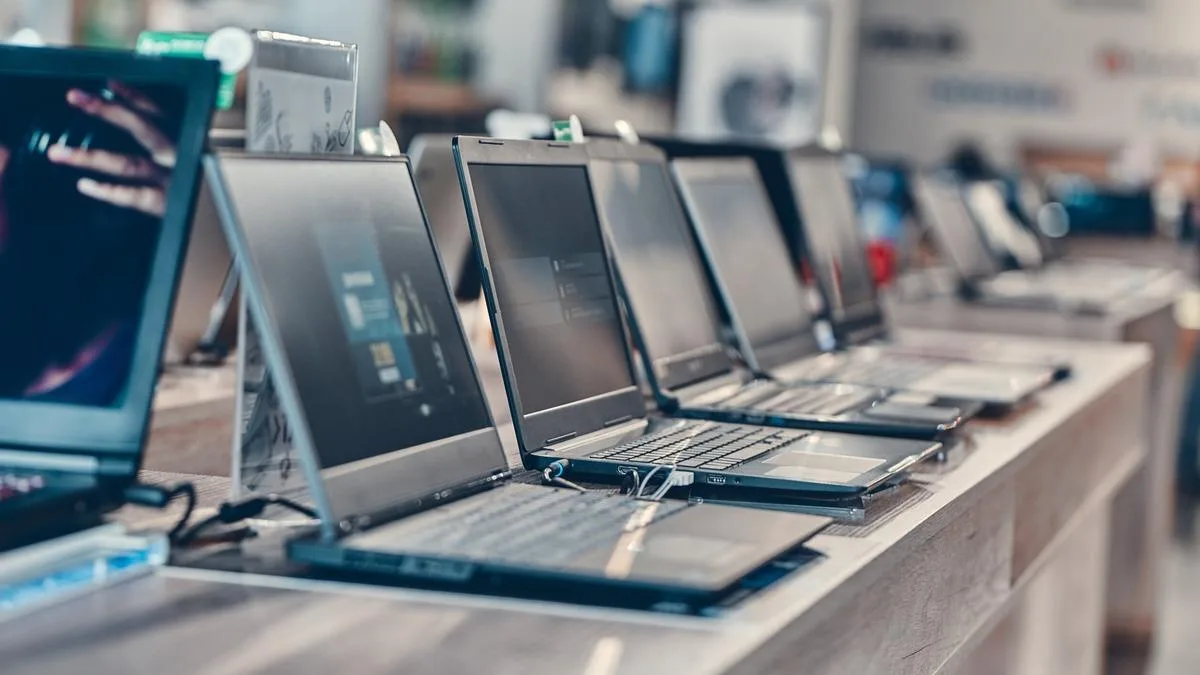

The growth of AI data centers has dealt an unexpected blow to the PC market. Surging memory demand has squeezed supply and driven up costs. The result: consumers are backing away from buying new computers.
IDC's latest figures lay out the severity of the situation. Global PC shipments in the third quarter of 2026 fell 20.1% year over year, dropping from 78.5 million to 62.7 million units. That's a loss of 15.8 million units in a single quarter.
The Big Three Slipped Too
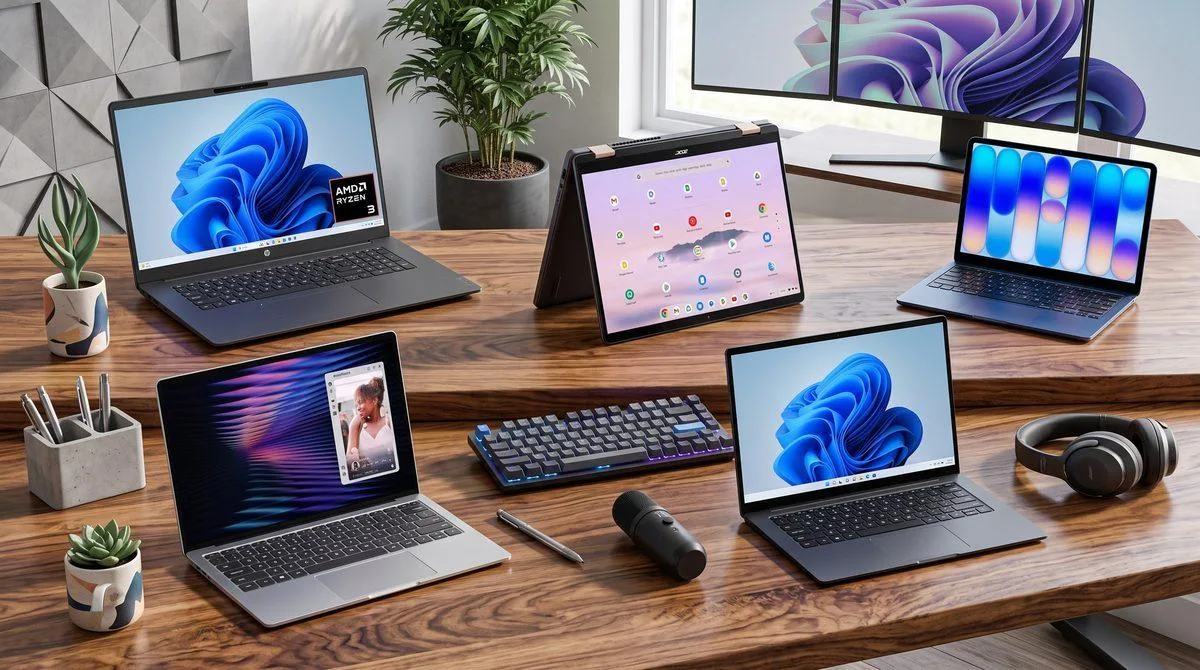
The decline hit market leaders hard. HP cut shipments by 30.9%, Dell by 25%, and Lenovo by 22.6%. Losses at Apple and Asus were more contained: 11.3% and 8.6% respectively.
The rankings didn't change. Lenovo held first place, HP second, Dell third. But the combined loss of the top three brands reached 11.6 million units.
Why Is Memory Scarce?
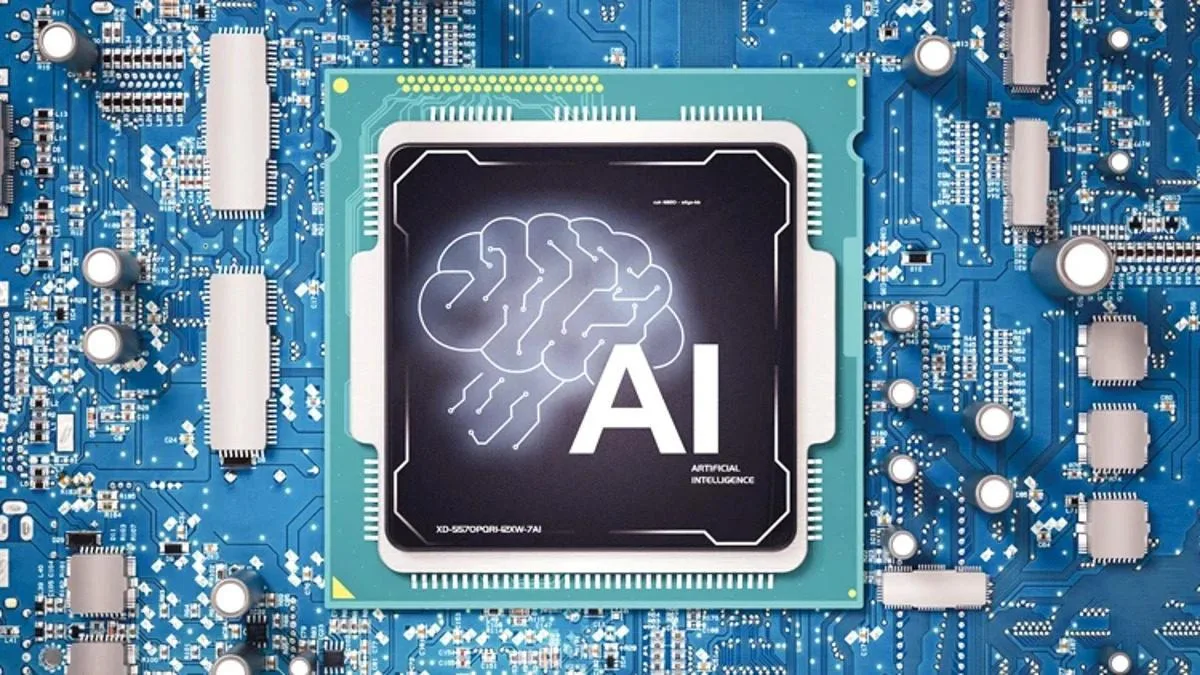
AI systems depend on high-bandwidth memory (HBM) to process massive data quickly. As demand grows, pressure mounts on memory manufacturers. Memory destined for PCs is losing out in that race: supply is tightening and prices are climbing.
Manufacturers stockpiled early in the first half of the year to shield themselves from further price hikes. But those pulled-forward purchases came at a cost: shipments came under pressure the following quarter. Facing pricier products, consumers hit the brakes.
When Will Prices Fall?
No relief is in sight in the near term. Acer CEO Jason Chen previously predicted prices could ease in the second half of 2027, thanks to new memory production capacity coming online in China. That's an expectation tied to capacity expansion, not a firm date.
The prevailing view in the industry is that the PC market's recovery could take until 2029. Until memory supply and prices return to normal, the market is expected to remain under pressure.



Comments (0)
No comments yet. Be the first!