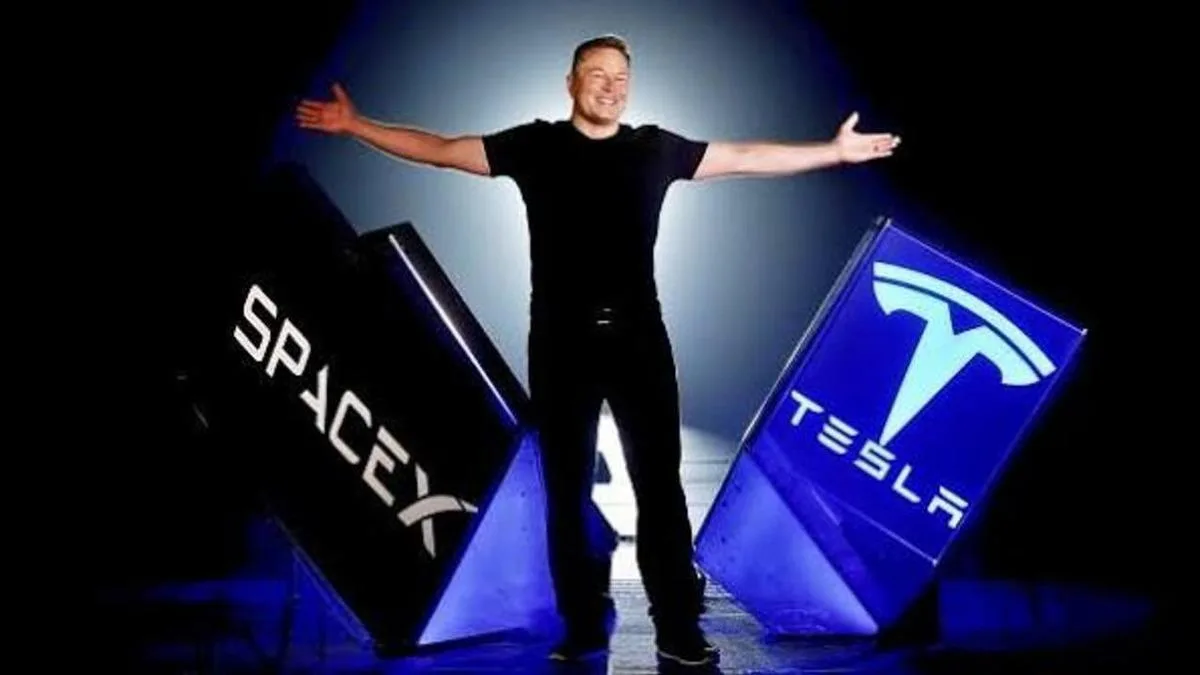

Elon Musk has set the tech world talking again, confirming that Tesla and SpaceX could one day be brought together under a single corporate roof. If the merger happens, it would create a technology holding company with a combined market value of roughly $3.5 trillion.
The significance goes beyond the numbers. Combining Tesla's work in artificial intelligence, robotics and chip manufacturing with SpaceX's space technologies could reshape investment dynamics across the entire tech sector. Still, serious legal and governance hurdles stand in the way. For now, what's being discussed is not a signed deal but a possibility that, if realized, would affect the whole industry.
Independent committees are running the talks
What makes the process so delicate is that Musk is one of the largest shareholders in both companies. Because of the potential for a conflict of interest, Musk is barred from taking part in the merger negotiations. Instead, the process is being handled by independent executive committees set up within Tesla and SpaceX.
Musk, for his part, views being sidelined with a dose of irony. Referencing Japanese theater, he has called the whole process "a strange kabuki dance," implying that it looks to him like an odd stage play.
The real goal: preparing for the age of superintelligence
According to Musk, the purpose of the merger is not simply to combine two companies, but to prepare for the age of superintelligence. Bringing together Tesla's AI and robotics work with SpaceX's space technologies could offer a major advantage on that path.
Among the highlights of the potential collaboration are autonomous software, SpaceX's orbital data center Starmind, and Terafab, a joint chip manufacturing project between the two companies. If the merger goes through, how these projects will proceed remains an open question.
The shareholder threshold is the biggest obstacle
A merger of this scale requires shareholder approval. On the Tesla side in particular, at least 50 percent of shareholders would need to back the deal — a critical threshold that could decide the fate of the process.
Moreover, the special committees have not yet reached a definitive agreement. In other words, the $3.5 trillion merger remains, for now, a scenario under discussion rather than a done deal.

Comments (0)
No comments yet. Be the first!