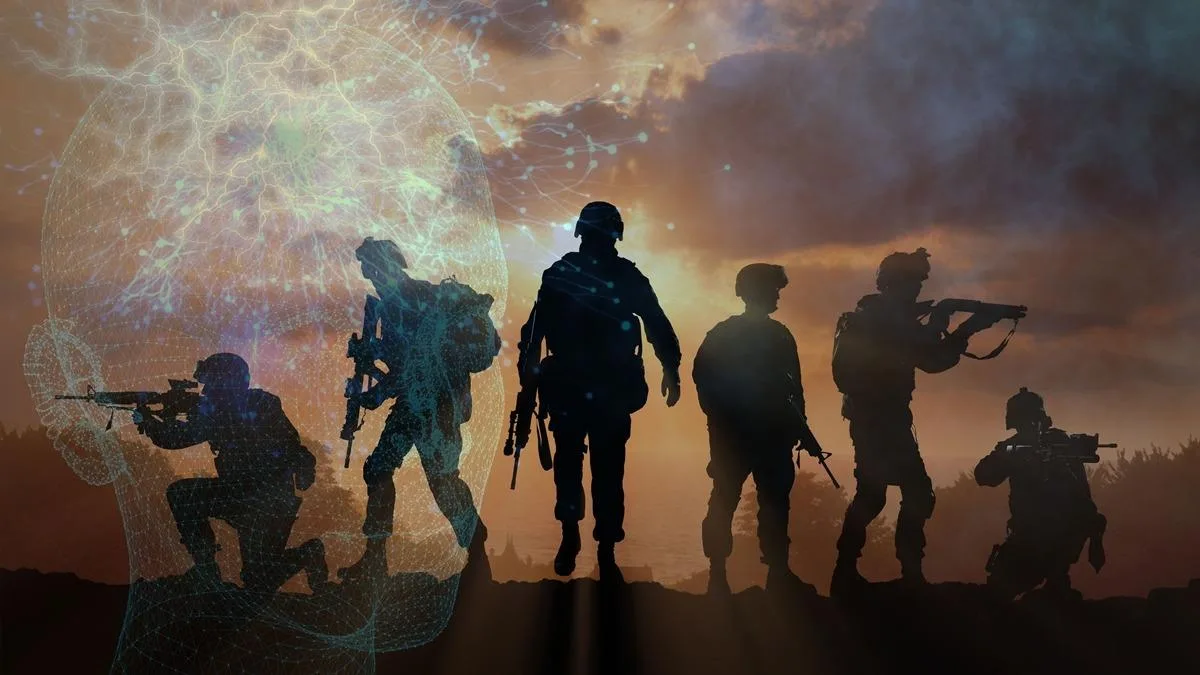

The role of artificial intelligence on the battlefield is shifting fast. What was once a background data processor is moving to the center of decision-making. Retired US Army general and former CIA director David Petraeus predicts that by 2030, AI networks will directly control battlefield sensors and weapon systems.
His vision goes well beyond a future of individual drones: he anticipates autonomous command layers in which machines coordinate with one another, and armies whose staff includes "AI staff officers."
Officers who never sleep
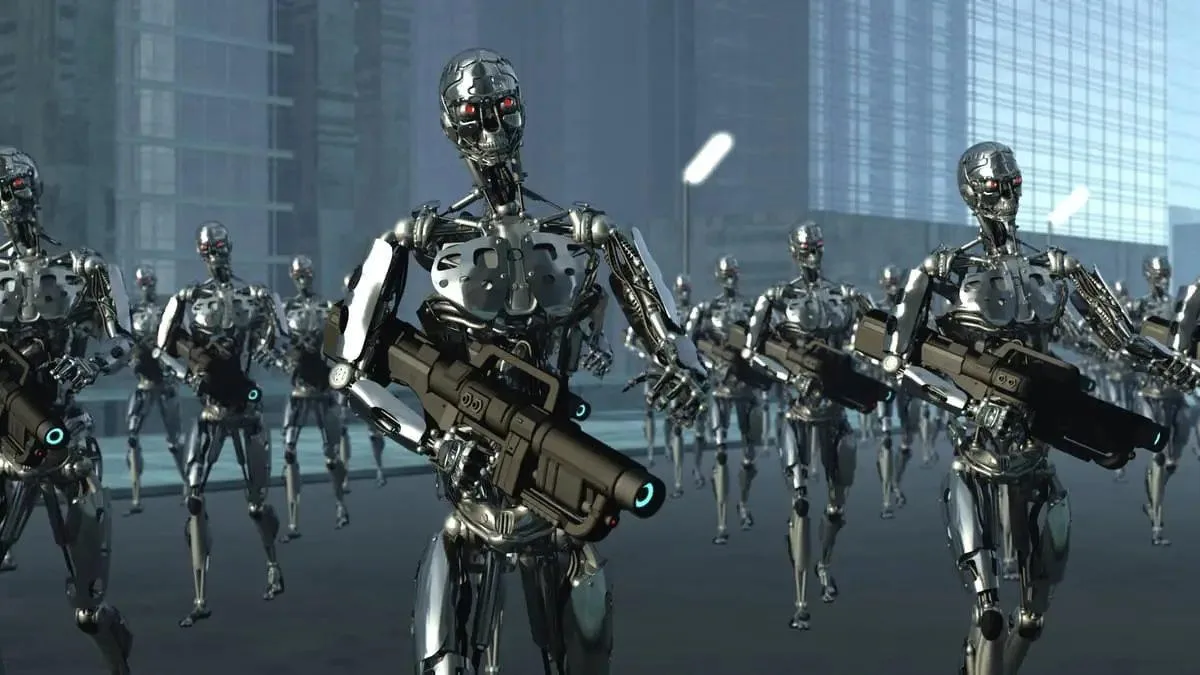
Speaking on the Forecast2050 podcast, Petraeus said that within just a few years, high-level autonomous structures will manage multiple systems from a single point. His choice of words for the software was striking: the systems producing tactical decisions will be "AI officers that never sleep, never eat and never take a break."
The architecture he describes would work like this: autonomous sensors collect real-time data from the field, feed it into a central command network, and that network directs weapons toward targets with minimal human approval — or entirely autonomously. In other words, rather than commanding a single drone, the software would coordinate machine fleets at the team or battalion level. Petraeus added that recursive learning — systems improving themselves with the data they generate — will accelerate this process.
What changes at the front line?
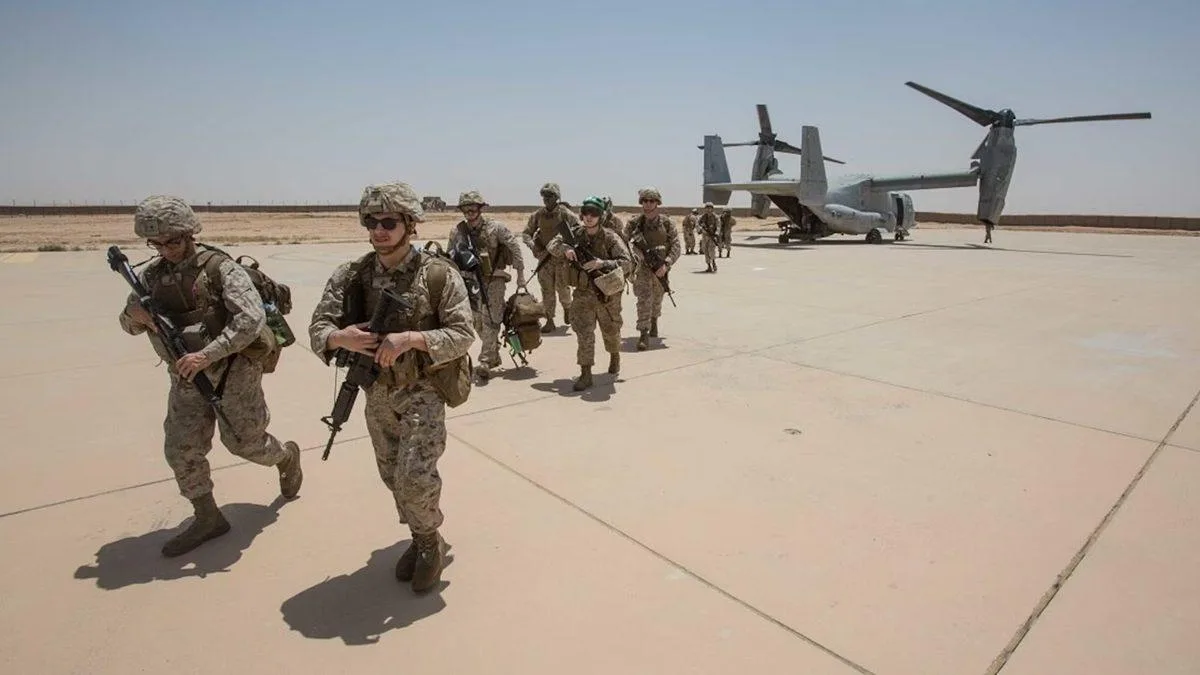
Petraeus believes the density of autonomous unmanned systems in the field will rise sharply by the end of 2026, particularly in Ukraine. The spread of unmanned vehicles means armies can put far more aircraft into operations without expanding their personnel.
The US military's line, however, remains unchanged: a human pulls the trigger. Admiral Brad Cooper, commander of US Central Command, says that while AI is already used today to scan and analyze vast volumes of data, the decision over whether a target is struck and whether fire is opened will always rest with humans.
According to Petraeus, adopting an autonomous warfare doctrine demands deep institutional restructuring within armies. He argues that with a more centralized defense architecture and a budget approach weighted toward unmanned systems, the UK could open the way — while the US still lags in institutional transformation. In the end, the world's militaries are grappling both with the race to develop these technologies and with the question of how much decision-making authority should be handed to machines.






Comments (0)
No comments yet. Be the first!