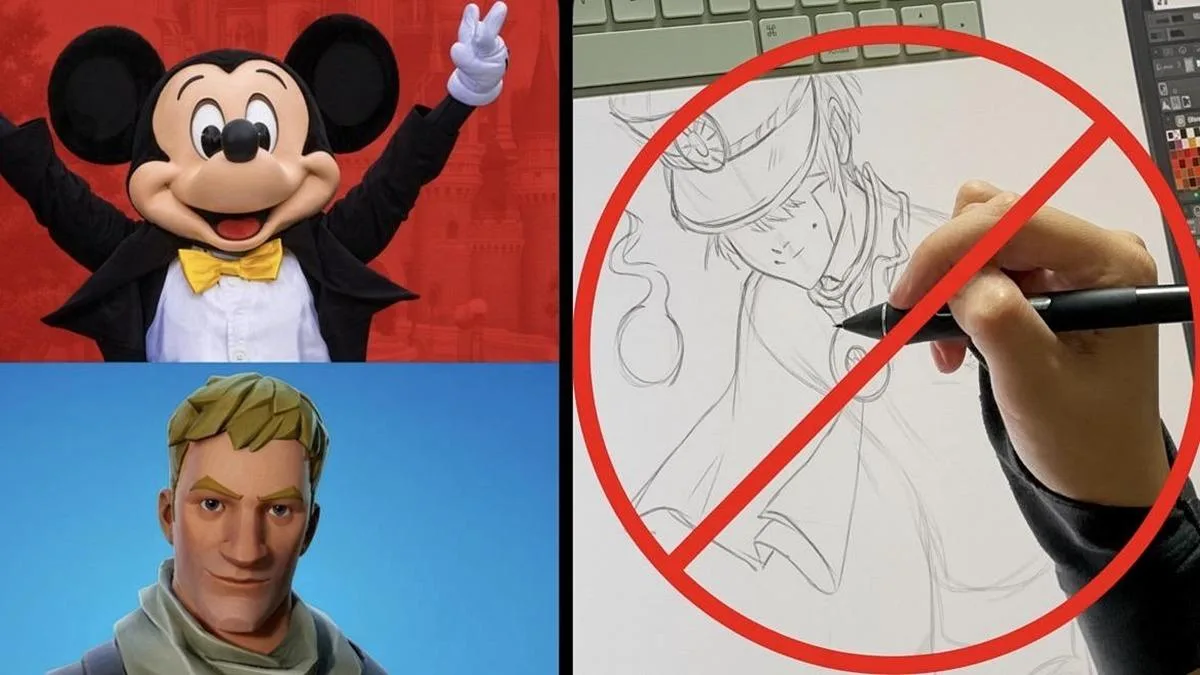

Fans of the project that promises to bring Marvel and Star Wars characters together in a single game didn't get the news they were hoping for. Epic Games has confirmed that the launch of the shooter, born from a handshake with Walt Disney, has been pushed to a later date. The March target is off the table, and no new date has been set.
So why has development slowed? Information surfacing from company sources paints an unusual picture: Epic has reportedly issued direct instructions to its software and design teams to move to a working model centered on AI tools.
Humans will direct, AI will produce

Under the new arrangement, teams are expected to adopt an "AI-first" approach built around tools such as Anthropic's Claude. The role of the human workforce is no longer production itself, but steering the AI and reviewing its output.
One of the game's directors made a bold statement in an internal message to staff: "no more hand-written code." The same message stressed that all visual content on the project would be created from start to finish through AI workflows.
Epic Games communications director Jake Jones confirmed the pivot: "Guided by our Epic developers, who are our visionary and creative force, we are embracing AI-accelerated development processes." Still, industry observers are underlining the significance: a major studio attempting to build a mainstream title almost entirely with AI has never been tried at this scale before.
Unrest is growing inside

The decision was announced to employees during a video conference last week. The reaction was swift. Some developers responded ironically, joking about whether the errors created by AI could be fixed by AI itself, while a group of staff voiced the view that the project could fail, saying they hoped management would reverse the decision.
There is also a serious financial calculation in the background. In 2024, Disney paid $1.5 billion to buy a stake in Epic Games and announced a broad, multi-game collaboration beginning with this shooter. However, Epic appears to have misjudged the team size and timeline needed for the project, causing development to progress far more slowly than expected.
The debate over generative AI in the industry is already heated. While criticism continues from quarters concerned about quality and job losses, new research offers a striking figure: more than half of developers believe the technology is harming the games industry.


Comments (0)
No comments yet. Be the first!