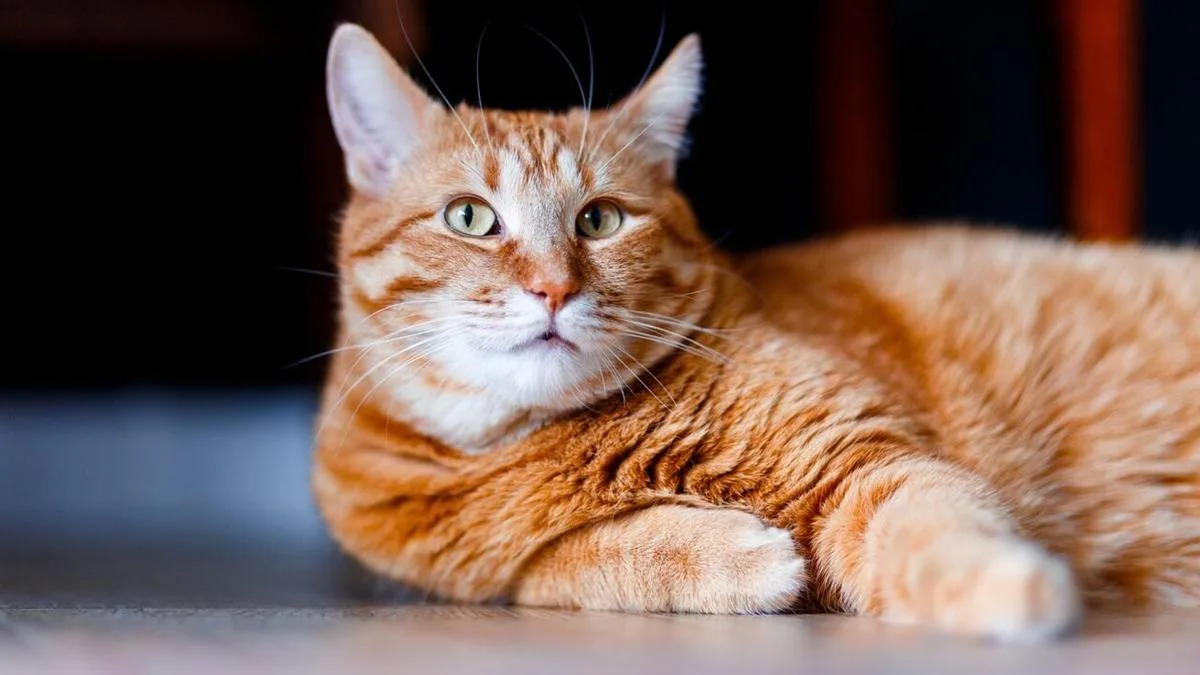

The orange coat color of tabby cats has puzzled geneticists for more than 60 years. This pattern, which defies known rules of inheritance in mammals, has finally been explained by two independent studies.
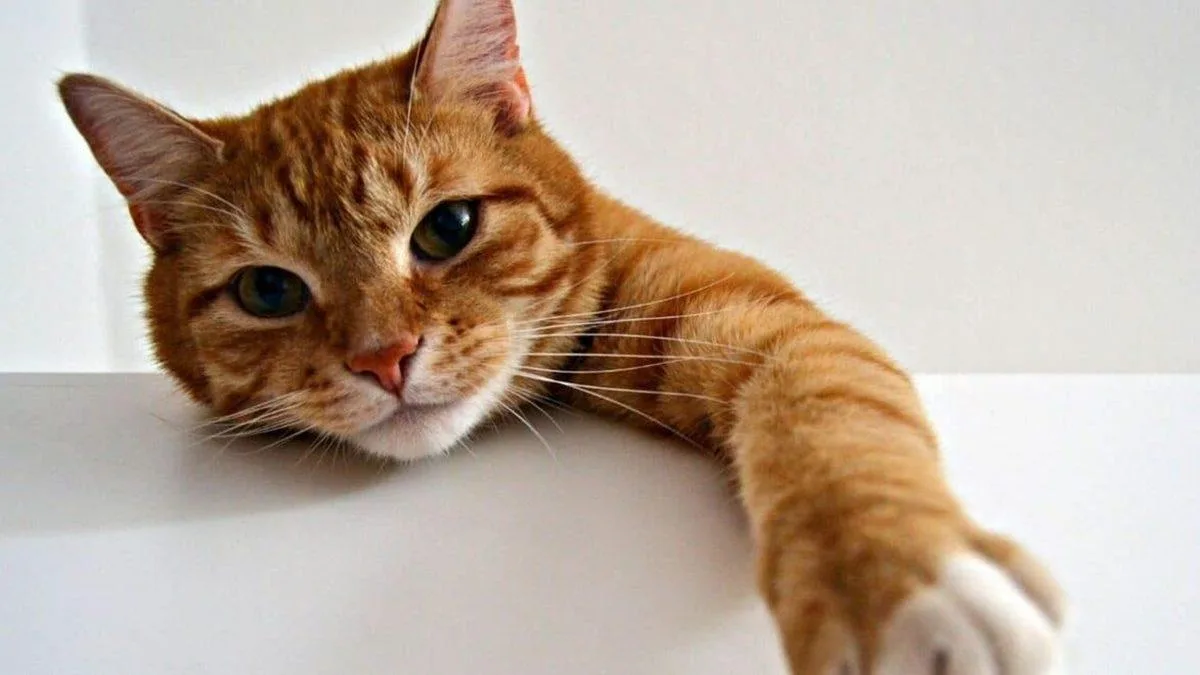
A missing piece of DNA explains everything
A team led by Greg Barsh of Stanford University found that skin cells containing orange fur produce 13 times more RNA from the Arhgap36 gene than in other cats. Intriguingly, the mutation lies not in the gene itself, but in the loss of roughly 5 kilobases of DNA in the sequence just before it.
In a study covering 188 cats, the deletion was confirmed in every orange tabby examined. An independent team led by Hidehiro Toh of Kyushu University showed that this overactive gene suppresses dark eumelanin pigment, bringing forward pheomelanin's yellow and red tones to create the orange color.
Why are most orange cats male?
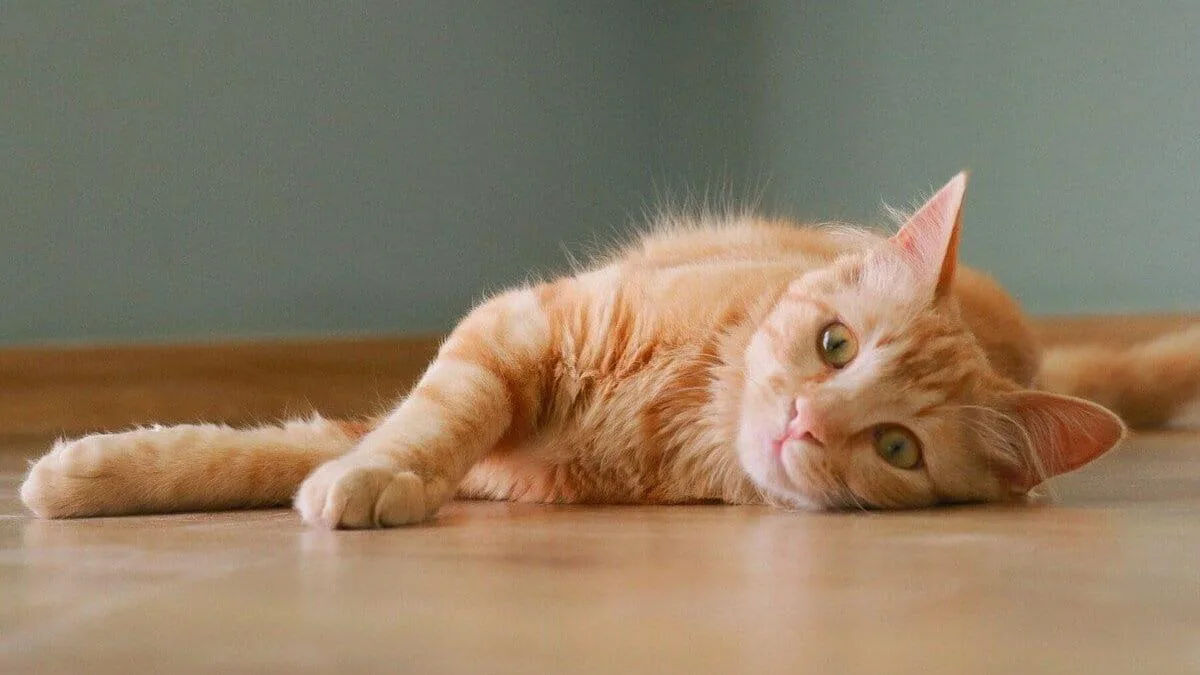
Because the mutation sits on the X chromosome, the sex distribution is markedly skewed. Males carry a single X, so when they inherit the mutation from their mother, they are orange from head to tail.
Female cats have two X chromosomes. Cells randomly switch off one X to prevent gene overproduction, so if the mutation is on only one chromosome, the result is calico or tortoiseshell patterns patched with black, white and orange. A fully orange female needs a mutated X from both parents.
There is no scientific basis for the internet belief that orange cats are more goofy or clumsy; the research shows the mutation has no negative effect on cats' mental capacity or health.

Comments (0)
No comments yet. Be the first!