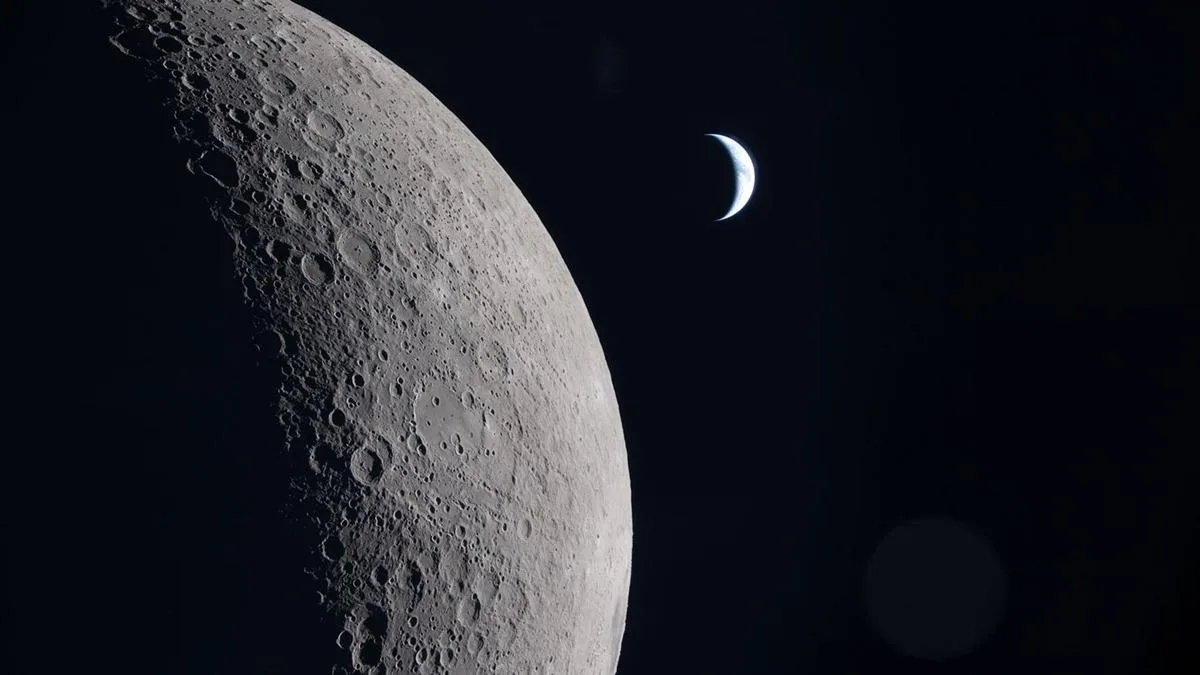

When Artemis II carried four astronauts farther from Earth than any human had traveled in more than half a century last April, few expected its biggest scientific payoff to come from pencils and eyeballs rather than cameras. Six months after the mission, NASA opened the first scientific data package to researchers and the public on October 7. The archive goes well beyond photographs, covering the Moon's true colors, the mini-meteoroids striking its surface, and hard-won experience that will shape the planning of future missions.
Pen and eye beat the cameras
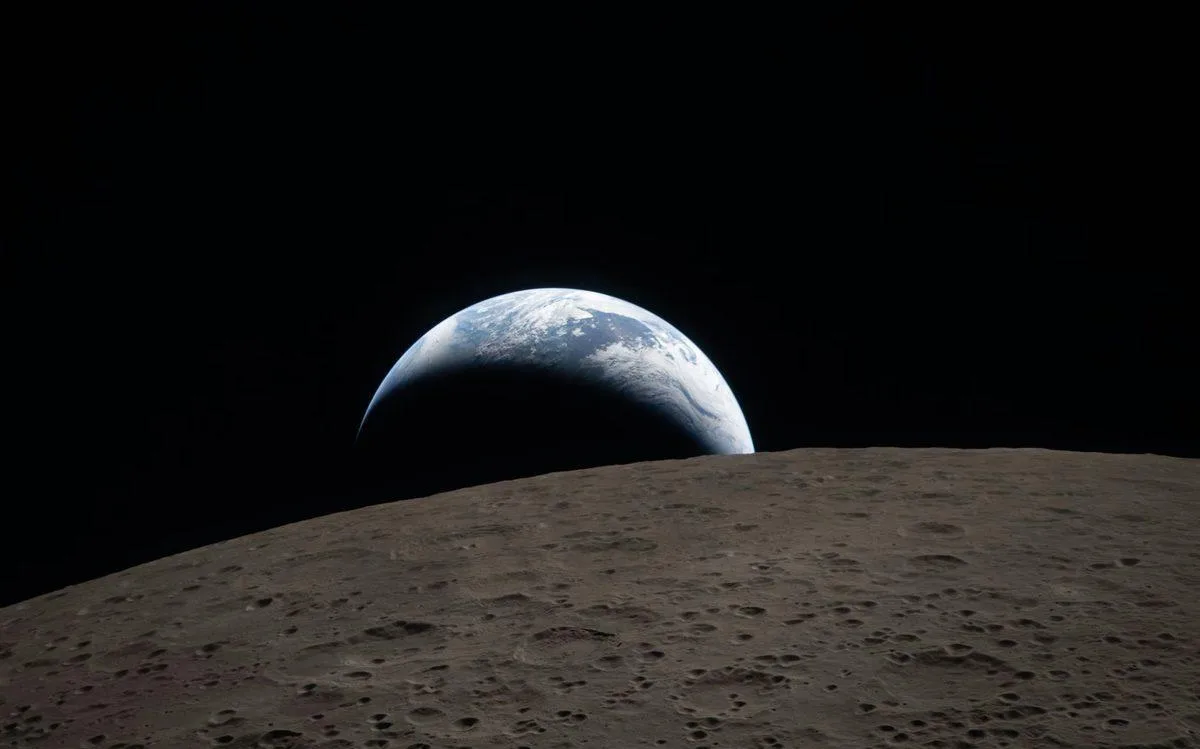
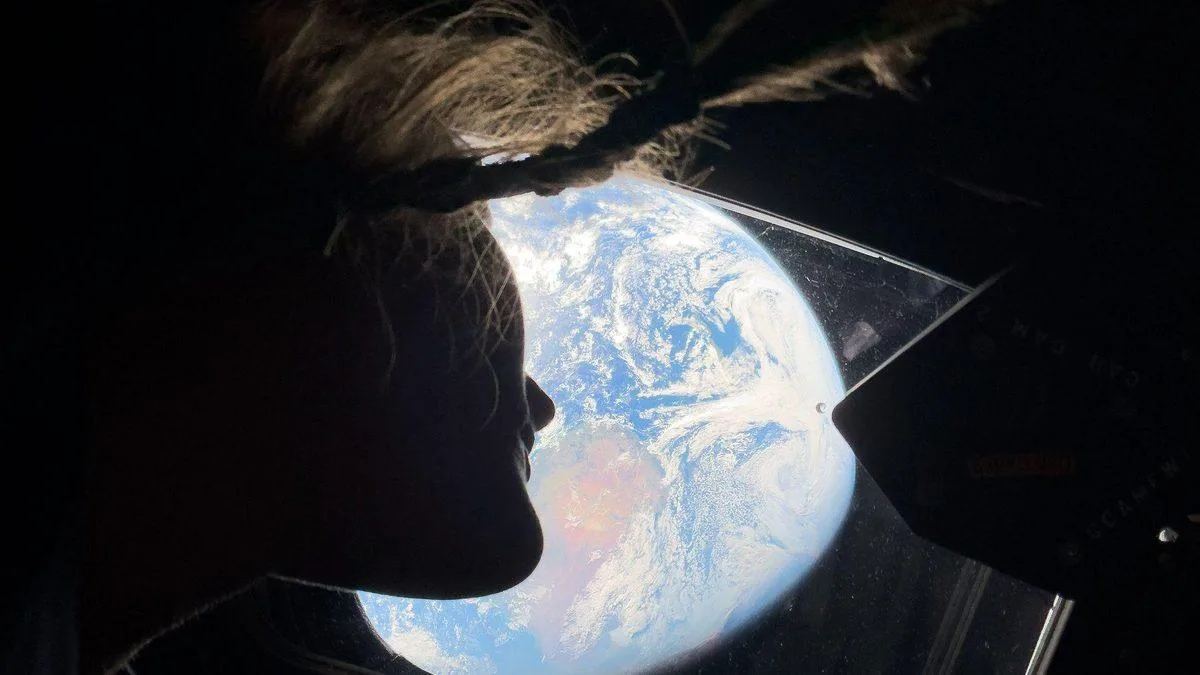
The report's most striking point is this: despite the spacecraft's advanced cameras, the mission's most scientifically valuable contribution came from the astronauts' own observations. The crew received extensive lunar geology training before launch and served as the science team's eyes and hands throughout the journey.
During the flight, the crew worked in pairs: while one pair relayed information to mission control over two communication channels, the other recorded notes in electronic field logs, made sketches and annotated maps. In this way, the layers and textures of major impact structures such as the Orientale basin were documented in real time, preserving subtle details of human perception for science.
Five flashes during the eclipse
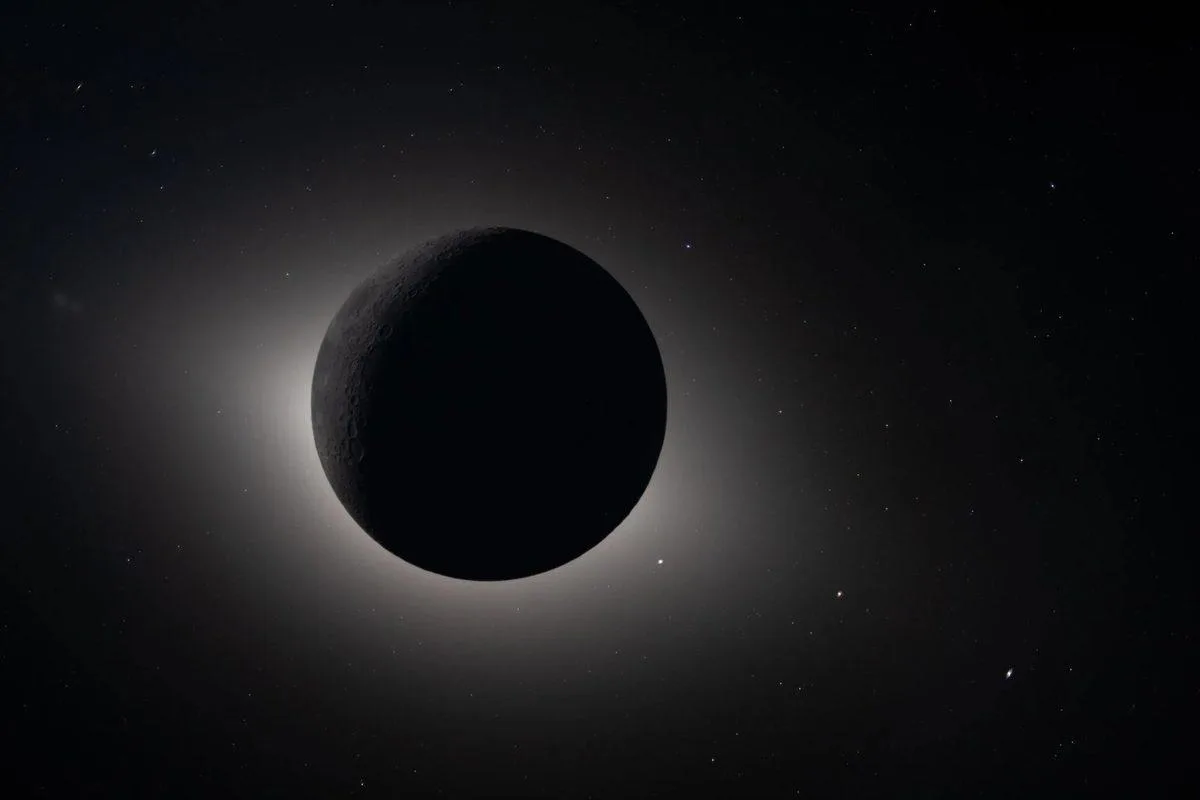
The mission's most eye-catching finding came during the 54-minute eclipse phase, when the Moon completely blocked the Sun. While the corona, interplanetary dust and distant stars were being observed, the astronauts also managed to record small objects striking the surface.
Five flashes, each lasting less than a second, were detected. According to the researchers' calculations, the objects averaged 8.5 grams in weight and 4.5 centimeters in size — roughly the dimensions of a golf ball. The craters they left were too small to be picked up even by the sensors of spacecraft in orbit. The data showed that the odds of a dangerous impact during surface operations at a permanent lunar base are less than 1 in 10 million — a reassuring safety picture for the missions ahead.
The Moon's hidden palette
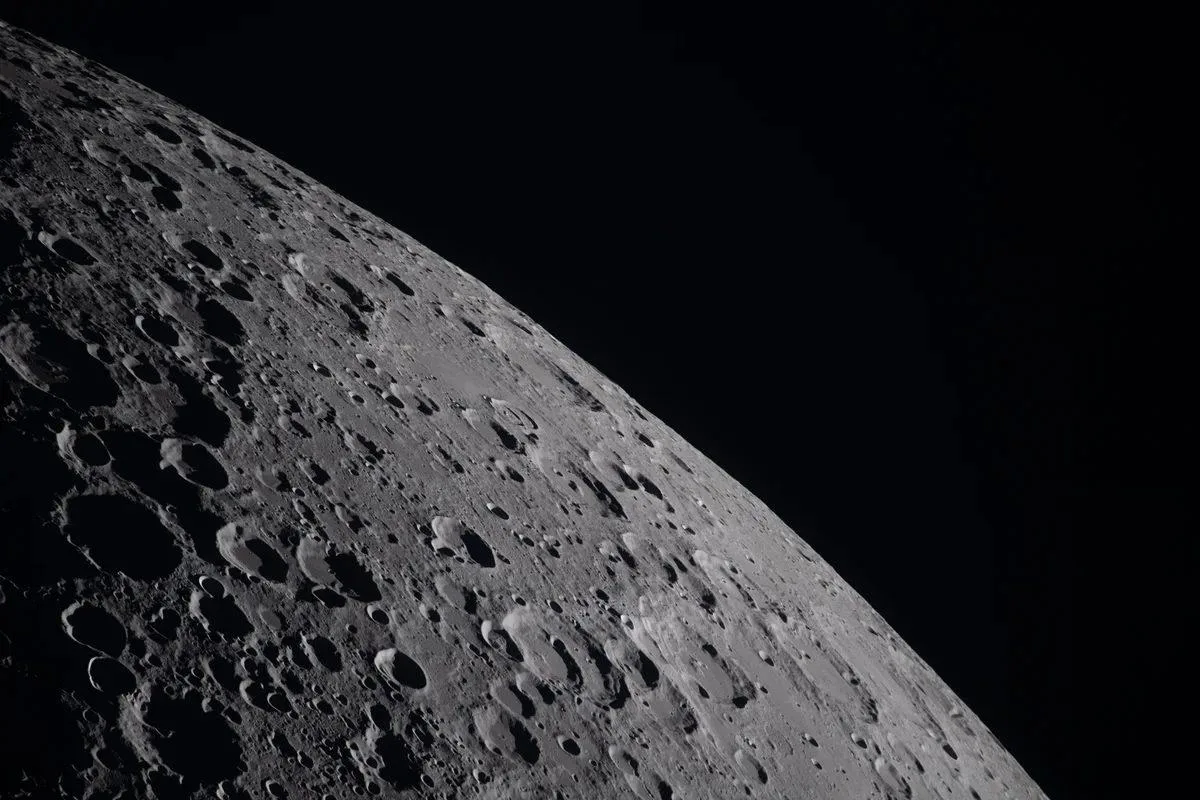
Another significant advance was the color analysis of the lunar surface. The Moon is far paler than it is often portrayed, and its subtle tonal shifts vary with the ground's roughness, temperature and mineral content — nuances the human eye distinguishes far better than a camera.
By combining the new observations with archival data, the team established a clear mapping between color and composition:
- Blue appearance: indicates volcanic rocks rich in titanium,
- Brown appearance: reflects varying iron content,
- Green appearance: points to glass layers formed by eruptions or impacts.
In addition, the deep shadows stretching along the "terminator line" between light and dark laid bare the Moon's rugged terrain. Observers noted that these lighting conditions closely resemble the environment in the lunar south polar region, a leading candidate for future landing sites.
Lessons that chart the path to Artemis IV
The mission also shaped preparations for subsequent flights, including Artemis IV, which aims to put humans on the surface. Because spacesuits do not allow a suited astronaut to write in the field, researchers recommended strengthening voice-based recording training, and suggested that the effect of spacecraft windows on photo quality be factored in at the design stage.
The astronauts' habit of discussing and interpreting their observations together paid off twice over: the quality of the scientific data improved, and crew cohesion grew noticeably stronger.





Comments (0)
No comments yet. Be the first!