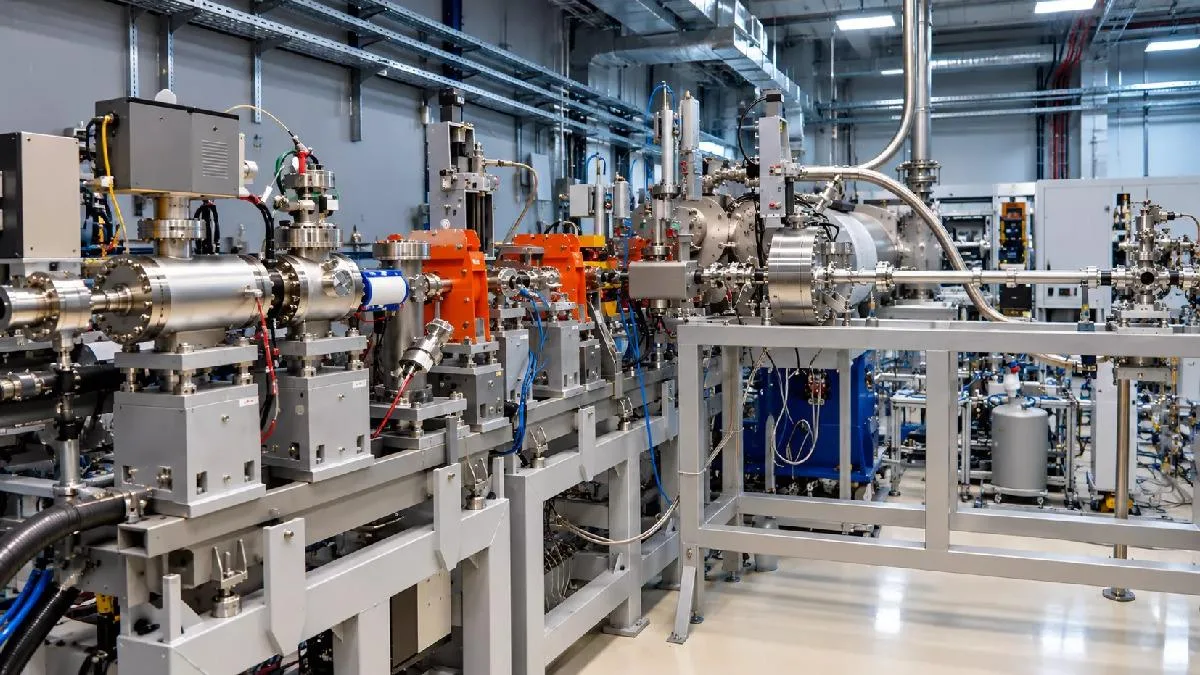

Turkey has reached another milestone in its push to build high-tech research infrastructure. TARLA (Turkish Accelerator and Radiation Laboratory), which operates under Ankara University, has successfully carried out its first material irradiation experiment, using gamma rays generated from electrons accelerated to high energies.
The technique opens a new door for domestic testing and research across a wide range of fields, from satellites and mobile phones to defense and healthcare.
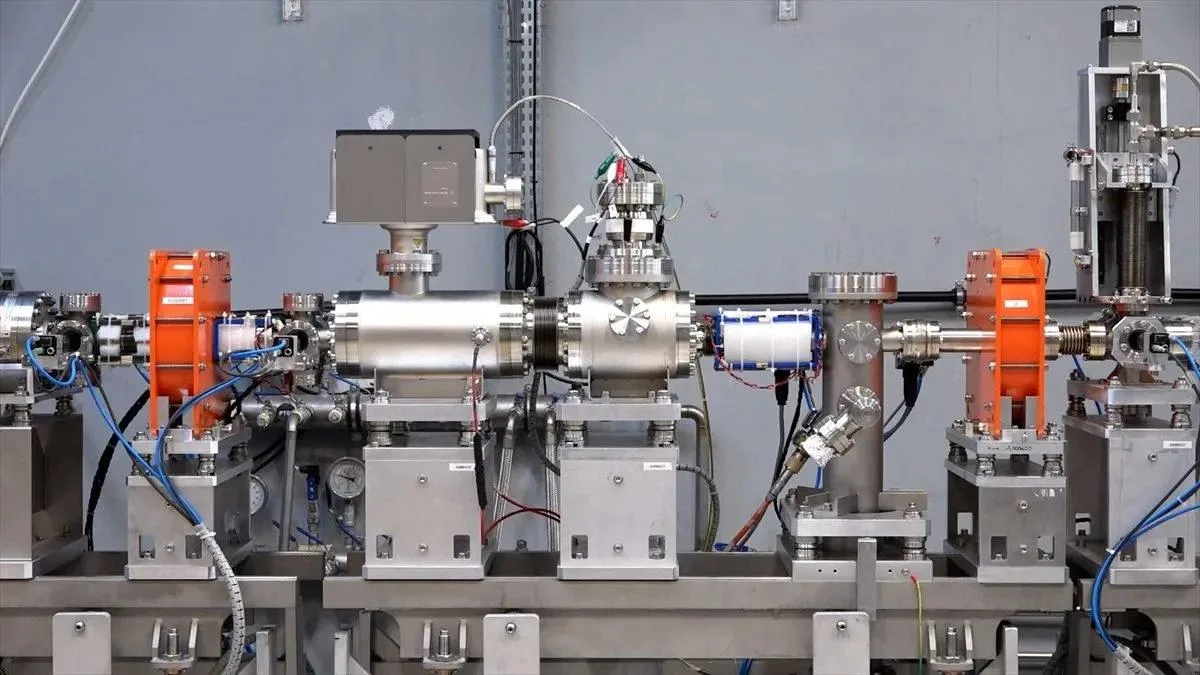
Glass and plexiglass exposed to gamma rays
In the landmark first experiment, glass and plexiglass samples were subjected to gamma rays produced by the accelerated electrons. Subsequent examinations revealed a noticeable change in the color of the irradiated glass, while the plexiglass showed internal structural degradation and physical fractures.
The results demonstrate that Turkey can now study the destructive or transformative effects of radiation on materials under controlled conditions using accelerator infrastructure it developed itself.
Particle accelerators are complex systems that push subatomic particles such as electrons to extremely high speeds and energy levels, producing high-quality radiation for research. With TARLA's infrastructure, researchers will be able to measure how well products and components withstand harsh radiation environments, paving the way for longer-lasting materials.
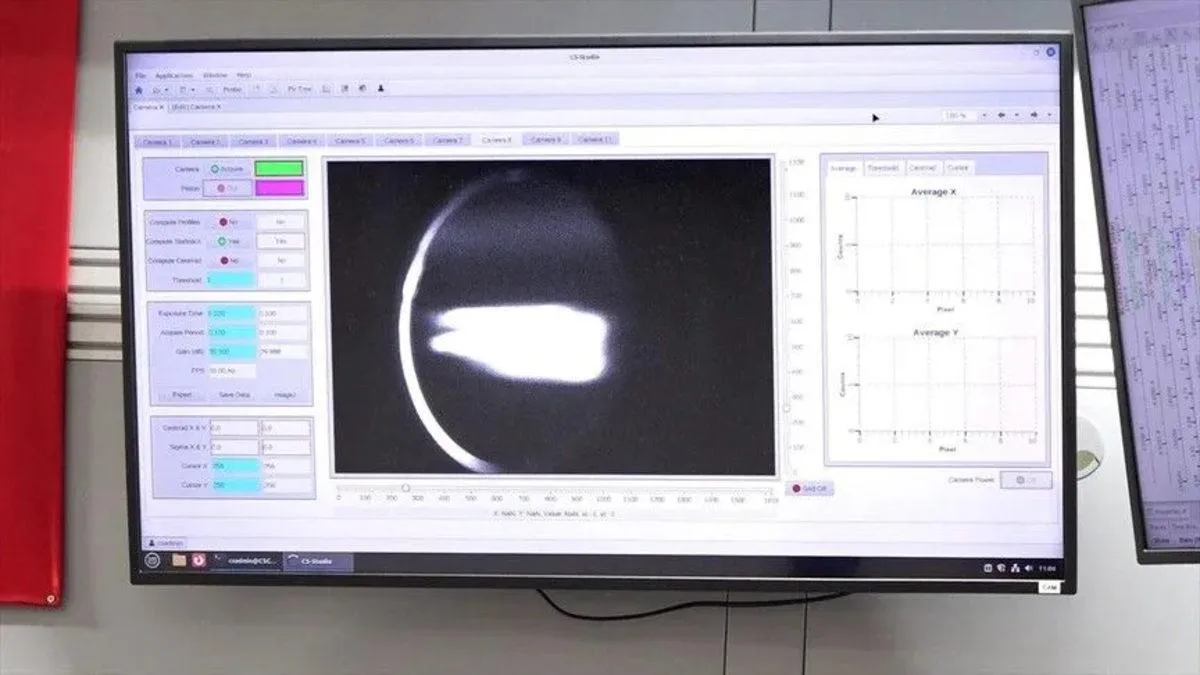
Concrete contributions expected for space technologies
One of the fields where this capability will matter most is space technology. Satellites operating in orbit or in deep space are continuously exposed to intense radiation from the Sun and other sources throughout their missions. Cosmic radiation can gradually degrade camera lenses, optical systems and electronic sensors, reduce image quality, or even render critical components completely inoperable.
Optical and glass experiments at TARLA are expected to contribute directly to the design of more resilient parts for space missions. The work will also lay the groundwork for research into repairing and reusing radiation-damaged satellite lenses and glass materials.
A key role in medical physics and medicine
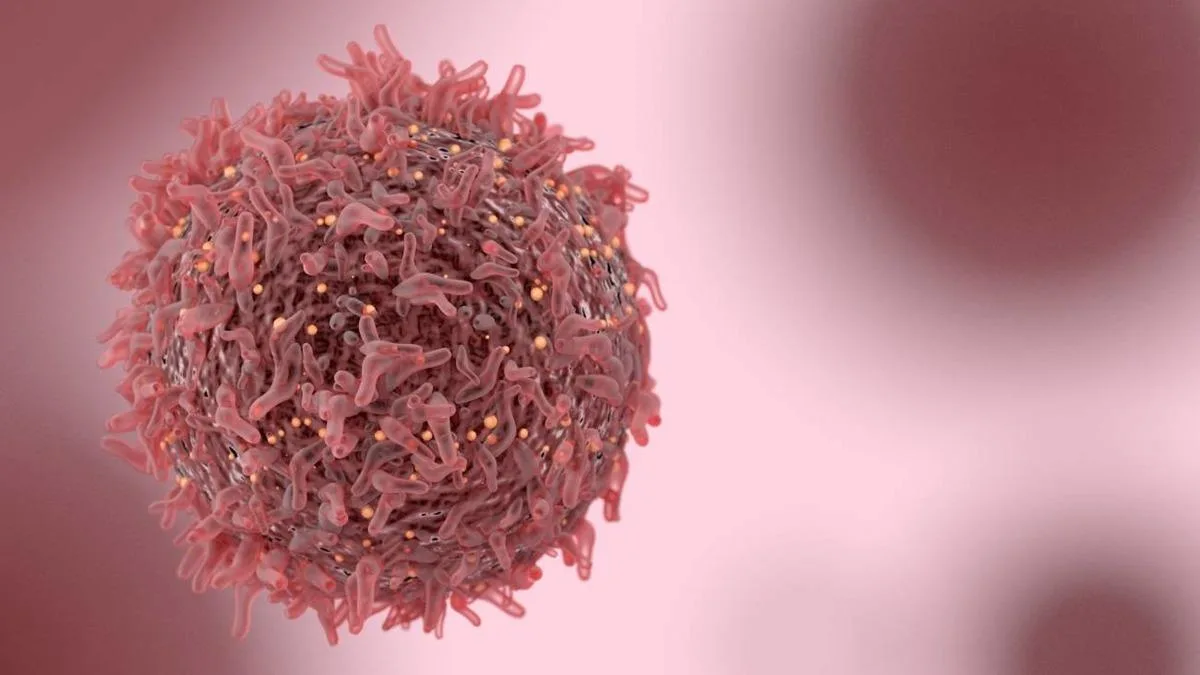
The laboratory's capabilities are not limited to engineering and space; it is also set to play a critical role in medical physics and medicine. Preliminary research is planned at TARLA on radioactive substances used in cancer diagnosis and treatment. Certain radioactive materials help detect tumorous tissue and cancerous cells in the body and target them for destruction.
In this way, research conducted at TARLA is expected to form the foundation for future domestic nuclear medicine applications — that is, technologies for cancer diagnosis and treatment.




Comments (0)
No comments yet. Be the first!