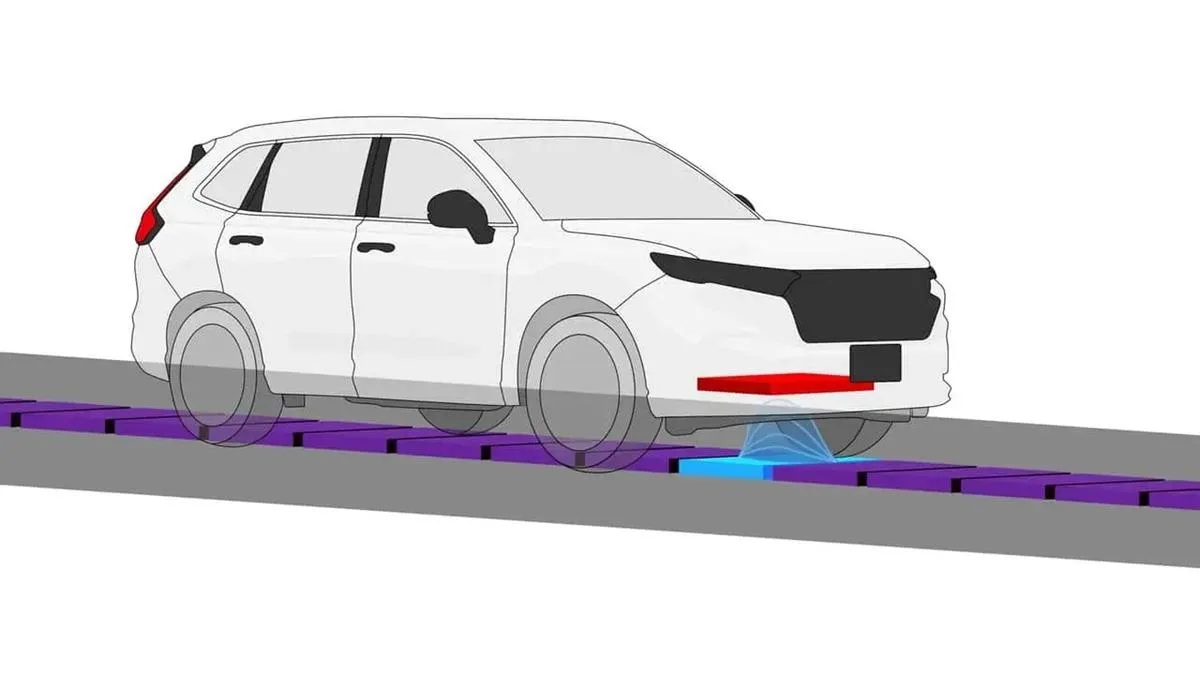

A technology aiming to free EV owners from charging station queues is preparing to move onto public roads in Japan. Honda plans to take its wireless charging infrastructure — where vehicles draw power from the road while driving — out of closed test tracks and onto a real expressway.
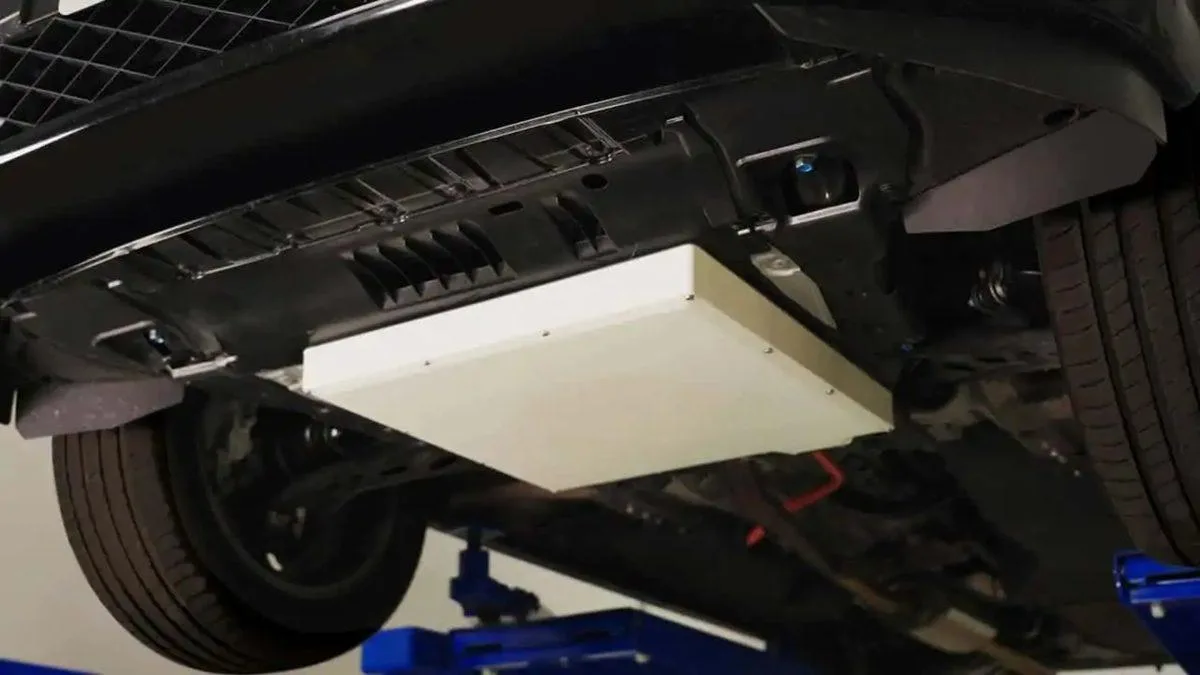
Coils beneath the asphalt deliver the energy
Honda developed the system, named the Dynamic Wireless Charging Road, together with Taisei Corporation and Taisei Rotec. Transmitter coils buried under the asphalt generate a magnetic field; a receiver in the vehicle converts that field back into electrical energy.
The detail that sets the system apart is the first-ever integration of the inverter and coil into a single package. This reduces part count and roadwork, making it easier to integrate into existing roads rather than digging new lanes. Taisei provides a fast-responding DC power system for the coils, while Taisei Rotec has developed construction methods that preserve the durability of the road surface.
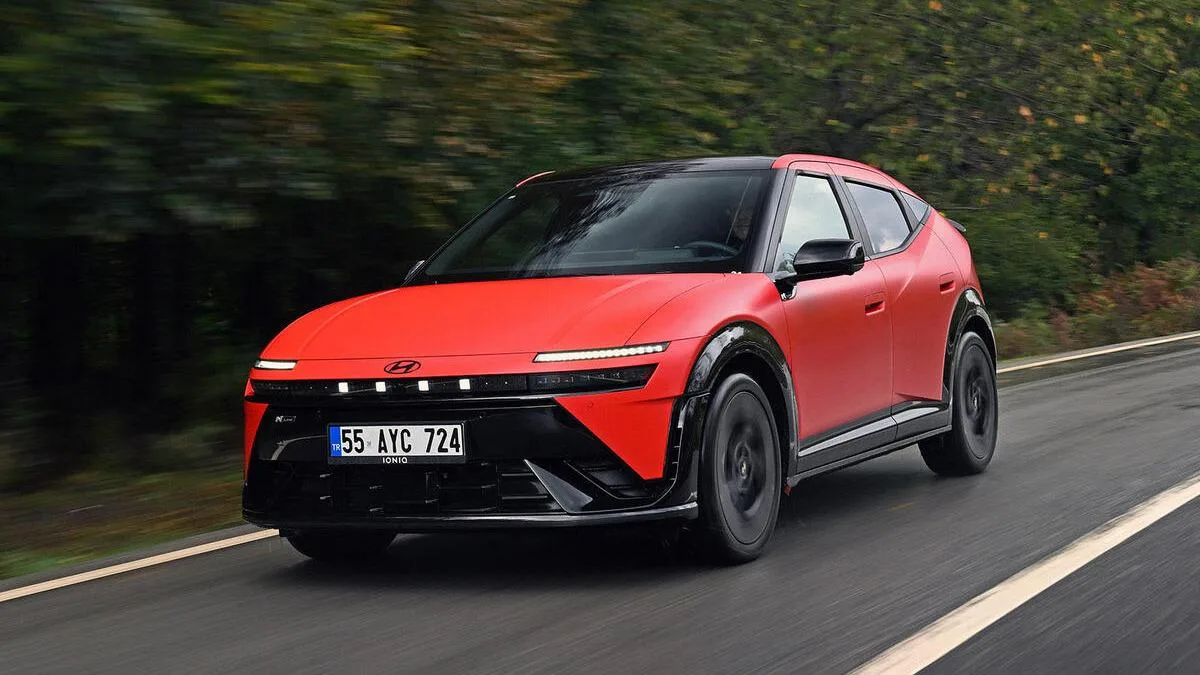
The priority for now is logistics and heavy commercial vehicles. Honda aims to connect future electric SUV models to this network once the system is proven.
Durability testing at the end of 2026
In the first tests in the Satte area, the embedded units proved capable of supporting heavy vehicles weighing around 20 tons. In the second phase, starting at the end of 2026 at Taisei's T-FIELD/TAMURA facility, vehicles will make 1 million passes with a 5-ton load per wheel to simulate years of wear. Engineers will also measure electromagnetic field leakage to verify safety.
Later tests will examine raising power output to 150 kilowatts for large commercial vehicles and charging at highway speeds.
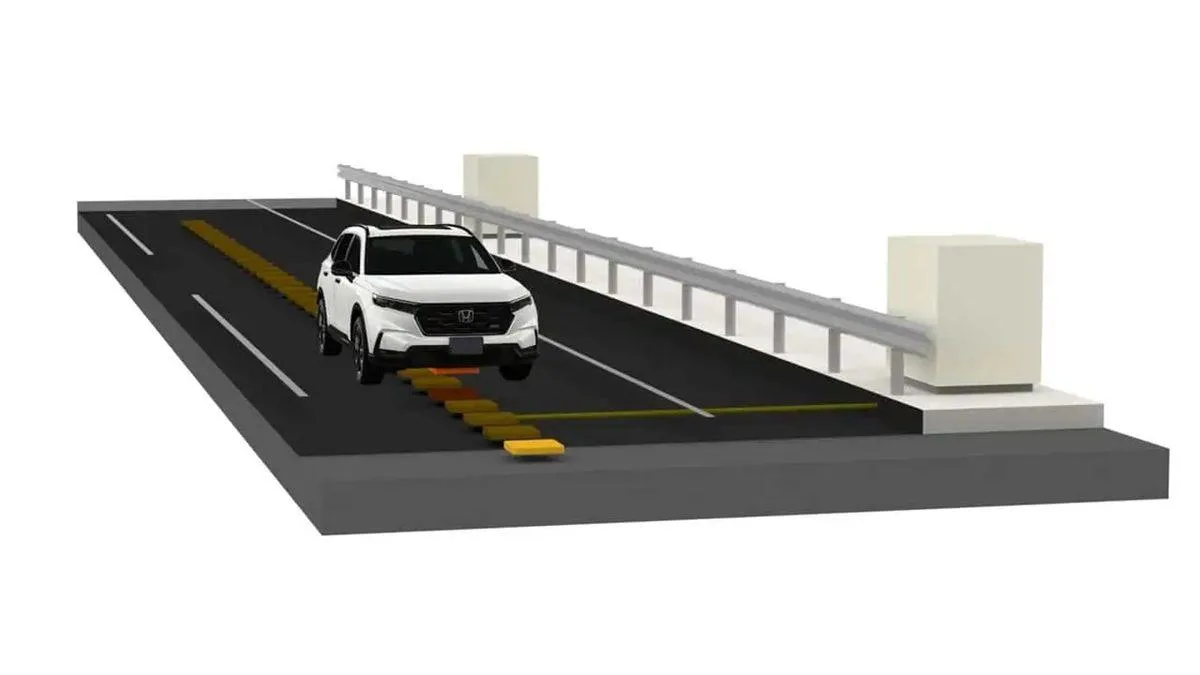
Public highway testing in 2027
If the tests succeed, the project will move to the expressway in fiscal year 2027, which begins April 1, 2027. In partnership with East Nippon Expressway Company (NEXCO East), public testing will take place on a 300-meter section of the E14 Tateyama Expressway in Chiba. A decision on widespread deployment will follow analysis of installation costs and long-term maintenance.



Comments (0)
No comments yet. Be the first!