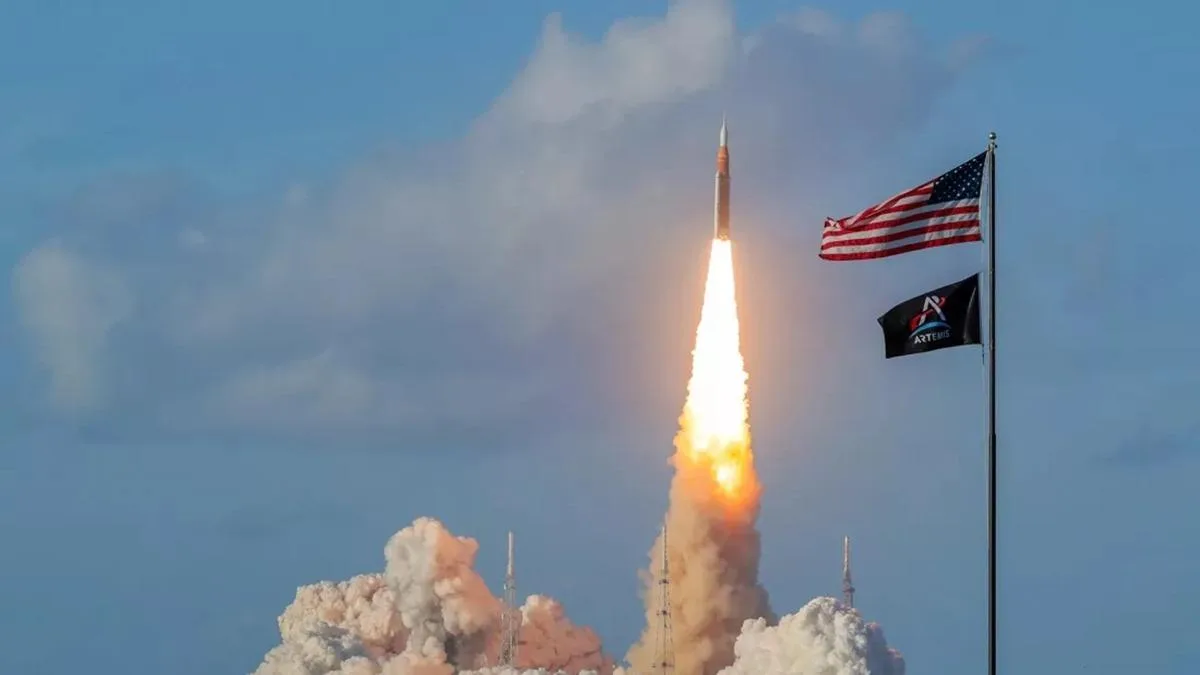

When NASA sent humans back to the Moon for the first time in more than half a century, the milestone came with an unexpected side effect on Earth: the Artemis II launch punched large-scale disturbances into the ionosphere, the outermost ionized layer of our atmosphere.
Measurements taken after the April launch revealed two vast regions in the ionosphere that interfered with the passage of GPS signals.
How did scientists measure the effect?
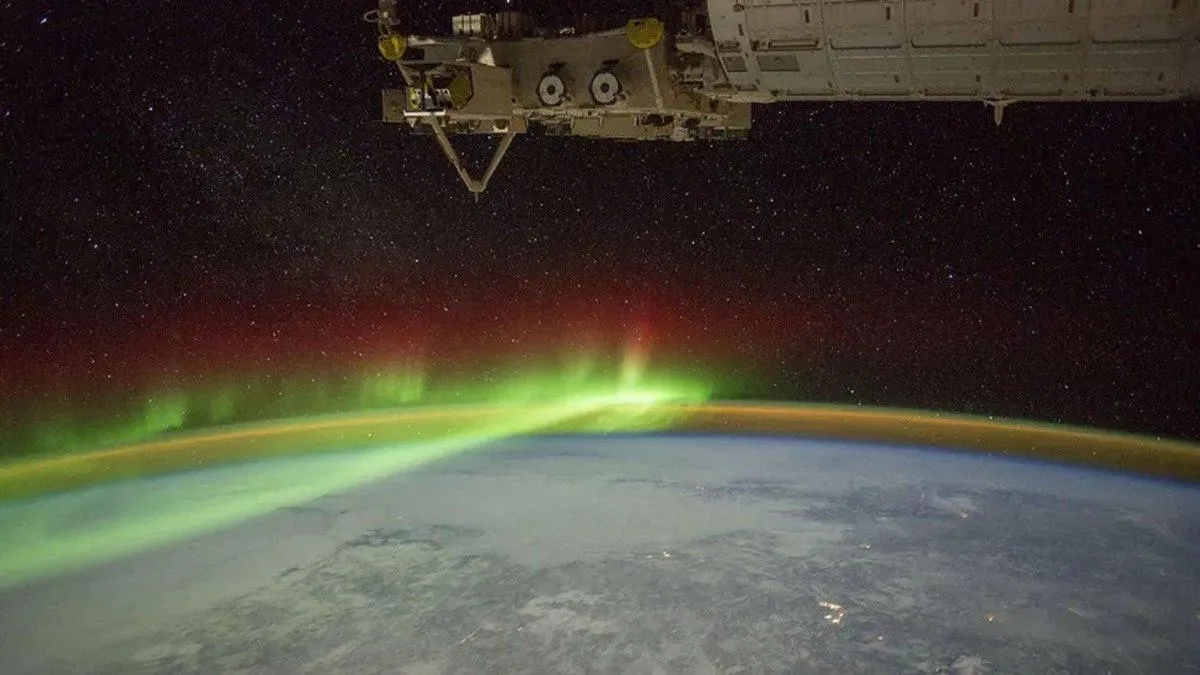
A research team from National Cheng Kung University in Taiwan examined the launch's impact on the atmosphere in a study published in the online preprint of Geophysical Research Letters. For their measurements, the team used a network of highly sensitive ground-based GPS receivers in the United States — the same network normally deployed to track tectonic plate movements in earthquake research.
The ionosphere, which sits between roughly 48 and 965 kilometers in altitude, is a critical layer for radio signals reaching Earth. According to the study, NASA's Space Launch System (SLS) produced a stronger atmospheric effect than any rocket ever launched. The intensity of the disturbance it created was ten times greater than what was recorded during SpaceX's Starship tests.
GPS positions shifted by several meters
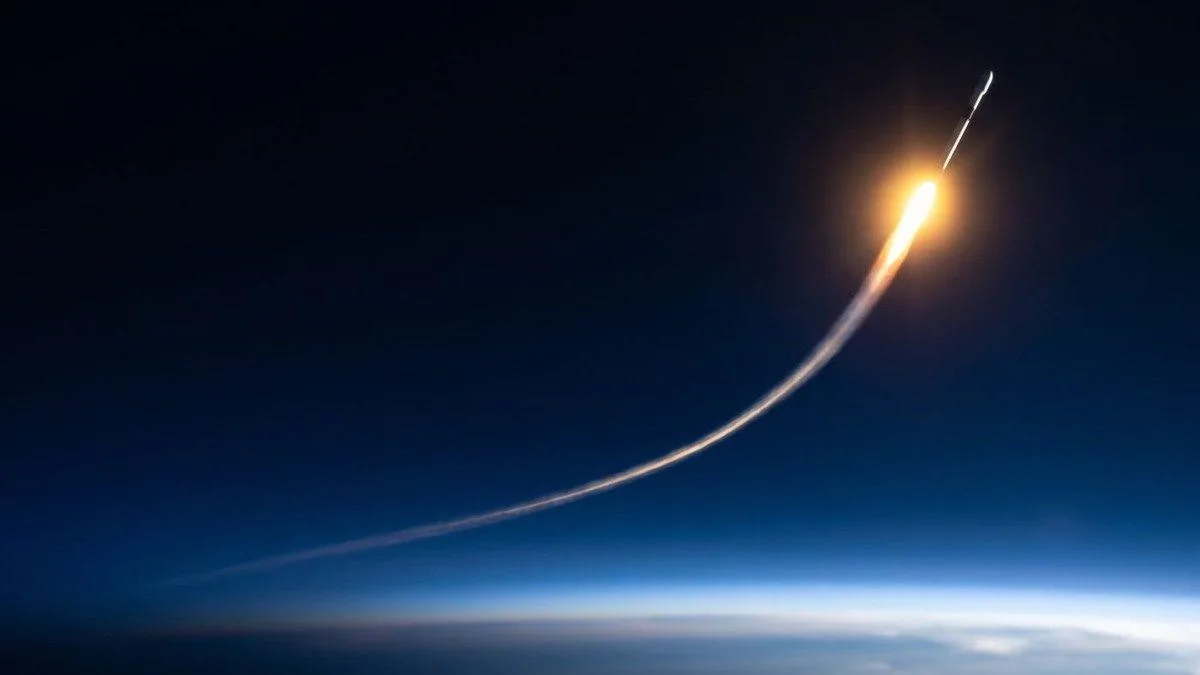
The source of the holes was the rocket itself: the 65-meter core stage created the first electromagnetic disturbance, while two firings of the upper stage produced the second. Each of the two regions was roughly 5,000 kilometers wide, and together they caused GPS to report ground positions offset by several meters.
Why are autonomous vehicles and drones at risk?
Professor Charles Lin, co-author of the study, pointed to the consequences that could ripple into everyday technology. According to Lin, even a positional error of just a few meters could cause an autonomous vehicle to change lanes — a serious hazard for driverless cars and drone navigation.
GPS satellites orbit far above the ionosphere, at an altitude of about 20,200 kilometers, but their signals must pass through all the lower layers of the atmosphere before reaching phones, ground stations and autonomous vehicles.
Professor Lin added that as missions to the lunar surface and Mars multiply, the likelihood of disruptions and outages in GPS services will grow as well.



Comments (0)
No comments yet. Be the first!